Introduction
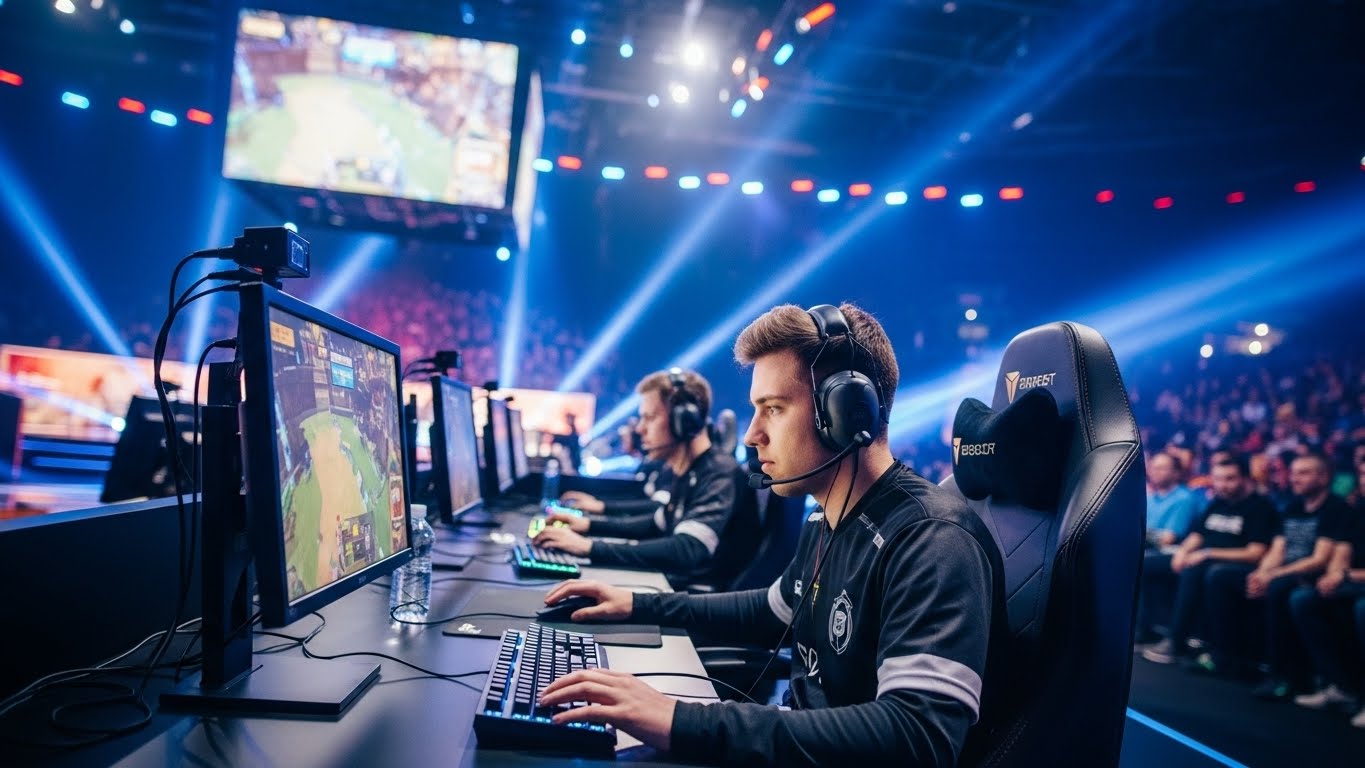
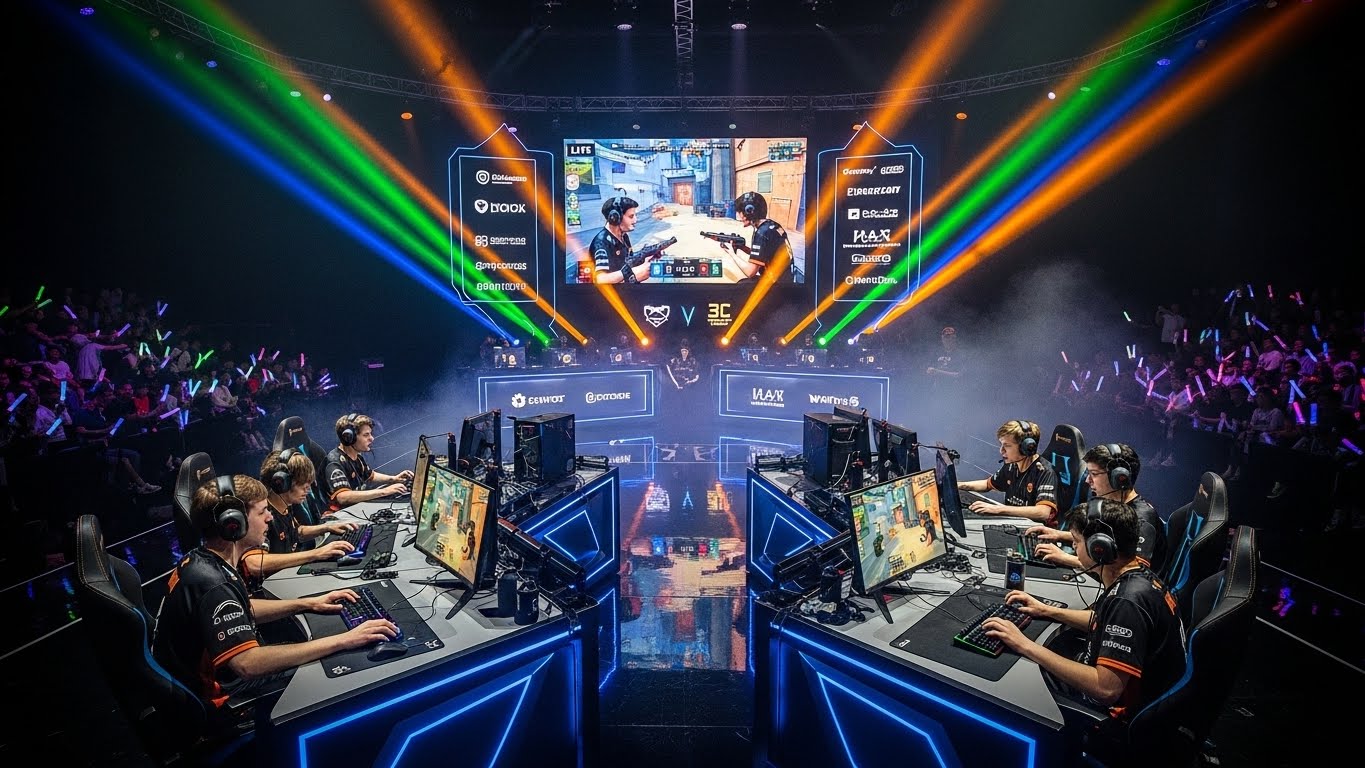
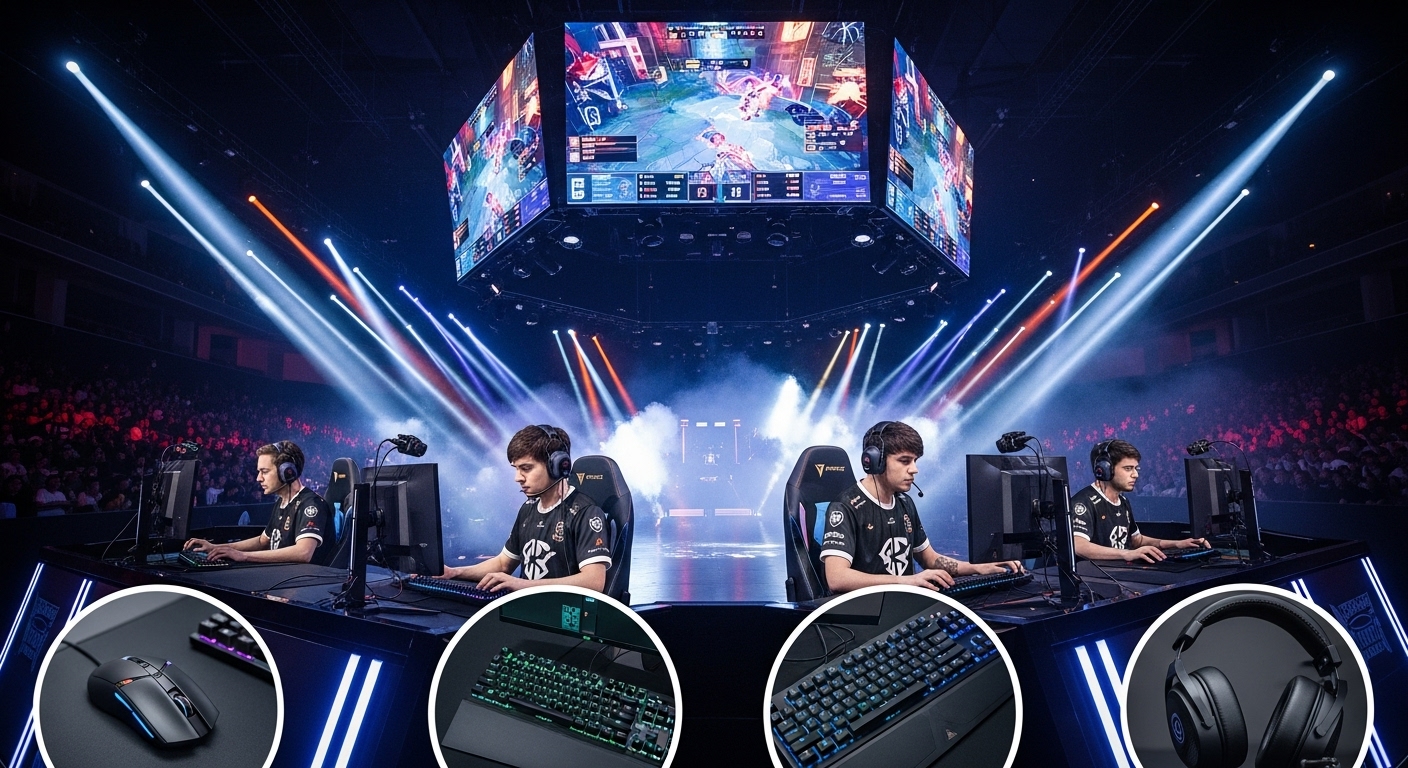
Over the past two decades, the term Esports has evolved from a niche interest into one of the most dynamic and profitable industries in the world. Once considered a pastime of teenagers glued to screens, competitive gaming has now transformed into a legitimate sport — complete with sponsorships, international tournaments, and professional athletes. The journey of Esports is not only a story of entertainment but also one of technology, culture, and global connectivity.
The 21st century has seen gaming transcend its boundaries, transforming living rooms into training grounds, and digital worlds into global arenas. Let’s explore how Esports grew from obscure LAN parties to billion-dollar tournaments watched by millions worldwide.
The Origins of Competitive Gaming
Before Esports became a buzzword, gaming competitions existed in their simplest forms. In the early 1980s, arcades were filled with teenagers competing for high scores on games like Pac-Man and Space Invaders. The first recorded video game tournament was held at Stanford University in 1972 for the game Spacewar!.
Although the prize was merely a year’s subscription to a magazine, the event marked the beginning of competitive gaming culture. It was a symbol of what was to come — the realization that gaming could be more than personal enjoyment; it could be a platform for community, rivalry, and fame.
During the 1990s, as personal computers and home consoles became mainstream, organized competitions started to gain momentum. Titles like Doom, Street Fighter II, and Quake introduced multiplayer features that allowed players to battle head-to-head. The introduction of local area networks (LAN) gave rise to LAN parties, where groups of players connected computers for all-night gaming marathons. These grassroots competitions laid the groundwork for the Esports phenomenon we see today.
The Internet Revolution and Global Connectivity
The late 1990s and early 2000s marked a technological turning point. High-speed internet and digital communication platforms created the infrastructure that Esports needed to thrive.
Multiplayer online games such as StarCraft, Counter-Strike, and Warcraft III became the pillars of the competitive gaming scene. South Korea, in particular, emerged as the world’s first Esports powerhouse. Internet cafés known as “PC bangs” became social hubs where gamers honed their skills. Television channels even began broadcasting professional StarCraft matches, turning players into national celebrities.
This period also saw the birth of online gaming communities and leagues. The ability to compete with anyone, anywhere in the world, erased geographical barriers. What began as friendly rivalry turned into structured tournaments, complete with rules, referees, and cash prizes.
By the mid-2000s, Esports had become a cultural movement.
The Rise of Major Esports Titles
Esports’ success can largely be attributed to the rise of specific game titles that defined entire eras. Each generation of gamers can often be identified by the Esports titles that dominated their time.
StarCraft and the South Korean Dominance
StarCraft: Brood War (1998) played a monumental role in shaping Esports. Its deep strategic gameplay, balance between factions, and competitive community turned it into South Korea’s national pastime. Professional players such as Lim “BoxeR” Yo-Hwan became icons, attracting millions of viewers to televised matches.
Counter-Strike and Tactical Teamplay
Originally a modification for Half-Life, Counter-Strike (1999) revolutionized first-person shooters. Its team-based gameplay emphasized communication, precision, and strategy. Over the years, it evolved into Counter-Strike: Global Offensive (CS:GO), one of the most enduring Esports titles with an unbroken competitive legacy spanning more than two decades.
League of Legends and the MOBA Explosion
Released in 2009, League of Legends (LoL) ushered in a new age for Esports. Developed by Riot Games, it combined accessibility, strategic depth, and a free-to-play model that attracted millions of players. Its annual World Championship now fills stadiums and draws viewership rivaling traditional sports events.
Dota 2 and the International
Valve’s Dota 2 followed shortly after, captivating players with its complexity and massive tournament known as The International. Funded through in-game purchases, the prize pool for this event has reached tens of millions of dollars — making it one of the most lucrative competitions in history.
The Rise of Battle Royale and Mobile Esports
The late 2010s introduced the Battle Royale genre through games like Fortnite, PUBG, and Apex Legends. Meanwhile, the expansion of smartphone technology opened doors to mobile Esports, with titles such as Mobile Legends, Free Fire, and Call of Duty: Mobile dominating in regions like Southeast Asia, India, and Latin America.
Esports as a Career: The Professional Player’s Journey
In the early days, professional gaming was often dismissed as an unsustainable hobby. Today, it is a viable career path with structured contracts, salaries, and endorsement deals. Professional players are signed by organizations, much like athletes in football or basketball.
A top-tier Esports athlete’s daily routine includes hours of training, strategy discussions, team scrims, and fitness or mental coaching. Behind the glamour of flashing lights and roaring crowds lies a life of discipline and immense pressure.
Young players often face short careers due to the mental and physical demands of gaming at an elite level. Reaction times decline, meta changes require constant adaptation, and burnout is a real concern. However, opportunities extend beyond playing — into coaching, analysis, content creation, and broadcasting.
The Infrastructure: Teams, Leagues, and Organizations
Modern Esports operates on a sophisticated ecosystem that mirrors traditional sports leagues. Major organizations such as Team Liquid, Fnatic, T1, and Cloud9 field teams across multiple games.
These organizations not only train and manage players but also handle marketing, sponsorships, and fan engagement. Many are backed by major corporations, investors, and celebrities who recognize Esports as a profitable business venture.
Leagues such as the Overwatch League, Call of Duty League, and League of Legends Championship Series (LCS) have adopted franchise models, where teams pay for permanent slots — much like in professional baseball or basketball. This model provides stability and long-term growth potential.
Streaming and the Power of Platforms
A critical factor behind Esports’ explosion is live streaming. Platforms such as Twitch, YouTube Gaming, and Facebook Gaming have allowed fans to engage directly with players and events.
Unlike traditional sports broadcasts, streaming is interactive. Viewers can chat in real time, support their favorite players, and even learn techniques by watching pros play. This connection has blurred the lines between celebrity and community, allowing fans to feel closer than ever to their gaming idols.
Streamers have also helped bridge the gap between casual gaming and Esports, creating a culture where anyone can aspire to go pro. Some of the most famous Esports players began their careers as streamers before joining professional teams.
The Economics of Esports
The Esports industry is now worth billions of dollars, with revenue coming from multiple streams — sponsorships, advertising, ticket sales, media rights, and in-game purchases.
Brands from outside the gaming world — including car manufacturers, food companies, and apparel brands — have invested heavily in Esports. Sponsorships are no longer limited to gaming peripherals; they include global corporations that recognize Esports’ marketing power among younger audiences.
Prize pools have grown dramatically as well. For instance, The International 2019 boasted a total prize pool of over $34 million. But beyond direct competition, the real money lies in media rights and brand deals. Streaming platforms pay to host exclusive events, while organizations monetize fan engagement through merchandise and content.
The Cultural Impact of Esports
Esports is more than just gaming — it’s a cultural movement that reflects the digital age. It has reshaped how people socialize, communicate, and even define success.
In countries like South Korea and China, Esports players are viewed with the same admiration as pop stars. Stadiums fill with cheering fans, and national pride is often tied to team performance in international tournaments.
Esports also promotes inclusivity and global participation. Unlike traditional sports that may require physical stature or specific environments, anyone with access to a computer or phone can compete. The digital nature of Esports breaks down barriers of geography, gender, and socioeconomic background.
The Role of Technology in Esports Growth
Esports owes its existence to technological advancement. From faster processors to high-refresh-rate monitors, every leap in hardware has elevated gameplay and spectator experience.
High-speed internet allows players to compete globally with minimal latency. Virtual reality and augmented reality are opening new dimensions of immersion. Artificial intelligence is being used to analyze player behavior and develop advanced training tools.
Meanwhile, game developers have begun designing titles specifically for competitive play. Balanced mechanics, spectator modes, and tournament infrastructure are now considered essential elements of new game releases.
Education and Esports: A New Frontier
Esports has also made its way into education. Universities across North America, Europe, and Asia now offer scholarships for talented players. Collegiate Esports programs encourage teamwork, leadership, and strategic thinking — all skills transferable to real-world careers.
Additionally, courses in Esports management, marketing, and event production are preparing a new generation of professionals to support the industry. The fusion of academics and gaming demonstrates that Esports is no longer a fringe activity but a legitimate field of study and employment.
Challenges Facing the Esports Industry
Despite its rapid growth, Esports faces several challenges that must be addressed to ensure its sustainability.
Player Welfare and Mental Health
Intense competition, irregular schedules, and online scrutiny can take a toll on players’ mental health. Esports organizations are increasingly investing in psychological support and lifestyle coaching to prevent burnout.
Cheating and Integrity Issues
Just like traditional sports, Esports must battle issues such as cheating, match-fixing, and performance-enhancing software. Maintaining fair play through robust anti-cheat systems and regulatory oversight is vital for credibility.
Gender Representation
While Esports is theoretically open to all, women remain underrepresented in professional gaming. Initiatives to promote inclusivity and create safe environments are gaining momentum, but true equality remains a work in progress.
Financial Stability
Many Esports organizations struggle with profitability. While top teams earn millions, smaller ones often rely heavily on sponsorships. Finding sustainable business models that balance investment with return is crucial for long-term success.
The COVID-19 Pandemic and Its Impact
The global pandemic of 2020 was a pivotal moment for Esports. As physical sports leagues were suspended, Esports filled the entertainment vacuum. Online tournaments surged, and viewership numbers reached record highs.
While traditional events suffered from the lack of live audiences, the digital nature of Esports allowed it to thrive. The crisis accelerated the industry’s acceptance as a mainstream form of entertainment and validated its resilience against real-world disruptions.
The Future of Esports
The future of Esports looks brighter than ever. Technological innovation, expanding global audiences, and increasing mainstream recognition will continue to push boundaries.
We can expect to see virtual and augmented reality tournaments, integration of blockchain for transparent prize distribution, and the rise of AI-driven analytics to improve player performance. The next generation of games will be built with Esports in mind, emphasizing competitive balance and broadcast-friendly design.
Moreover, as younger generations grow up with Esports as a norm, the line between traditional sports and competitive gaming will blur even further. It is entirely possible that one day Esports could be part of the Olympic Games — a symbolic recognition of its global importance.
Esports and Society: Beyond Entertainment
Esports is not just a spectacle; it is also a social phenomenon that influences education, careers, and technology. It encourages teamwork, problem-solving, and creativity. Many players develop technical skills such as programming, content creation, and digital marketing through their involvement in gaming communities.
Furthermore, Esports can be a force for good. Charity tournaments raise millions for global causes, while inclusive gaming spaces promote mental health awareness and social integration. The industry demonstrates that digital platforms can unite people across cultures and ideologies under a shared passion.
Conclusion: The Digital Sport of the Modern Era
From humble beginnings in university labs and smoky arcades to packed stadiums and online viewership in the hundreds of millions, Esports has undergone an extraordinary transformation.
It has proven that skill, strategy, and passion know no boundaries. It has redefined entertainment, reshaped careers, and inspired a new generation of dreamers who see gaming not as a waste of time, but as a path to achievement.
As technology continues to advance and society grows ever more digital, Esports stands as a testament to human creativity and competition. The next chapter of its story will not just be about the games we play but about the worlds we build — together, across screens and continents.