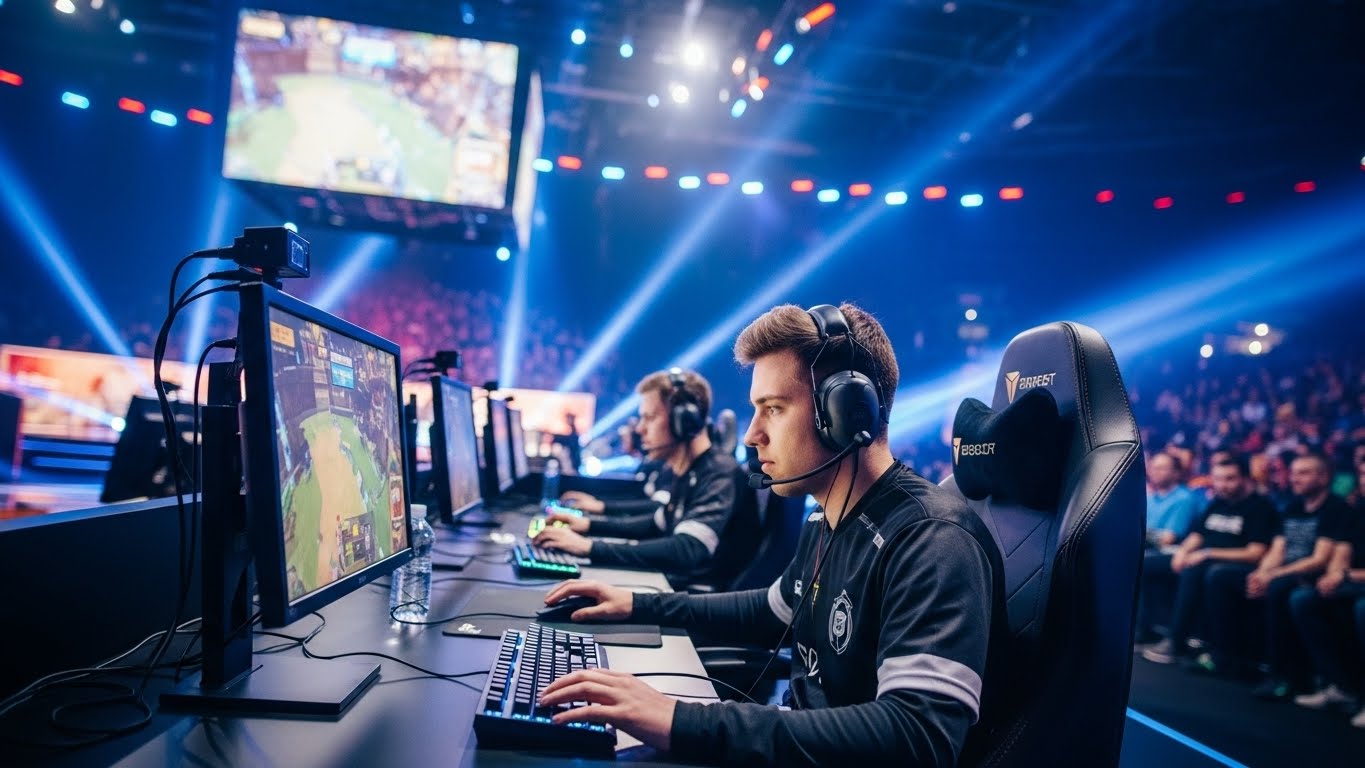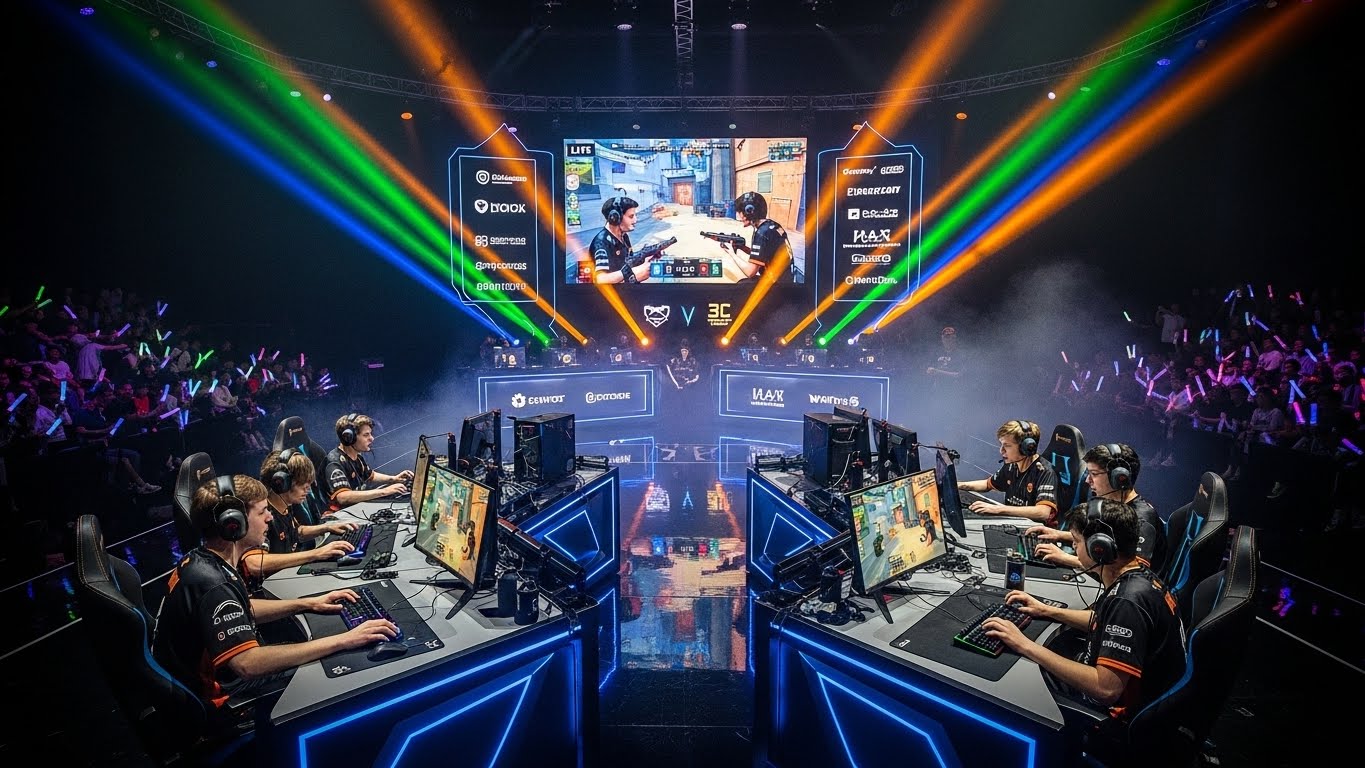
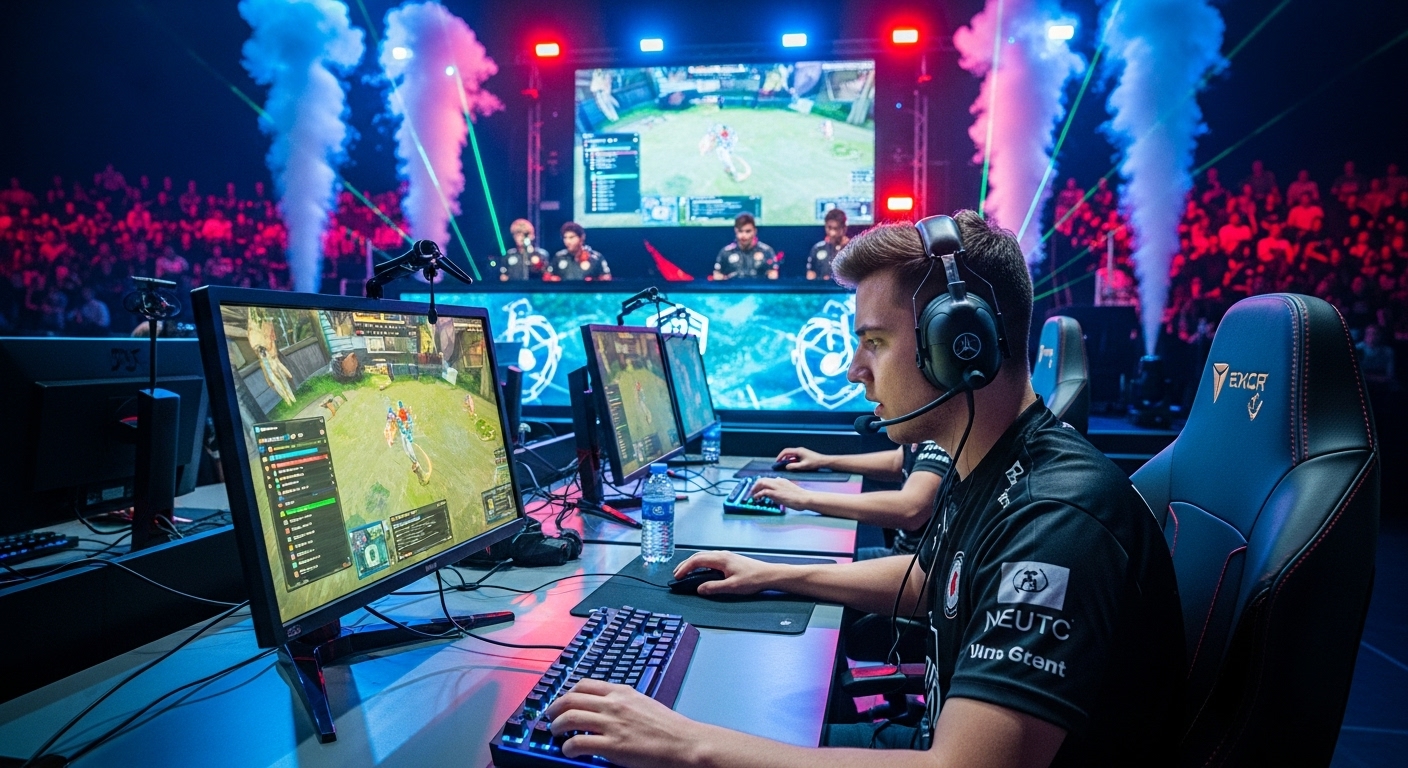
Esports, or electronic sports, has evolved into a global cultural phenomenon, attracting millions of fans, players, and investors. What started as casual gaming among friends has transformed into a multi-billion-dollar industry with professional athletes, international competitions, and an ever-growing fan base. Esports represents the confluence of technology, competition, and entertainment, combining traditional sports’ elements with the digital world’s boundless opportunities. This post explores the rise of esports, its impact on global entertainment, the business of esports, and what the future holds for this digital powerhouse.
The Evolution of Esports: From Casual Play to Professional Competitions
Esports didn’t appear overnight. The roots of competitive gaming can be traced back to the early 1970s when arcade games like Space Invaders introduced the concept of competition within gaming. Players sought high scores, competing against one another on leaderboard rankings. As technology advanced, so did the scope of gaming, with personal computers and the internet paving the way for online multiplayer experiences.
In the 1990s, games like Quake and Warcraft ushered in the concept of multiplayer online gaming. Competitive matches between players became more widespread, forming the earliest organized tournaments. The Cyberathlete Professional League (CPL), founded in 1997, was one of the first major efforts to establish professional gaming tournaments, offering cash prizes and attracting players from around the world. As the internet improved and broadband became more accessible, the potential for competitive gaming grew.
Fast forward to the 2000s, and with the advent of streaming platforms like Twitch, esports began to attract a global audience. The ability for players to live stream their games and engage with viewers directly has allowed esports to become more accessible and interactive, transforming it into a form of entertainment that rivals traditional sports in both viewership and engagement.
The Core Games Defining Esports Today
One of the key factors driving the rise of esports is the appeal and variety of competitive games. Whether it’s a tactical first-person shooter (FPS), a multiplayer online battle arena (MOBA), or a real-time strategy game (RTS), the esports world is filled with games that appeal to different playstyles and audiences.
League of Legends: One of the most popular and influential esports titles is League of Legends (LoL), a fast-paced MOBA developed by Riot Games. Since its release in 2009, LoL has grown into one of the most-watched competitive games in the world. The League of Legends World Championship attracts millions of viewers annually and offers millions of dollars in prize money. The game’s success can be attributed to its deep strategic gameplay, ever-evolving meta, and strong community of players and fans.
Dota 2: Another major title in the esports landscape is Dota 2, a game developed by Valve Corporation. Known for its complexity and strategic depth, Dota 2 has become a cornerstone of competitive gaming. The International, Dota 2’s flagship tournament, boasts one of the largest prize pools in esports history, funded through a system that allows fans to contribute directly to the prize pool.
Counter-Strike: Global Offensive (CS:GO): A tactical first-person shooter, Counter-Strike: Global Offensive (CS:GO) has maintained its place as a cornerstone of esports for over a decade. The game’s skill-based mechanics, team strategy, and precision shooting make it a thrilling watch for fans and an intense challenge for players. The CS:GO Major Championships regularly attract millions of viewers worldwide, showcasing the game’s enduring appeal.
Fortnite and Battle Royale Games: Titles like Fortnite and Apex Legends have taken the esports world by storm with the introduction of the battle royale genre. These games, where players compete to be the last one standing in a shrinking arena, have become hugely popular, attracting both casual gamers and competitive players alike. Fortnite has especially made waves by integrating live events with celebrity collaborations, offering a dynamic, ever-changing environment for players.
The Business Side of Esports: From Sponsorships to Broadcast Deals
Esports has evolved beyond just the games themselves. It has become a business ecosystem involving sponsorships, media rights, advertising, merchandise sales, and streaming platforms. The commercial side of esports is one of the major drivers of its growth, as global brands seek to tap into the lucrative market of young, tech-savvy consumers.
Sponsorships: Esports organizations and tournaments rely heavily on sponsorships from major companies, including tech giants like Intel, Nvidia, and Red Bull, along with companies in the apparel, beverage, and automotive industries. These sponsors not only provide financial backing but also promote their brands to a highly engaged, global audience.
Broadcasting and Streaming: The rise of streaming platforms like Twitch and YouTube Gaming has been central to the growth of esports. These platforms allow fans to watch live streams of tournaments, follow their favorite players, and even interact in real-time via chats. Sponsorship deals with these platforms are highly profitable, and the sheer volume of viewership makes esports broadcasts an appealing venture for advertisers. Major esports tournaments like The International and League of Legends Worlds have broadcast deals that rival traditional sports events in terms of viewership numbers.
Prize Pools and Monetization: Esports tournaments are known for their impressive prize pools, with some events offering millions of dollars in rewards. For example, the Dota 2 International regularly features prize pools that reach over $30 million, with contributions from the gaming community itself. As esports grows, monetization strategies like crowdfunding and paid viewership access will continue to evolve, creating new revenue opportunities for organizations and event organizers.
The Role of Esports Organizations and Teams
The rise of professional esports teams has played a significant role in the development of the industry. Esports organizations such as Cloud9, Team Liquid, Fnatic, and T1 have become household names in the gaming world. These organizations recruit top players, sign sponsorship deals, and compete in the world’s biggest tournaments, creating their own brands and fanbases.
Just like traditional sports teams, esports organizations often include coaches, analysts, and support staff to help players improve their performance. Coaches are essential in analyzing gameplay, creating strategies, and providing mental support. For players, training is just as intense as in traditional sports, with many esports professionals practicing for upwards of 12 hours a day to maintain their competitive edge.
Esports organizations also play an essential role in fan engagement. Teams create content through social media platforms, YouTube videos, and streaming, offering fans a behind-the-scenes look at the life of a professional gamer. This level of access has helped build strong, loyal fanbases, as viewers feel more connected to the players they support.
Esports as a Cultural Phenomenon
Esports is no longer just a hobby or a niche interest—it’s a cultural movement. The rise of competitive gaming has had a profound impact on entertainment, sports, and youth culture. Esports players and streamers have become digital celebrities, with millions of followers on platforms like Twitch and YouTube. Popular figures like Ninja and Shroud have transcended the gaming world to become mainstream celebrities, appearing in commercials, endorsing brands, and even collaborating with musicians and actors.
In addition to influencing pop culture, esports has also become a platform for global community-building. With players, fans, and teams coming from all corners of the world, esports fosters an environment where people can connect, share experiences, and collaborate across borders. The community aspect of esports has created a vibrant, inclusive culture that transcends geographic and cultural differences.
Esports and Education: Bridging the Gap Between Academics and Gaming
As esports continues to grow, it has begun to make its mark in educational institutions as well. Colleges and universities have started offering scholarships and degree programs in esports management, game design, and broadcasting. Esports clubs and teams are also being established at the high school and collegiate levels, allowing young players to pursue competitive gaming while continuing their academic studies.
The rise of esports as an educational opportunity provides students with a pathway into the gaming industry, whether they are players, coaches, analysts, or content creators. Furthermore, some schools are offering esports scholarships, encouraging students to pursue careers in gaming while also providing them with financial support for their education.
The Future of Esports: What Lies Ahead
Looking ahead, the future of esports appears incredibly bright. With continued growth in technology, including virtual reality (VR) and augmented reality (AR), esports could become even more immersive and interactive. The integration of VR and AR could lead to new forms of competitive gaming where players interact in 3D environments, offering new experiences for both players and viewers.
Esports is also likely to expand into new markets, particularly in Asia and South America, where gaming culture is booming. Additionally, as traditional sports leagues begin to invest more heavily in esports, we may see greater cross-pollination between physical sports and esports. The potential for mainstream esports to achieve Olympic recognition, while still uncertain, remains an exciting prospect.
Moreover, esports’ influence on digital culture and gaming will continue to shape the way we consume entertainment, with even more integration of live events, interactive content, and immersive technology.
Conclusion: A New Era of Digital Competition
Esports has firmly established itself as a significant part of global entertainment. With a rapidly growing fan base, lucrative sponsorships, professional leagues, and a massive cultural impact, esports is here to stay. Whether it’s for the thrill of the competition or the joy of being part of a digital community, esports offers something for everyone. As the industry continues to grow, its potential to impact culture, business