Introduction: The Rise of a New Kind of Sport
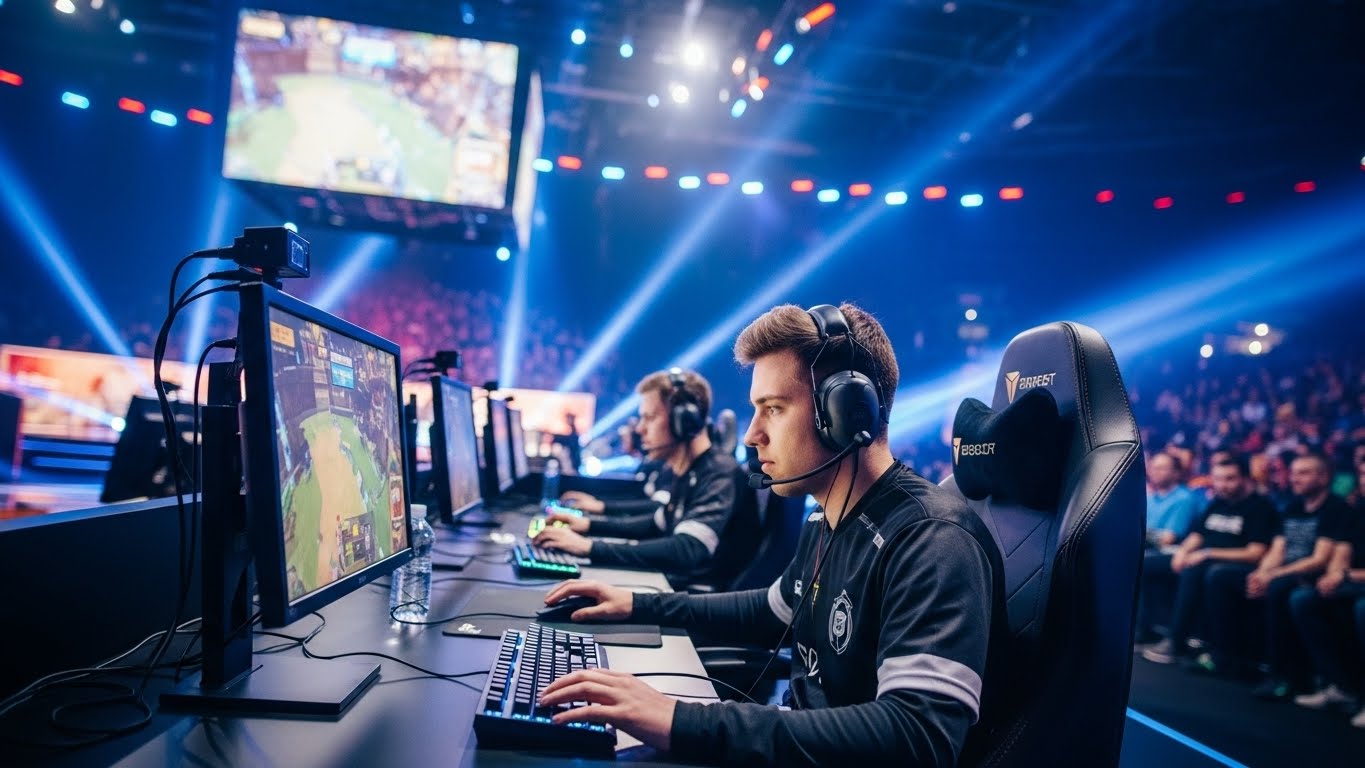
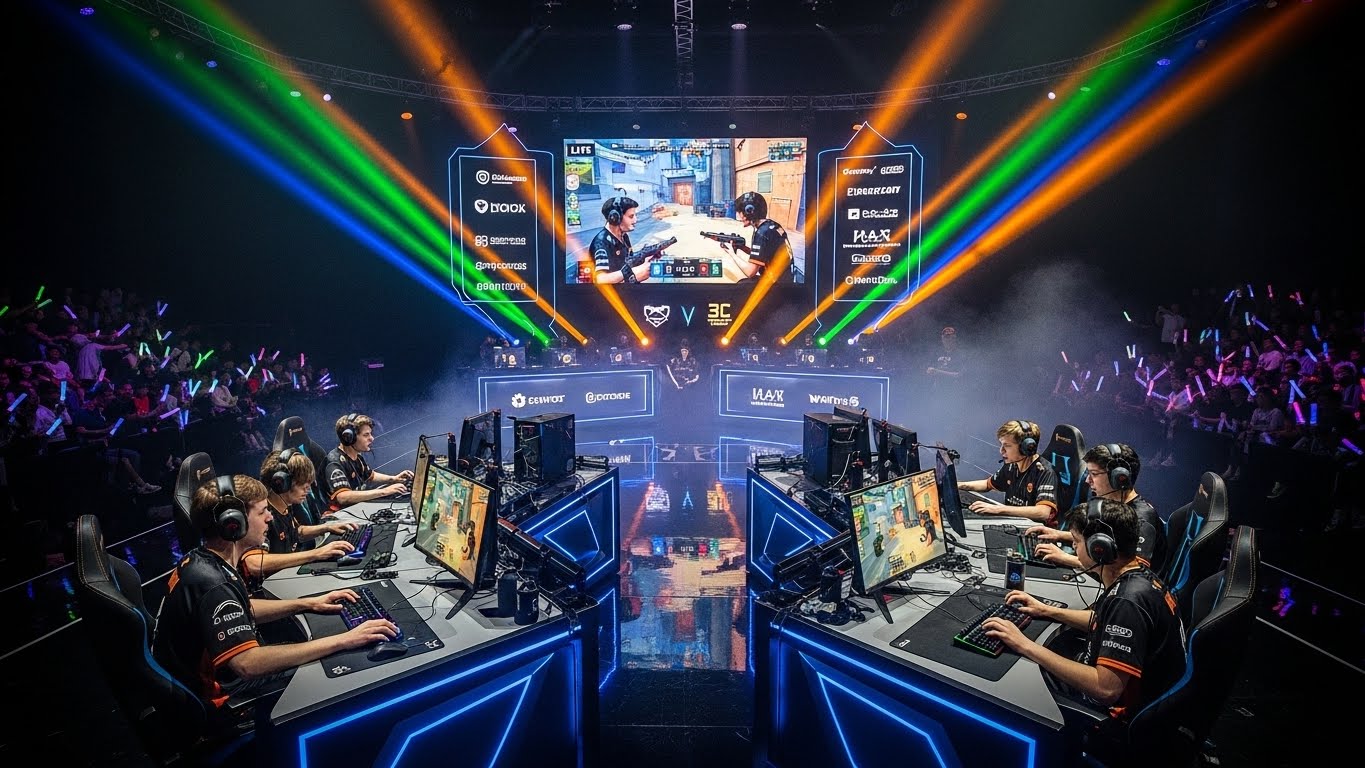
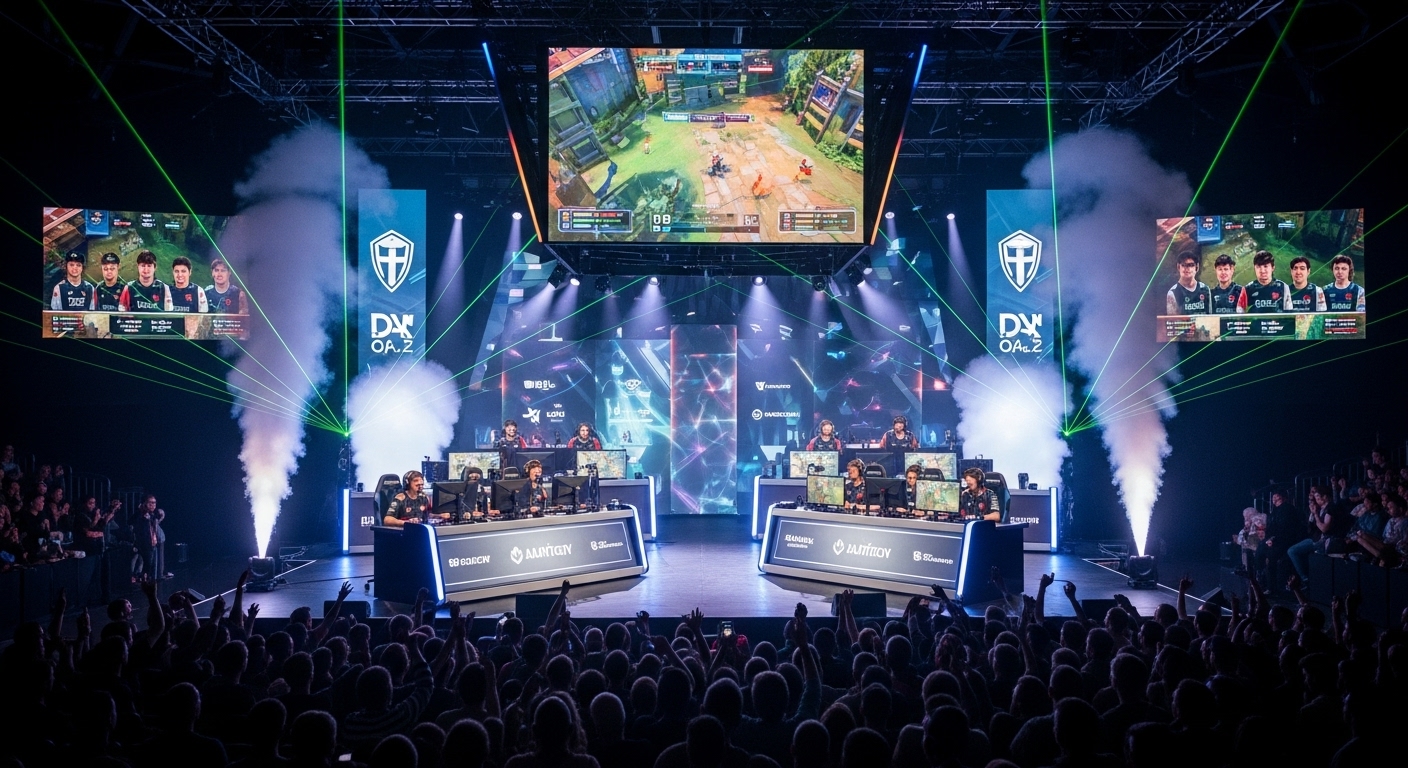
In the past two decades, a revolutionary phenomenon has emerged that has transformed how the world views competition, entertainment, and technology. Esports, short for electronic sports, is no longer a niche hobby or a casual pastime—it has become a multi-billion-dollar global industry. From packed stadiums filled with cheering fans to millions of online viewers streaming tournaments from their homes, esports has achieved a level of cultural and economic significance once reserved for traditional sports. This new digital battleground is shaping the future of not only gaming but also media, business, and education.
The Origins of Esports: From Arcades to Global Arenas
The roots of esports can be traced back to the early 1980s, when video game competitions began appearing in arcades and on early consoles. The first known video game tournament, held at Stanford University in 1972, featured the game “Spacewar!” and offered a magazine subscription as a prize. Over time, gaming evolved from small local contests into massive international tournaments. Titles such as “Street Fighter,” “Quake,” and “StarCraft” became the cornerstones of early competitive gaming. By the 2000s, broadband internet and live streaming platforms allowed esports to reach global audiences, marking the beginning of a new era in competitive entertainment.
The Global Expansion of Esports
Esports is no longer confined to a specific region or demographic. It is a truly global industry that spans continents and cultures. Countries like South Korea, China, the United States, and Sweden have become powerhouses of competitive gaming, producing world-class players and teams. Major tournaments such as The International for “Dota 2,” the League of Legends World Championship, and the Fortnite World Cup attract millions of viewers worldwide. These events rival the audiences of traditional sporting championships, showing that digital competitions can command the same excitement, intensity, and prestige as their physical counterparts.
The Professionalization of Players and Teams
Gone are the days when gamers were considered casual enthusiasts playing for fun. Today’s esports athletes undergo rigorous training, follow strict schedules, and work with coaches, analysts, and nutritionists to maintain peak performance. Teams function like professional sports organizations, complete with contracts, sponsorships, and performance metrics. Players train for hours each day to perfect their strategies, reflexes, and teamwork. The introduction of structured leagues and franchised systems has brought stability and legitimacy to the esports ecosystem, further cementing its place in modern culture.
The Role of Technology in Esports Evolution
Technology has been the driving force behind the rise of esports. High-speed internet, powerful gaming PCs, advanced consoles, and immersive graphics have made competitive gaming more accessible and visually engaging. Live streaming platforms have allowed millions of fans to watch their favorite players in real time, creating a dynamic and interactive spectator experience. Virtual reality and augmented reality are now being integrated into gaming, opening new frontiers for competitive play. The use of data analytics to track player performance and refine strategies is another technological innovation that mirrors the analytical sophistication of professional sports.
The Economic Impact of Esports
Esports is not just entertainment—it is a thriving economic ecosystem. Revenue streams come from sponsorships, advertising, merchandise, ticket sales, and media rights. Major brands, from technology companies to beverage corporations, are investing heavily in esports sponsorships to reach younger audiences. The industry’s global market value has already surpassed several traditional sports, and projections indicate continuous growth. Esports organizations have become multi-million-dollar enterprises, attracting investors, celebrities, and even traditional sports franchises seeking to expand their portfolios into the digital world.
Esports and the Education Sector
The educational world has also recognized the potential of esports. Many universities and schools now offer esports programs, scholarships, and degrees focused on game design, management, and marketing. Esports teaches students valuable skills such as teamwork, strategic thinking, communication, and problem-solving. Some institutions have built state-of-the-art esports arenas and clubs, creating pathways for students to pursue careers in this growing industry. Beyond just playing, students are learning about broadcasting, event organization, and entrepreneurship within the esports ecosystem.
Esports as a Career Path
The career opportunities within esports extend far beyond playing competitively. The industry offers roles in coaching, commentary, event management, marketing, game development, and content creation. Streamers, analysts, and influencers play an essential role in connecting fans to their favorite games and players. With the continuous expansion of esports leagues and organizations, the demand for skilled professionals in logistics, media production, and digital marketing continues to rise. As the industry matures, it has become a sustainable career choice for those passionate about gaming and technology.
The Social and Cultural Influence of Esports
Esports has reshaped how people connect and communicate. It transcends geographical boundaries, bringing together fans from every part of the world through shared enthusiasm. Online platforms and communities have made it possible for gamers to interact, collaborate, and compete on an international scale. Esports events are not just competitions—they are cultural festivals featuring music, fashion, and art inspired by gaming. This cultural integration has made esports a cornerstone of modern youth identity, representing creativity, innovation, and collaboration.
The Psychological Side of Esports Competition
While esports offers fame and fortune, it also brings challenges. The psychological demands on professional players are intense. Pressure to perform, long hours of practice, and the scrutiny of public audiences can lead to stress and burnout. Organizations are now recognizing the importance of mental health support, offering access to psychologists and wellness programs. Managing mental resilience has become as crucial as technical skill in maintaining long-term success. This growing awareness ensures that the esports industry prioritizes the well-being of its athletes as much as their performance.
The Role of Esports in Gender Diversity and Inclusion
Traditionally, gaming has been perceived as a male-dominated field, but esports is gradually becoming more inclusive. Female gamers and professionals are breaking barriers and gaining recognition. Initiatives that promote gender equality and safe gaming environments are helping to reshape community standards. Mixed-gender tournaments and women-only leagues are opening doors for greater participation. As more women enter the esports scene, the industry is moving toward a more diverse and representative future.
Challenges Facing the Esports Industry
Despite its rapid growth, esports faces challenges that must be addressed for sustainable progress. Issues such as player exploitation, inconsistent regulations, and cheating remain concerns. Additionally, the industry must navigate the balance between commercial interests and the integrity of competition. Another key challenge is ensuring fair opportunities for smaller regions and teams that lack financial resources. Establishing global standards for governance, player rights, and competitive fairness will be essential for the industry’s continued credibility and expansion.
Esports and Traditional Sports: A Growing Synergy
Initially, traditional sports organizations viewed esports as competition, but today they see it as an opportunity. Many professional sports franchises have established their own esports divisions, bridging the gap between physical and digital competition. Athletes and gamers often collaborate in promotional events and charity tournaments. Esports and sports share similar elements—discipline, teamwork, strategy, and fan engagement. This synergy demonstrates that both forms of competition can coexist, each enriching the other through shared innovation and entertainment.
The Future of Esports: Beyond the Screen
The future of esports looks boundless. With the continuous advancement of technology, new forms of immersive gaming such as virtual reality tournaments and AI-driven gameplay are on the horizon. The metaverse concept promises a fully integrated virtual environment where fans and players can interact in real time. Esports will also play a major role in shaping future digital economies, social interactions, and entertainment models. As governments and organizations recognize its potential, esports will continue to grow as a mainstream phenomenon influencing global culture and business.
Conclusion: A Revolution in the Making
Esports represents more than just gaming—it is a revolution in how humans compete, communicate, and connect in the digital age. It embodies creativity, innovation, and global collaboration. What started as a small community of passionate gamers has evolved into an international spectacle that rivals traditional sports in popularity and prestige. As technology continues to advance and cultural boundaries blur, esports stands as a testament to the limitless potential of human imagination and determination. The digital arena is no longer a fantasy; it is the new frontier of competition, shaping the future of entertainment for generations to come.