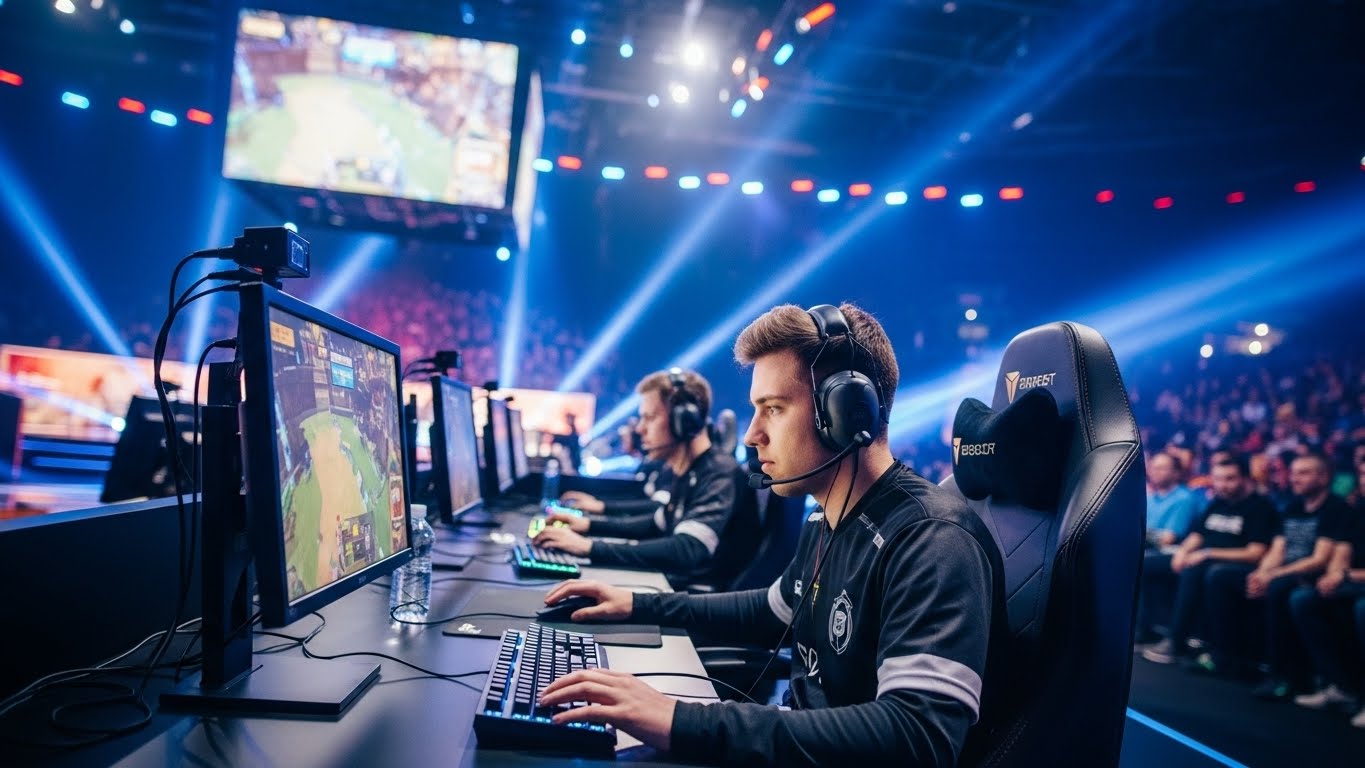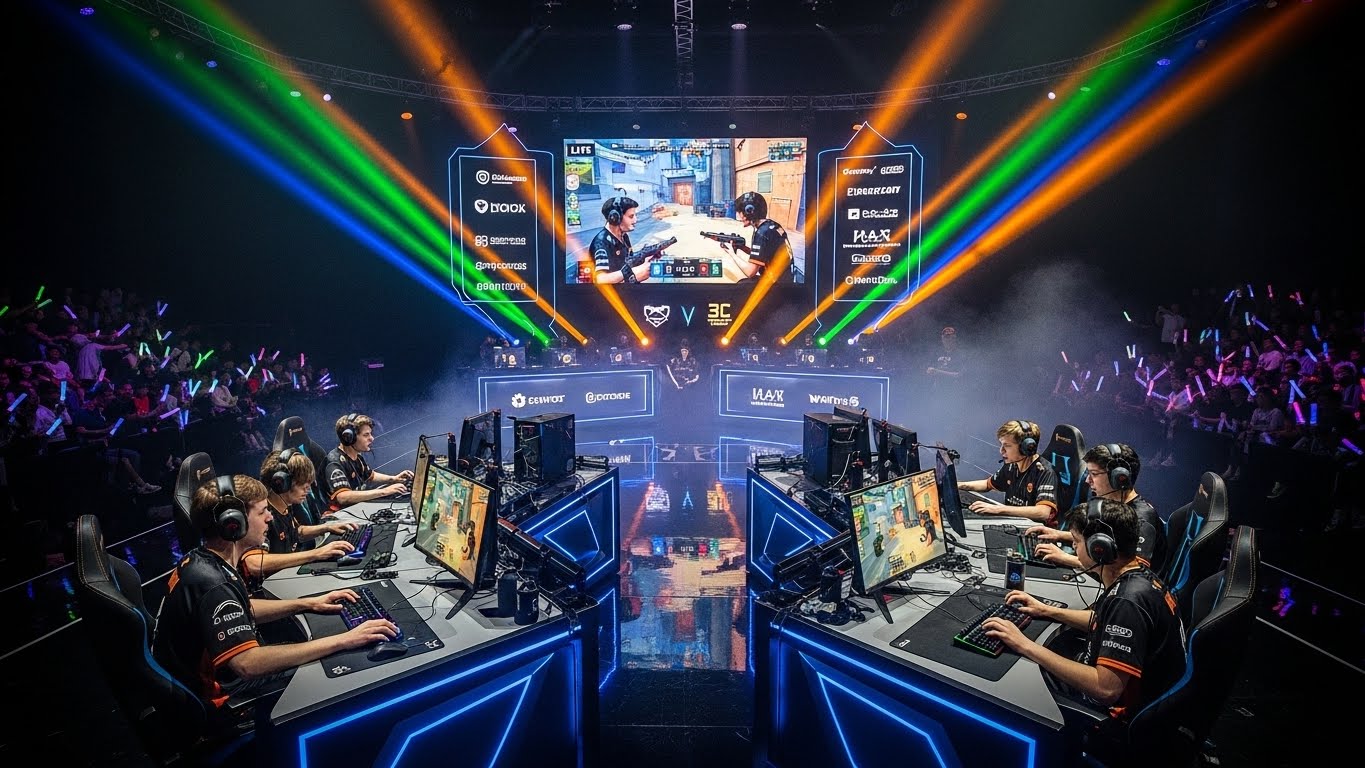
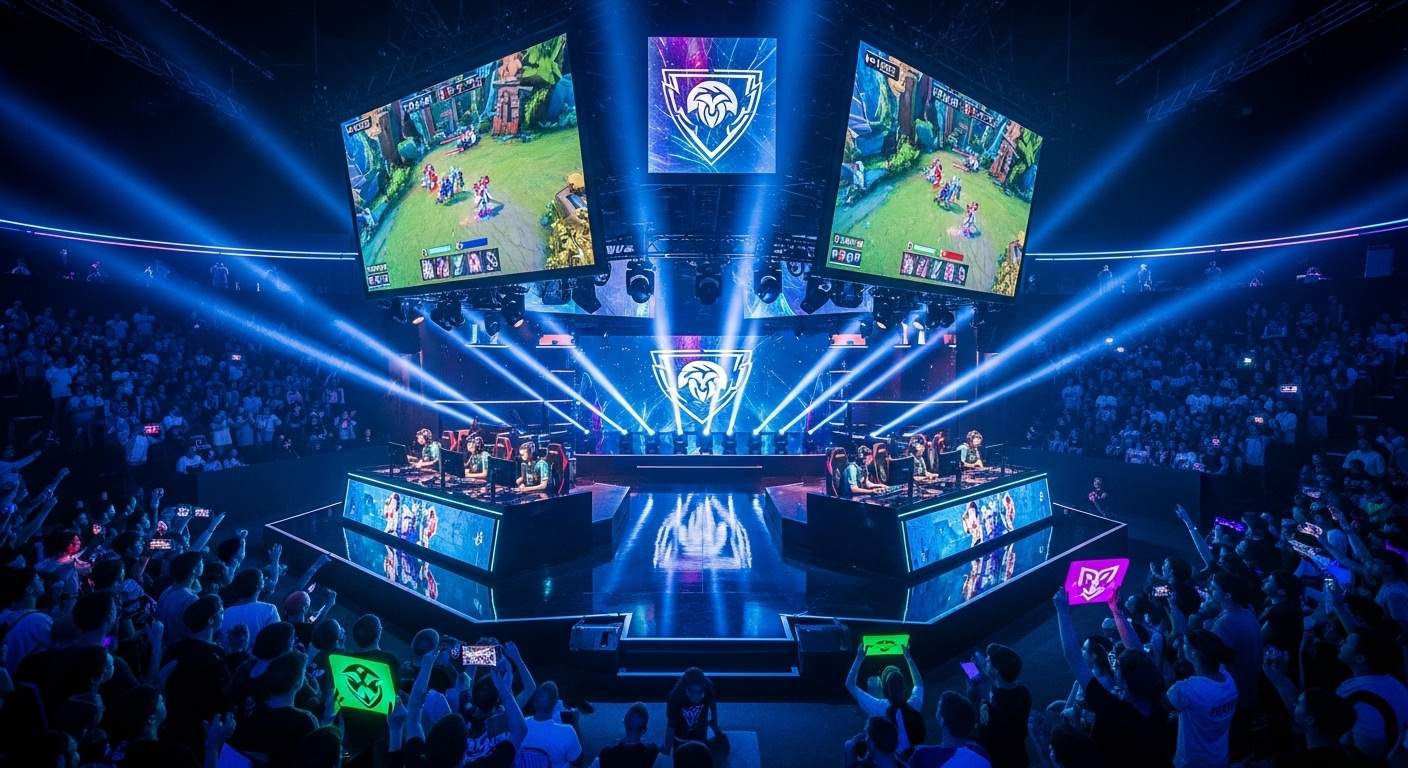
In the past few decades, gaming has transformed from a quiet pastime enjoyed by a few enthusiasts into a worldwide spectacle known as esports. What was once seen as a niche hobby for computer geeks is now a billion-dollar industry drawing millions of viewers, professional players, massive sponsorships, and even academic programs. Esports has become one of the fastest-growing forms of entertainment on the planet, reshaping how we define sports, competition, and community in the digital age.
Understanding Esports
The term esports, short for electronic sports, refers to competitive video gaming at a professional or semi-professional level. Players or teams face off in organized tournaments across various game genres such as real-time strategy, first-person shooters, battle royales, and sports simulations. Unlike casual gaming, esports involves structured competition, official rules, referees, and prize pools that often rival traditional sports events.
While traditional sports rely on physical prowess and athletic conditioning, esports depends on reflexes, strategy, teamwork, and deep game knowledge. Players often train for hours daily to perfect their mechanics, decision-making, and communication with teammates. In essence, esports is not just about pressing buttons; it’s about mastering a complex system of patterns, psychology, and coordination under immense pressure.
The Early Days: Arcade Competitions and LAN Parties
The roots of esports can be traced back to the early days of video gaming in the 1970s and 1980s. The first recognized gaming competition took place in 1972 at Stanford University, where students competed in a game called Spacewar! The winner received a year’s subscription to Rolling Stone magazine, hardly a grand prize compared to today’s multimillion-dollar tournaments.
As arcade machines spread across cities, players began competing for the highest scores in games like Pac-Man, Space Invaders, and Donkey Kong. Leaderboards became the first indicators of gaming prowess. These early competitions sparked the idea that gaming could be more than just recreation — it could be competitive.
The 1990s brought the age of LAN (Local Area Network) parties, where players connected their computers for multiplayer matches in games such as Doom, Quake, and StarCraft. These gatherings were the foundation for modern esports culture, emphasizing community, skill, and technical setup. The first major esports tournament, the Red Annihilation Quake tournament in 1997, awarded the winner with John Carmack’s Ferrari — a sign that gaming had begun to attract serious attention.
The 2000s: Online Play and Global Expansion
The 2000s marked a turning point for esports as internet connectivity became widespread. Online play replaced LAN gatherings, allowing gamers from around the world to compete without geographic limitations. Games like Counter-Strike, Warcraft III, and StarCraft: Brood War gained immense popularity, especially in regions like South Korea, which became the epicenter of competitive gaming.
South Korea’s government-supported infrastructure for high-speed internet created the perfect environment for esports growth. Television channels began broadcasting professional matches, and players like BoxeR and Flash became national icons. The Korean e-Sports Association (KeSPA) formalized professional leagues, player contracts, and sponsorships. It was the first country to treat esports as a legitimate profession.
Meanwhile, in the West, titles such as Halo, Call of Duty, and Counter-Strike were laying the groundwork for competitive scenes. The Cyberathlete Professional League (CPL) and Major League Gaming (MLG) emerged, offering structured tournaments and cash prizes. This decade proved that esports was more than a passing trend — it was an industry finding its identity.
The Streaming Revolution: Twitch, YouTube, and Accessibility
The rise of streaming platforms in the early 2010s, particularly Twitch and YouTube Gaming, changed everything. Previously, only those who attended events or downloaded match recordings could watch esports. Streaming made it possible for anyone with an internet connection to witness live matches, interact with communities, and follow their favorite players.
Twitch became the central hub for esports viewership, allowing players to build personal brands and engage directly with fans. This interaction blurred the line between athlete and audience, making esports an interactive entertainment experience. Millions could tune in to watch tournaments like The International for Dota 2 or the League of Legends World Championship.
Streaming not only democratized access but also created a new generation of influencers. Gamers who excelled at their craft or provided entertaining commentary could amass huge followings. This shift in audience behavior turned esports into a media-driven spectacle comparable to the Super Bowl or the World Cup in terms of excitement and cultural reach.
The Business of Esports
The financial growth of esports has been staggering. In just two decades, the industry has evolved into a multi-billion-dollar ecosystem involving teams, sponsors, developers, advertisers, and media networks. Major companies like Intel, Coca-Cola, and Red Bull have invested heavily in esports sponsorships. Luxury brands and car manufacturers have joined the scene, recognizing the cultural and marketing value of this young, digital audience.
Esports tournaments now fill stadiums, from the Staples Center in Los Angeles to arenas in Shanghai and Berlin. The 2018 League of Legends World Championship drew over 200 million viewers worldwide — surpassing the viewership of the NBA Finals that year. Prize pools continue to soar, with The International 2019 offering over $34 million in rewards, crowdfunded by players purchasing in-game content.
Franchised leagues, similar to traditional sports models, have emerged. Games like Overwatch and Call of Duty have city-based teams, permanent rosters, and season schedules. This structure gives esports legitimacy in the eyes of sponsors and investors while offering stability for players and organizations.
The Players: Dedication, Pressure, and Fame
Behind every highlight reel lies the story of intense discipline and sacrifice. Professional esports players typically train for 8 to 12 hours a day, studying opponents, refining strategies, and maintaining peak performance. Their careers often begin in their teens and peak in their early twenties, as reflex speed and mental agility are crucial.
Despite the glamor of fame and sponsorships, the pressure on players is immense. Burnout, mental health struggles, and short career spans are common challenges. The demand for constant improvement and the stress of performing under global scrutiny make esports as mentally taxing as traditional sports. Teams have begun hiring coaches, psychologists, and fitness trainers to ensure their players’ well-being.
Social media and fan engagement also play a significant role in a player’s life. Esports stars like Faker, s1mple, and TenZ are recognized worldwide and command large online followings. Their personal brands often extend beyond gaming into music, fashion, and lifestyle, reinforcing their influence in pop culture.
Esports and Education
As esports gained legitimacy, educational institutions began recognizing its value. High schools and universities now offer esports programs, scholarships, and degrees in gaming-related fields. These programs focus not only on gameplay but also on broadcasting, event management, and game design.
Collegiate esports leagues have created new pathways for students to compete while pursuing academic goals. For many, esports offers a chance to develop teamwork, leadership, and communication skills. It also serves as a gateway to careers in technology, marketing, and entertainment.
Women in Esports: Breaking Barriers
While esports has historically been male-dominated, women are making significant strides across all levels of competition and leadership. Female gamers and streamers are gaining recognition for their talent, professionalism, and community-building efforts. Tournaments like the VALORANT Game Changers series and initiatives like Women in Games highlight female representation in the industry.
Despite persistent challenges such as sexism and online harassment, the esports community is gradually becoming more inclusive. Many organizations now prioritize diversity and provide safer spaces for all players to compete. The future of esports depends heavily on creating an environment that welcomes every voice and talent.
The Global Scene: Regional Strengths and Cultures
Esports is a global phenomenon, but different regions have unique strengths and preferences. South Korea remains a powerhouse in strategy and team-based games, with infrastructure that supports professional gaming as a respected career. China has emerged as a dominant force, with massive investments in tournaments, training facilities, and streaming platforms.
North America excels in marketing, franchising, and content creation, making it a hub for esports entertainment. Europe has contributed legendary teams and players, particularly in games like Counter-Strike: Global Offensive and Rocket League. Meanwhile, regions like Southeast Asia, Brazil, and the Middle East are rapidly expanding their esports ecosystems with government support and growing fanbases.
Each region adds its own cultural flavor to esports, from the disciplined professionalism of Korean players to the passionate, crowd-driven energy of Latin American fans. This diversity makes esports a truly global sport that transcends language and geography.
The Role of Technology in Esports Evolution
Esports owes much of its growth to advances in technology. High-speed internet, powerful gaming hardware, and streaming infrastructure have made online competition seamless. Cloud gaming, artificial intelligence, and real-time analytics are further enhancing performance and viewer experience.
Virtual Reality (VR) and Augmented Reality (AR) could define the next generation of competitive gaming. Imagine esports tournaments where players physically move within digital arenas or where spectators can view matches in immersive 3D. The integration of blockchain technology also promises to revolutionize player contracts, digital assets, and event ticketing.
Esports and Traditional Sports: Collaboration and Competition
Traditional sports organizations were once skeptical of esports, but attitudes have shifted dramatically. Many major sports clubs, including Manchester City, Paris Saint-Germain, and the Dallas Cowboys, have invested in esports teams. These collaborations bridge fan communities and expand the definition of sports entertainment.
Esports also mirrors traditional sports in its structure — leagues, seasons, team branding, and fan loyalty. Yet, it differs fundamentally in accessibility and pace. Anyone with a computer or console can potentially rise through the ranks, making esports more democratic. The physical demands are replaced by cognitive speed, strategic planning, and digital dexterity.
Challenges Facing the Esports Industry
Despite its meteoric rise, esports faces several challenges. Player burnout, inconsistent revenue models, and the volatility of game popularity can destabilize organizations. Some games fade out of competitive relevance, forcing teams and players to adapt or risk obsolescence.
Regulation is another key issue. Since esports spans multiple countries, there is no unified governing body. Issues such as cheating, match-fixing, and doping require oversight. Additionally, the rapid monetization of esports has led to debates about fair pay, player rights, and ethical sponsorships.
The industry must also address audience fatigue. With so many tournaments and overlapping schedules, maintaining excitement without oversaturation is crucial. Balancing business interests with community integrity will determine the sustainability of esports in the long run.
The Cultural Impact of Esports
Beyond competition, esports has influenced popular culture in profound ways. Music festivals, fashion brands, and film studios collaborate with gaming icons. Game soundtracks and highlight reels inspire digital art and memes that spread across social media. The language of gaming — phrases like “GG,” “meta,” or “nerf” — has entered mainstream conversation.
Esports has also become a space for social interaction and identity. Online communities foster friendships, mentorships, and even professional networking. Gaming has bridged generational gaps, connecting players from different backgrounds through shared passion.
The Future of Esports
Looking ahead, the future of esports appears boundless. As technology evolves, so too will the scale and creativity of competitive gaming. Cross-platform play, mobile esports, and AI-enhanced spectatorship will bring new audiences into the fold. Governments and educational systems will continue to recognize esports as a legitimate cultural and economic force.
In the next decade, we may see esports in the Olympics, new game genres designed specifically for competition, and enhanced fan interactivity through metaverse platforms. Esports will continue to redefine what it means to be an athlete, a fan, and a member of a global digital community.
Conclusion: The Game That Never Ends
Esports is more than a trend; it is a reflection of our digital age — a fusion of technology, art, and competition. It embodies creativity, teamwork, and perseverance. From small LAN parties to global championships, it represents how far human connection can extend through virtual worlds.
As the lines between the physical and digital continue to blur, esports stands as a testament to human adaptability and passion. It reminds us that competition doesn’t need a field or a ball — only skill, spirit, and the will to win. Whether you’re a player, viewer, or casual fan, one thing is clear: the game has only just begun.