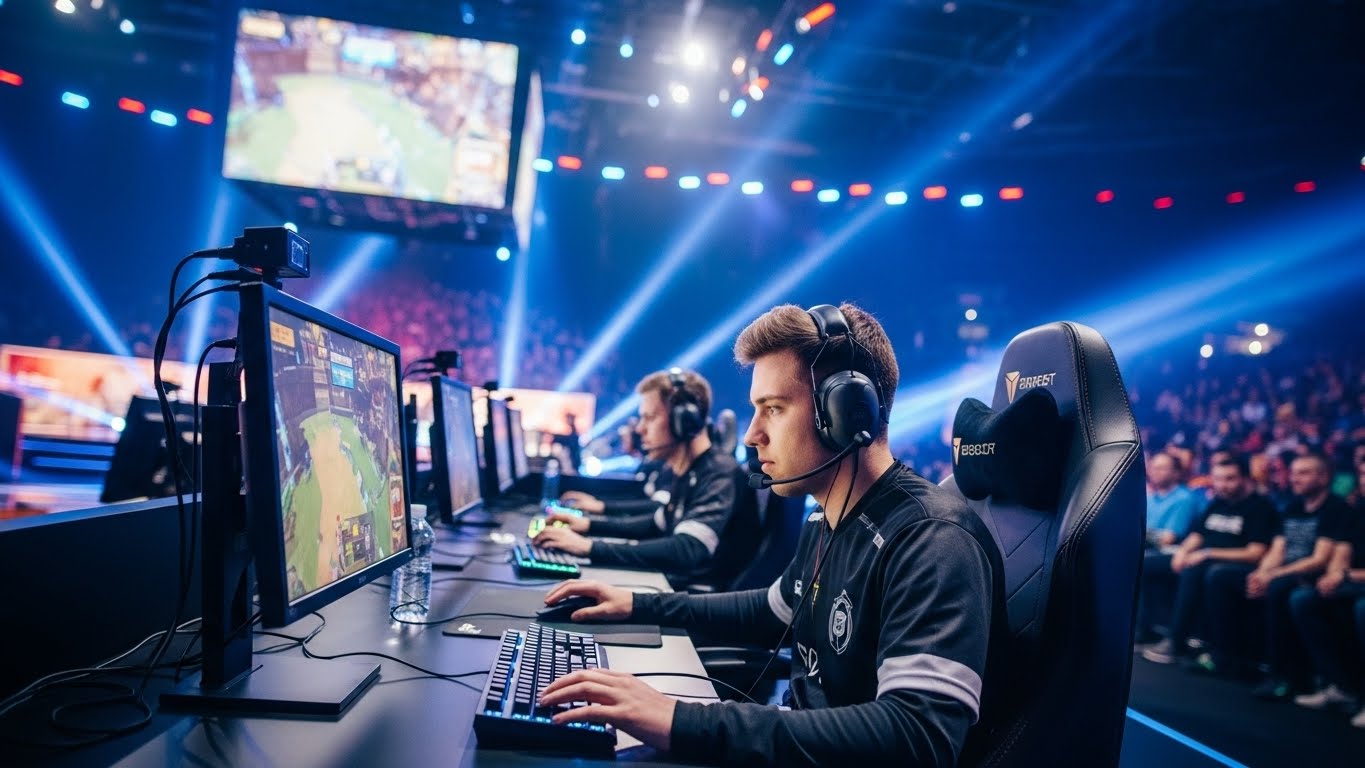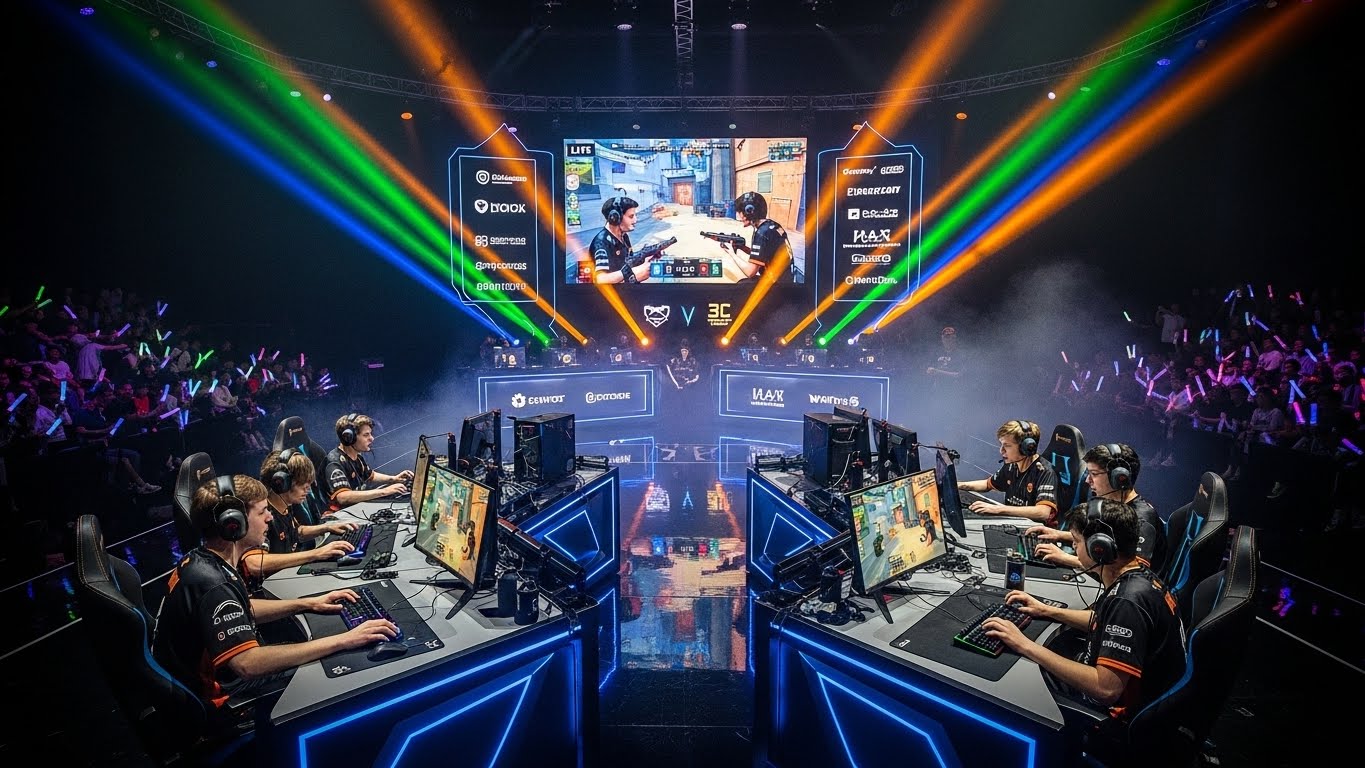
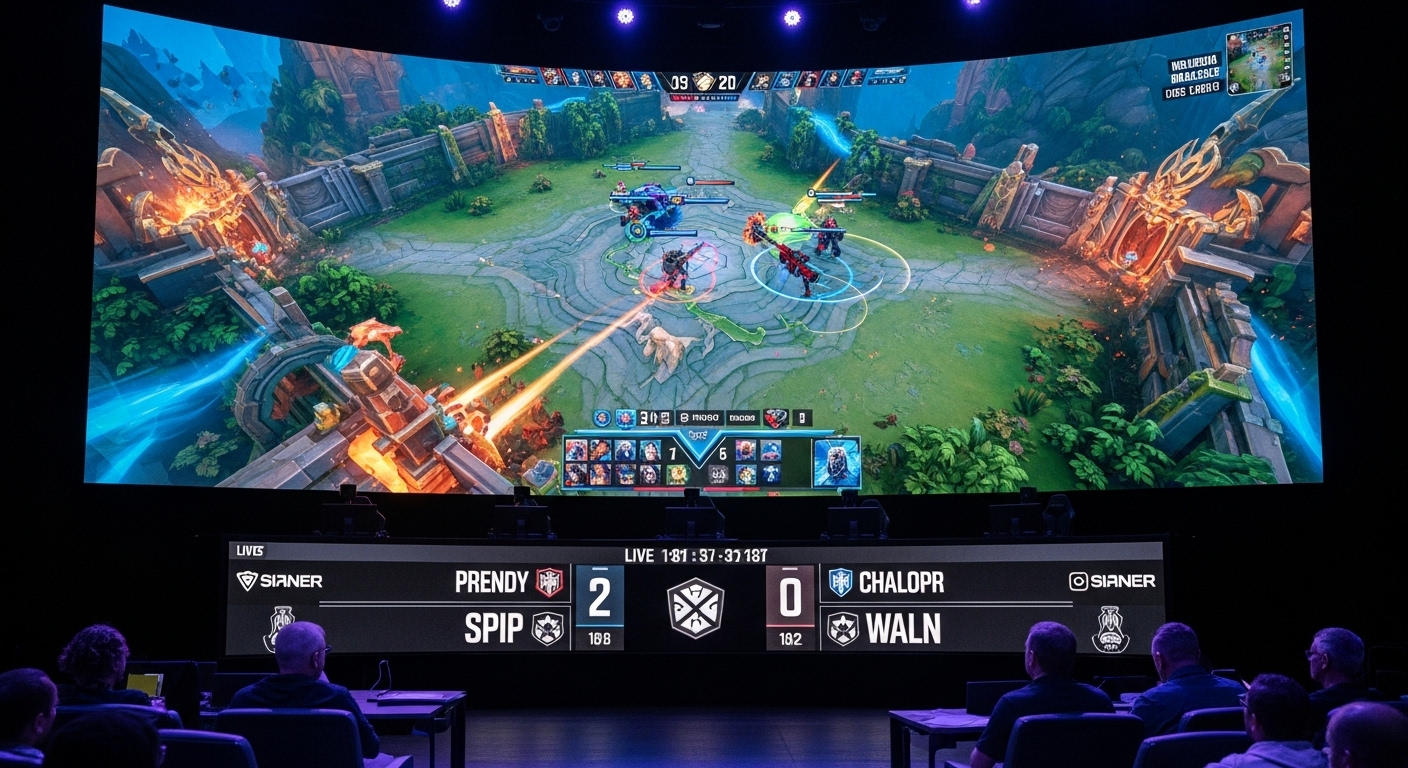
Esports, short for electronic sports, has become one of the most fascinating and rapidly growing industries in modern entertainment. It represents the fusion of technology, skill, competition, and community, all within the digital gaming universe. Once dismissed as a niche hobby, esports has evolved into a global phenomenon that rivals traditional sports in viewership, sponsorship, and influence. With millions of fans, professional players, and enormous tournaments, esports has transcended boundaries and established itself as a legitimate competitive field and cultural movement.
The Origins of Esports
The concept of competitive gaming began long before modern esports arenas and million-dollar prize pools existed. The earliest known video game competition took place in the 1970s, when players gathered to compete in simple games like Space Invaders and Pong. These early tournaments, often held at universities or arcade centers, laid the foundation for what would become a global industry.
As personal computers and gaming consoles became more accessible during the 1980s and 1990s, competitive gaming slowly gained momentum. Titles like Street Fighter II and Mortal Kombat introduced the idea of head-to-head skill-based contests, while PC games like StarCraft and Quake established the early professional scene. Korea, in particular, became a hub for esports during the late 1990s, with televised StarCraft matches drawing millions of viewers. This was the first major step toward transforming gaming into a spectator sport.
The Rise of Online Multiplayer Games
The 2000s marked a turning point for esports due to the expansion of high-speed internet. The rise of online multiplayer games such as Counter-Strike, Warcraft III, and Dota connected players from across the globe. Suddenly, competition was no longer limited to local events—it became international. Online communities formed around these games, fostering both rivalry and camaraderie.
LAN tournaments (Local Area Network) were common during this time, serving as breeding grounds for professional talent. Games like Counter-Strike 1.6 and Halo 2 created professional leagues and sponsorship opportunities, slowly introducing the concept of gaming as a career. The emergence of streaming platforms later amplified this growth, allowing fans to watch their favorite players in real time from anywhere in the world.
The Birth of Modern Esports Titles
Every era of esports has been defined by specific games that shaped its identity. In the late 2000s and early 2010s, titles such as League of Legends, Dota 2, and Call of Duty emerged as central pillars of the scene. These games combined strategic depth with mechanical mastery, offering spectators a thrilling mix of teamwork and individual brilliance.
League of Legends, developed by Riot Games, revolutionized esports with its structured leagues and global tournaments. Its annual World Championship now attracts millions of concurrent viewers, rivaling major sporting events. Dota 2, another major title, became known for its staggering prize pools, particularly through its flagship event, The International, which has awarded tens of millions of dollars in winnings. Similarly, Counter-Strike: Global Offensive has remained a cornerstone of competitive gaming due to its skill-based gameplay and dedicated community.
These games set new standards for production value, player professionalism, and fan engagement. Esports was no longer just about winning matches—it became about storytelling, branding, and building legacies.
The Role of Streaming and Digital Platforms
The rise of live-streaming platforms transformed esports from a niche subculture into a mainstream entertainment form. Platforms like Twitch, YouTube Gaming, and other regional streaming services allowed fans to watch live matches, follow their favorite teams, and interact with players. This direct connection between the audience and the competitors created a vibrant ecosystem unlike any other in sports or entertainment.
Streaming democratized esports. Players no longer needed to rely solely on tournament success to build careers; they could grow their own audiences through consistent content creation. This gave rise to a new type of celebrity—gaming influencers and streamers—who blended competitive prowess with personality-driven entertainment. It also provided sponsors and advertisers new ways to engage audiences, further fueling the economic engine behind esports.
The Professionalization of Esports
The modern esports landscape mirrors traditional sports in many ways. There are teams, coaches, analysts, scouts, and structured leagues. Players follow rigorous training schedules, often practicing eight to twelve hours per day to perfect strategies and mechanics. Organizations provide nutrition plans, mental health support, and physical fitness programs, recognizing that professional gaming requires discipline and balance.
The infrastructure around esports has also grown immensely. Major tournaments are held in massive arenas filled with cheering fans. Production quality rivals that of television broadcasts, featuring commentators, analysts, instant replays, and elaborate stage designs. Sponsorship deals involve major global brands—from tech companies to beverage giants—validating esports as a mainstream industry.
Furthermore, universities and schools have started offering esports scholarships and degrees, recognizing it as a legitimate field of study and competition. This institutional support ensures the sustainability and long-term growth of the industry.
The Global Esports Ecosystem
Esports is not confined to any one region—it is a global phenomenon. Asia, particularly South Korea and China, has long been considered the epicenter of competitive gaming. Korea’s infrastructure, professional training systems, and fan culture have made it a model for other nations. China, with its massive population and government-backed esports initiatives, has become a powerhouse producing world-class teams across multiple titles.
In North America and Europe, esports organizations operate like traditional sports franchises, complete with training facilities, merchandise, and fan bases. Countries in the Middle East and South America have also emerged as key players, investing heavily in gaming infrastructure and talent development. The inclusivity and accessibility of esports allow anyone with a computer or console to compete, regardless of geography.
Cultural Impact of Esports
Beyond competition, esports has become a cultural movement that influences fashion, music, and entertainment. Esports athletes are now recognized as celebrities, collaborating with musicians, fashion brands, and mainstream media. Music festivals, animated series, and documentaries inspired by esports further bridge the gap between gaming and popular culture.
Esports events bring together fans from all walks of life. The shared passion for games fosters a sense of community and identity that transcends borders. Fans wear team jerseys, wave banners, and cheer just as passionately as supporters of traditional sports. This emotional connection between players and fans strengthens the industry’s cultural relevance.
Women and Diversity in Esports
While esports has historically been male-dominated, recent years have seen significant progress in promoting diversity and inclusion. Female players, commentators, and team managers are gaining recognition and opportunities. Organizations and tournaments are actively working to create safer and more inclusive spaces for women and underrepresented groups.
Representation matters in esports, and as more diverse voices and faces appear on stage and behind the scenes, the industry becomes richer and more dynamic. Initiatives promoting equal opportunity, anti-harassment campaigns, and mentorship programs have been instrumental in making esports a more welcoming community for all.
The Business of Esports
Esports is not just about competition; it is a booming business. The global esports industry is valued in billions of dollars, with revenue streams from sponsorships, advertising, ticket sales, merchandise, and media rights. Brands are eager to associate themselves with esports because of its young, tech-savvy, and loyal audience.
Franchise leagues have emerged, similar to traditional sports, where teams buy into long-term slots in competitions. These leagues generate consistent revenue and create sustainable career paths for players. Esports organizations also diversify their income by producing content, managing influencers, and developing their own product lines.
The growing involvement of traditional sports organizations and celebrities—such as football clubs and NBA stars—demonstrates the confidence investors have in esports. As digital entertainment continues to dominate, esports stands as one of the most profitable and innovative sectors.
Technology and Innovation in Esports
Technology is the lifeblood of esports. From high-performance gaming hardware to advanced analytics, technology shapes how players compete and how fans experience the action. Virtual reality, augmented reality, and artificial intelligence are beginning to influence the future of esports training and broadcasting.
High-speed internet and cloud gaming platforms make competitive gaming more accessible to players with modest setups. Advanced software tools analyze player performance in real time, helping teams refine strategies and improve communication. Spectators enjoy dynamic camera angles, real-time statistics, and interactive viewing experiences that make matches more engaging.
Moreover, esports is at the forefront of digital innovation, pushing the boundaries of how humans interact with games and with each other. The metaverse and blockchain technologies are also creating new opportunities for esports, including virtual arenas, digital collectibles, and decentralized tournaments.
Challenges Facing the Esports Industry
Despite its success, esports faces several challenges. Player burnout, mental health issues, and the intense pressure of constant competition are major concerns. Many professional gamers retire at a young age due to the physical and mental demands of the job. Addressing these issues requires better support systems, education, and awareness.
Another challenge is regulation. Since esports is global and fragmented across multiple games and regions, establishing consistent rules and governing bodies is complex. Issues such as cheating, match-fixing, and contractual disputes still occur, and stronger oversight is needed to ensure fairness and integrity.
Additionally, the financial sustainability of smaller tournaments and teams can be uncertain. While top-tier organizations thrive, grassroots scenes often struggle with funding and visibility. Balancing profitability with accessibility remains one of the key hurdles in ensuring the healthy growth of esports.
The Future of Esports
The future of esports is bright, with endless possibilities ahead. As technology continues to advance, so too will the ways people play, watch, and experience games. Mobile esports, for instance, has become a massive trend, particularly in regions like Southeast Asia and South America. Titles such as PUBG Mobile, Mobile Legends, and Free Fire have brought competitive gaming to smartphones, expanding the audience even further.
Esports is also poised to integrate more deeply into education, entertainment, and even the Olympics. Several discussions have been held about including esports in future Olympic events, showcasing how far the industry has come. The blending of virtual and physical experiences will continue, making esports one of the defining cultural forces of the 21st century.
Conclusion
Esports has evolved from small arcade competitions into a global empire of entertainment, technology, and culture. It represents the spirit of modern digital life—interactive, connected, and constantly evolving. It has created new careers, inspired millions, and redefined what it means to be an athlete in the digital age.
The journey of esports is far from over. It continues to break barriers, unite communities, and shape the future of how humanity plays and competes. As technology advances and the world becomes even more connected, esports will remain at the forefront of innovation, passion, and creativity—a true testament to the power of games to bring people together.