
Introduction
Esports, short for electronic sports, has grown from a hobby into a global phenomenon. What began as casual video game competitions has now transformed into a professional and highly competitive industry. Millions of players, fans, and organizations are part of this rapidly expanding ecosystem, making esports a major player in modern entertainment.
The Rise of Esports
Esports started with small tournaments and local gaming competitions. With the growth of online multiplayer games and streaming platforms, it quickly gained global attention. Today, international tournaments attract millions of viewers, with professional players competing for large prize pools. Games like League of Legends, Dota 2, and Counter-Strike have become iconic, representing the pinnacle of competitive gaming.
The Thrill of Competitive Gaming
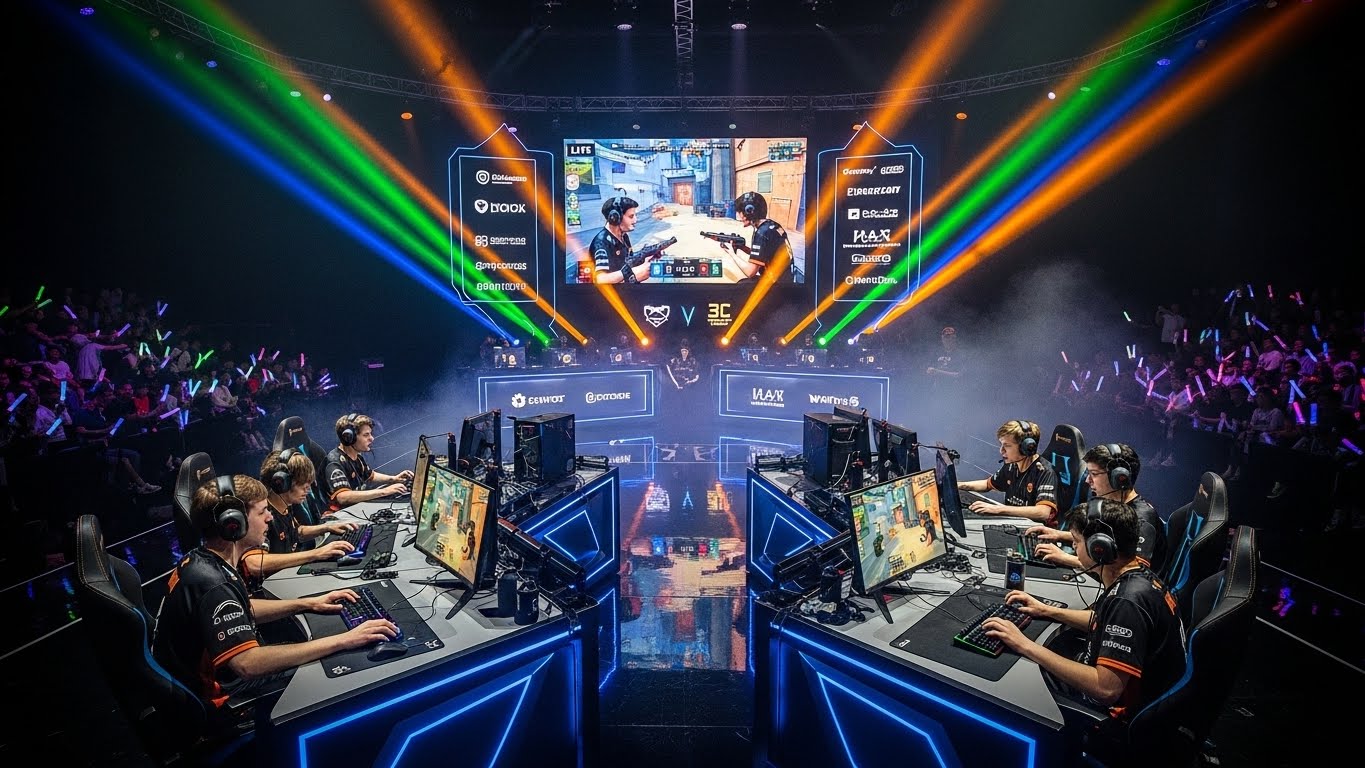
At the heart of esports is intense competition. Players spend hours mastering skills, developing strategies, and coordinating with teammates. Each match challenges reflexes, critical thinking, and teamwork. The high stakes and unpredictable outcomes create a unique excitement, keeping both players and audiences fully engaged.
Esports as a Career
Professional esports players are now recognized athletes. Top players earn through tournaments, sponsorships, and streaming platforms. The industry also offers careers in coaching, analysis, commentary, and event management. Esports provides opportunities for individuals to turn their passion into a professional and rewarding career.
The Global Esports Community
Esports connects people across continents. Online competitions and live events create a sense of community among players and fans. The esports community is diverse, inclusive, and collaborative, offering a platform for sharing experiences, forming friendships, and celebrating achievements.
Technology Driving Esports
Technology powers esports at every level. High-speed internet, advanced gaming hardware, and live streaming platforms enable global competition. Analytics and AI help players refine strategies, while virtual reality and augmented reality provide immersive gameplay experiences. Technology ensures that esports remains innovative, accessible, and engaging.
The Future of Esports
The future of esports is bright and full of potential. Emerging technologies like cloud gaming, virtual reality, and AI-driven tools will make esports more immersive and accessible. The industry is expected to expand further, blending entertainment, competition, and technology to reach new audiences worldwide.
Conclusion
Esports has redefined the concept of competitive gaming. It combines skill, strategy, technology, and community, creating experiences that entertain and inspire millions around the world. As the industry continues to grow, esports will shape the future of digital entertainment and offer endless opportunities for players, fans, and professionals alike.