
Introduction
The world of sports is evolving at an unprecedented rate, and one of the most exciting developments in recent years has been the rise of eSports. What was once a niche hobby for a small group of passionate gamers has now transformed into a global phenomenon, attracting millions of viewers, lucrative sponsorships, and even becoming a recognized form of competitive sport. eSports, or electronic sports, involves organized, multiplayer video game competitions, particularly between professional players, teams, and organizations. From its humble beginnings to becoming a multi-billion-dollar industry, eSports has quickly carved out a significant place in the broader entertainment landscape. In this blog post, we explore the rapid growth of eSports, the impact it’s having on the sports industry, and what the future holds for competitive gaming.
The Origins of eSports
The roots of eSports can be traced back to the early 1970s when competitive gaming first emerged in arcade halls and university campuses. Games like Space Invaders and Pong started to capture the imaginations of young players, leading to local tournaments and competitions. However, it wasn’t until the 1990s and early 2000s, with the advent of the internet and more advanced gaming technology, that eSports began to evolve into the organized, spectator-driven phenomenon we see today.
The creation of early online multiplayer games such as Quake and StarCraft provided the foundation for competitive gaming, as players could now compete against one another from different locations. The first major eSports event, the Red Annihilation tournament in 1997, was held for Quake and attracted thousands of viewers, marking a pivotal moment in the history of eSports. By the mid-2000s, games like Warcraft III, Counter-Strike, and League of Legends were at the forefront of eSports competitions, and large-scale tournaments began to take shape with the help of sponsors and professional organizations.
The Growth of eSports as a Global Industry
Today, eSports has grown into a multi-billion-dollar global industry. Professional leagues, international tournaments, and streaming platforms have helped transform eSports into a massive entertainment sector. What was once a fringe hobby has become a mainstream activity, with millions of fans tuning in to watch live broadcasts of tournaments on platforms like Twitch, YouTube, and Facebook.
The competitive gaming landscape now features top-tier titles such as League of Legends, Dota 2, Fortnite, Overwatch, Counter-Strike: Global Offensive, and Valorant, each with their own professional leagues, sponsorships, and fan bases. The International Dota 2 Championship, for example, has become one of the largest eSports tournaments in terms of prize money, with the 2021 prize pool reaching over $40 million.
As the popularity of eSports continues to surge, traditional sports organizations, entertainment companies, and even universities have begun investing in the industry. Global brands such as Coca-Cola, Intel, and Nike have sponsored eSports events and teams, further validating eSports as a legitimate and profitable entertainment medium. The growing mainstream acceptance of eSports is also reflected in the rise of dedicated eSports arenas, gaming lounges, and even collegiate eSports programs offering scholarships for aspiring gamers.
The Impact of Streaming and Online Platforms
One of the key drivers behind the rapid growth of eSports has been the rise of live streaming and online platforms. Twitch, the largest live-streaming platform dedicated to gaming, has played a critical role in bringing eSports into the homes of millions of people around the world. Twitch allows viewers to watch their favorite players and teams compete in real-time, while also providing a platform for streamers to engage with their audience through live chats, donations, and sponsorships.
The interaction between eSports players and fans has become an integral part of the eSports experience. Fans can directly communicate with their favorite gamers, watch them practice and prepare for tournaments, and even participate in the broader gaming community through forums and social media. This level of engagement has helped create a loyal fan base that not only supports their favorite players but also drives the success of eSports tournaments and leagues.
In addition to Twitch, platforms like YouTube, Facebook Gaming, and even Discord have contributed to the growth of eSports by offering additional ways for fans to consume content, share their experiences, and connect with others who share their passion for gaming. These platforms have helped turn eSports into an interactive experience where viewers don’t just passively watch events but also participate in the gaming community.
The Professionalization of eSports
As eSports has evolved, it has also become increasingly professionalized. What was once a hobbyist-driven activity is now a full-time career for thousands of players, coaches, analysts, and organizers. Teams and organizations have sprung up around major games, with players often earning salaries, receiving sponsorships, and benefiting from the growing recognition of eSports as a legitimate sport.
The structure of eSports leagues is now similar to that of traditional sports. Teams often practice in state-of-the-art facilities, have dedicated coaching staff, and participate in regular season matches leading to playoffs and finals. Top players can earn significant prize money through tournaments, sponsorships, and live-streaming revenue. In fact, many eSports players are now earning millions of dollars a year, with some of the highest-paid individuals coming from games like Dota 2 and Fortnite.
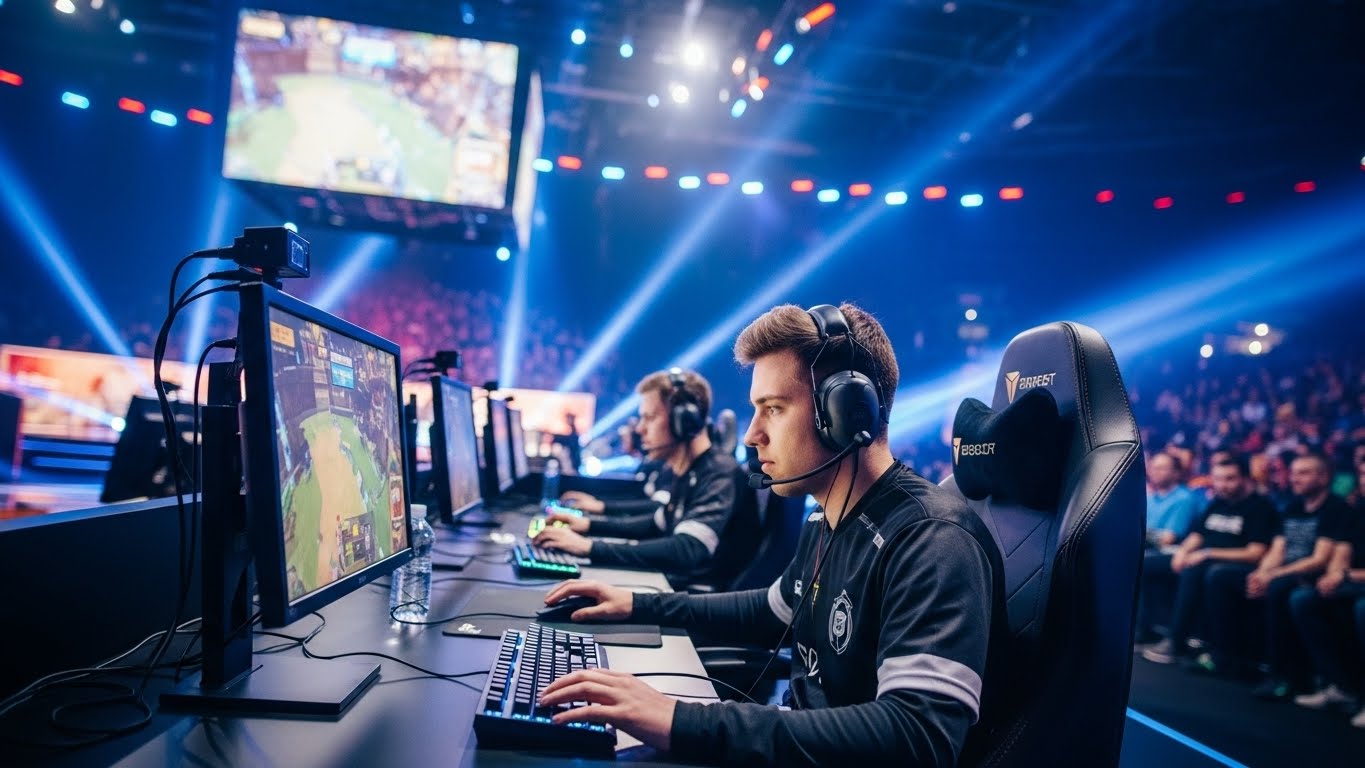
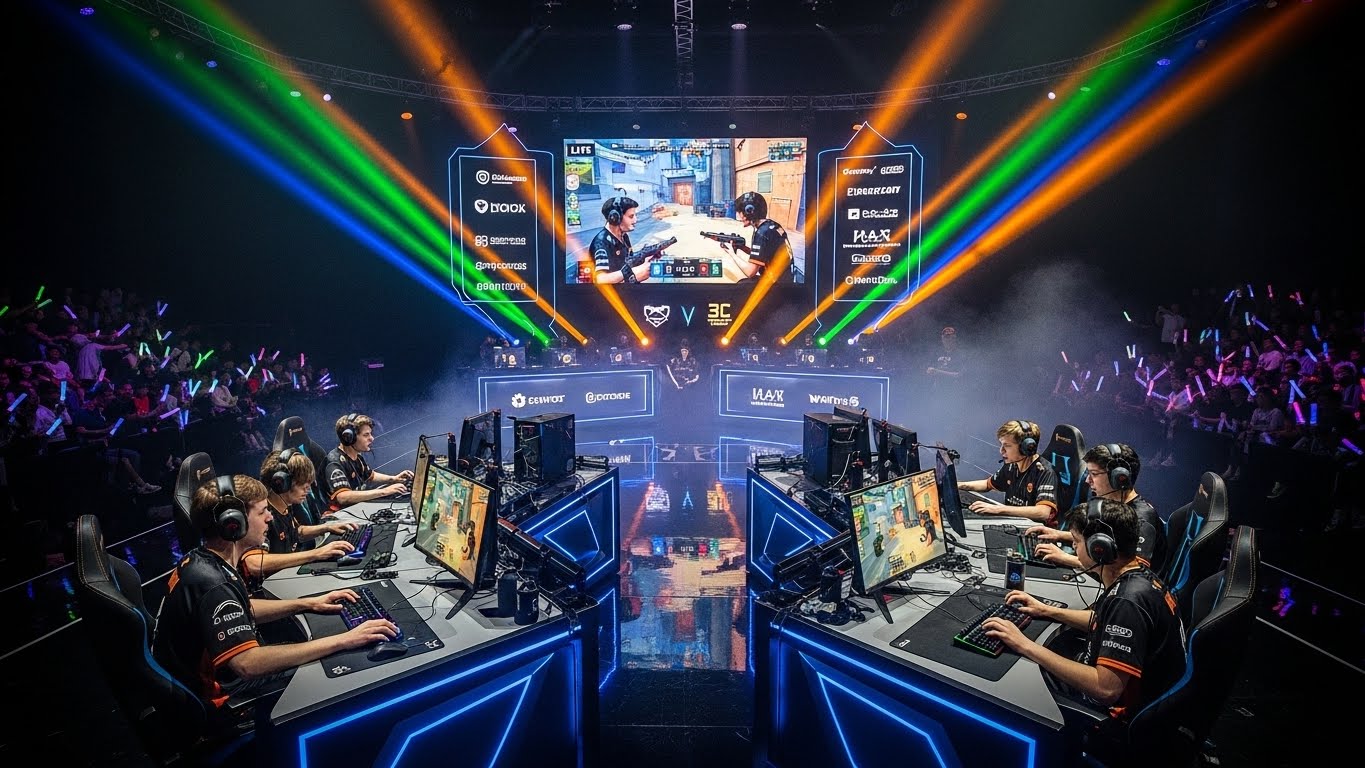
The professionalization of eSports has also brought about a shift in the way tournaments and events are organized. Major tournaments now feature impressive production values, including live commentary, analysis, and high-quality broadcasts with elaborate stage setups. In addition, eSports organizations have expanded their operations to include merchandise sales, media rights, and other revenue streams, further increasing the financial impact of the industry.
The Growing Appeal of eSports to Traditional Sports Fans
While eSports initially attracted a niche audience of gamers and tech enthusiasts, the appeal of competitive gaming is now spreading to a much broader demographic. Traditional sports fans, particularly younger generations, have shown a growing interest in eSports, with many embracing it as an alternative form of entertainment.
This shift in interest can be seen in the rise of eSports partnerships with traditional sports teams and leagues. For example, many NBA and NFL teams now have eSports divisions or sponsor professional eSports teams. Major sports networks such as ESPN and TNT have even broadcasted eSports events, showcasing the growing mainstream appeal of gaming as a spectator sport. The incorporation of eSports into traditional sports has also led to collaborations on hybrid events and cross-promotional campaigns, further blurring the lines between the two worlds.
Additionally, eSports share many similarities with traditional sports, including the need for teamwork, strategy, and individual skill. Competitive gaming also appeals to the same sense of excitement, drama, and unpredictability that makes traditional sports so captivating. With the increasing professionalization of eSports, it’s not hard to imagine a future where eSports and traditional sports coexist, complementing one another rather than competing for attention.
eSports and Its Cultural Influence
Beyond its influence as an entertainment medium, eSports has also had a significant impact on global culture. Competitive gaming has created a new wave of celebrity gamers who have millions of followers, not just in the gaming community, but also in the wider pop culture sphere. These gamers, who have become influencers, are able to shape trends in fashion, lifestyle, and even philanthropy. Some of the most prominent figures in eSports, such as Ninja, Shroud, and Faker, have transcended the gaming world and become recognizable celebrities in their own right.
Moreover, eSports has also contributed to the broader discussion of video gaming as a legitimate form of entertainment. While video games were once viewed as a niche hobby or even a waste of time, the rise of eSports has helped position gaming as a mainstream, competitive, and highly respected activity. This shift has influenced both the gaming industry and the public’s perception of gaming, elevating it to the same level of cultural importance as traditional sports and entertainment industries.
The Future of eSports
As eSports continues to expand, the future of competitive gaming looks brighter than ever. With new technologies on the horizon, such as virtual reality and augmented reality, the potential for further innovation in eSports is vast. These technologies could bring entirely new experiences for players and fans alike, enhancing the immersive nature of competitive gaming and taking the spectator experience to the next level.
Moreover, eSports is expected to continue its global expansion, with more tournaments, teams, and players emerging in regions outside of North America, Europe, and Asia. The development of more accessible platforms for streaming and participation will help ensure that eSports remains inclusive and open to players from all walks of life.
Conclusion
eSports has evolved from a hobbyist pastime into a global entertainment juggernaut, revolutionizing the way we think about competition and sports. With a thriving professional scene, dedicated fans, and lucrative opportunities, eSports is not just a passing trend but a legitimate force that is reshaping the future of sports and entertainment. As technology continues to advance and the global community embraces gaming culture, eSports will only grow in influence, attracting new audiences and becoming an integral part of the entertainment landscape.
Competitive gaming is here to stay, and as it continues to flourish, it will undoubtedly inspire the next generation of players, creators, and fans to push the boundaries of what’s possible in the world of sports. The rise of eSports is just the beginning of an exciting new era in entertainment, where passion, skill, and strategy collide in an entirely new way.