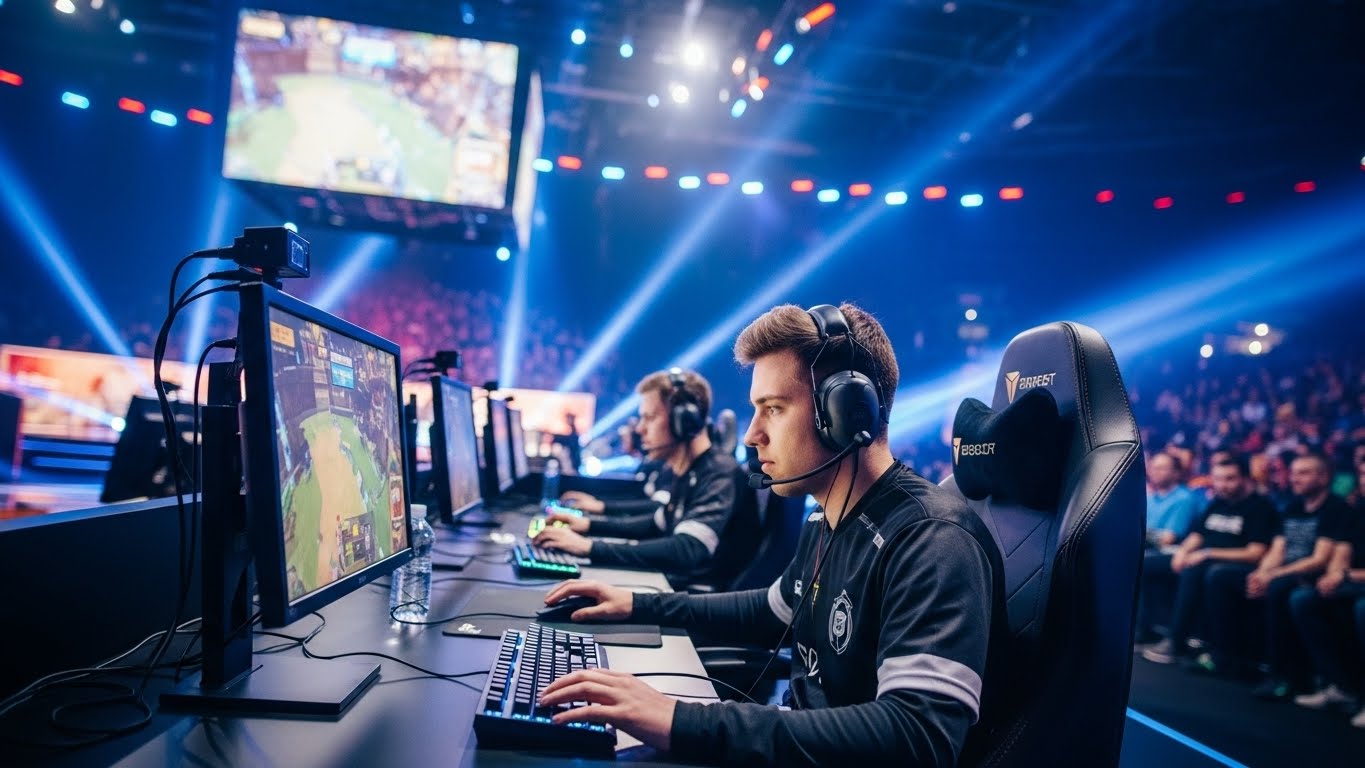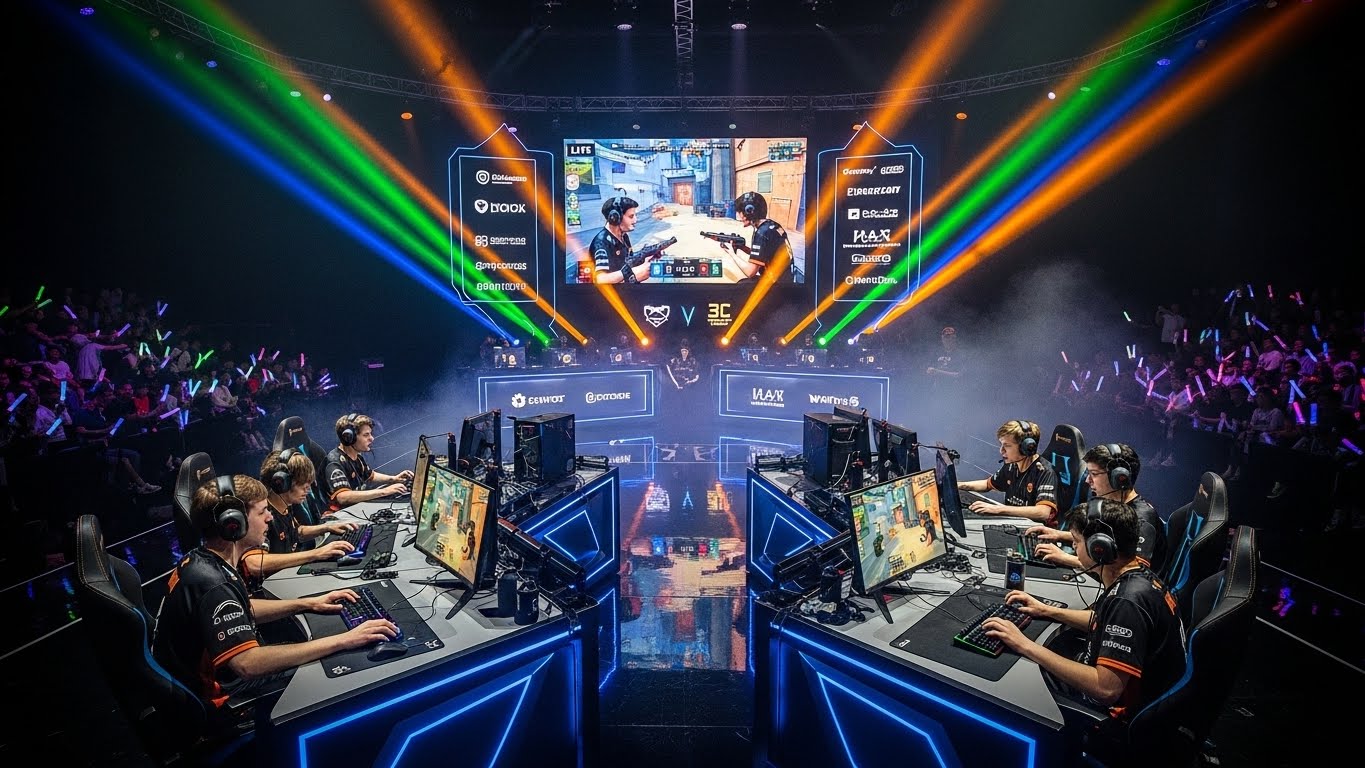
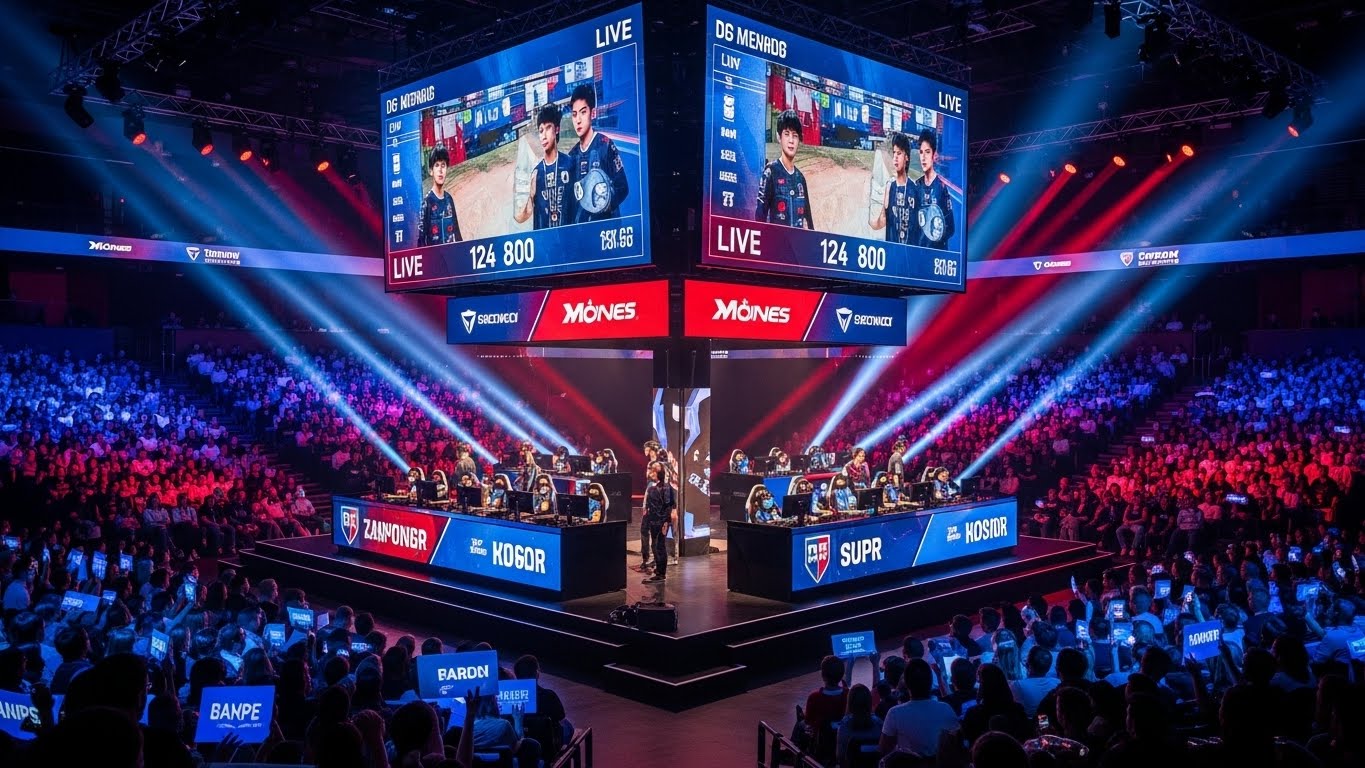
In the last decade, esports has evolved from a niche hobby into a global phenomenon, reshaping how we perceive sports, entertainment, and technology. Once considered just a pastime for teenagers, esports now attracts millions of viewers, offers multi-million-dollar prize pools, and has established itself as a legitimate career path for professional gamers. This blog post delves into the world of esports, exploring its history, growth, economic impact, and the cultural shifts it has inspired.
Understanding Esports
Esports, short for electronic sports, refers to competitive video gaming where individuals or teams compete in various video games for recognition, prizes, and championships. Unlike traditional sports, which rely heavily on physical prowess, esports emphasizes strategy, reflexes, teamwork, and mental endurance. Games like League of Legends, Dota 2, Counter-Strike: Global Offensive, and Fortnite have become household names in the esports community, each with massive competitive scenes and dedicated fan bases.
The Origins of Competitive Gaming
Competitive gaming is not entirely new. Tournaments date back to the 1970s and 1980s, starting with arcade games like Space Invaders and Pac-Man. The 1990s witnessed the rise of PC gaming and LAN (Local Area Network) competitions, where players gathered in a single location to compete. Titles like Quake, StarCraft, and Warcraft became the foundation of modern esports, creating communities that thrived on rivalry, skill, and collaboration.
However, the true boom came in the 2000s with the expansion of the internet. Online gaming allowed players to compete across cities, countries, and continents, leading to the first major international tournaments. Streaming platforms and social media further amplified esports’ reach, connecting gamers and fans in ways that traditional sports could not.
Esports as a Spectator Sport
One of the key drivers of esports’ growth is its appeal as a spectator sport. Unlike casual gaming, professional esports competitions are designed to entertain audiences. High-level strategies, intense rivalries, and dramatic comebacks make these events thrilling to watch. Platforms like Twitch and YouTube Gaming have made it possible for millions to watch live competitions, chat in real-time, and engage with content creators and professional players.
Major tournaments now fill stadiums with tens of thousands of fans. For instance, The International, Dota 2’s annual championship, attracts both live audiences and millions of online viewers, with prize pools exceeding thirty million dollars. The spectacle rivals traditional sports events in terms of production quality, fan engagement, and cultural significance.
The Economics of Esports
Esports is not just a cultural phenomenon; it has become a powerful economic engine. The industry generates revenue through multiple streams: sponsorships, advertising, merchandise, ticket sales, and media rights. Companies across industries, from tech to apparel, are investing in esports to tap into its young, engaged audience.
Sponsorship deals are particularly lucrative. Major brands partner with esports teams or events to market products, reaching demographics that are otherwise hard to target. Similarly, advertising during live streams or tournaments has become a strategic channel for global companies. Analysts predict that esports revenue will continue to grow rapidly, making it one of the most profitable sectors in entertainment.
Professionalism and Careers in Esports
The rise of esports has also opened new career paths. Professional players dedicate countless hours to practice, honing skills as meticulously as athletes in traditional sports. Beyond players, esports careers include coaches, analysts, commentators, event organizers, content creators, and marketing professionals.
Esports organizations operate much like traditional sports teams, offering salaries, contracts, and training programs. Players are scouted for their talent and potential, with some achieving celebrity status. Universities and colleges have even started offering scholarships and esports programs, acknowledging the legitimacy of competitive gaming as an academic and career pursuit.
The Role of Technology in Esports
Technology is at the heart of esports. High-performance computers, gaming peripherals, fast internet connections, and sophisticated streaming platforms all contribute to the industry’s growth. Virtual reality, cloud gaming, and artificial intelligence are shaping the next wave of esports, making competitions more immersive and accessible.
Moreover, data analytics plays a critical role in strategy development. Teams analyze opponents’ gameplay patterns, predict movements, and optimize their own strategies. This analytical approach underscores that esports is not just about reaction time or hand-eye coordination—it is also a game of intellect, planning, and adaptation.
Challenges Facing the Esports Industry
Despite its meteoric rise, esports faces several challenges. One major issue is sustainability. Professional gaming careers are often short-lived, with players retiring in their early twenties due to burnout or declining performance. Ensuring mental health and work-life balance is a growing concern within the industry.
Another challenge is regulation. Unlike traditional sports, esports lacks a unified governing body. Different games have different rules, and inconsistencies in player contracts, tournament standards, and prize distributions can create disputes. Addressing these issues is crucial for maintaining credibility and fairness in the competitive scene.
Additionally, inclusivity remains a significant concern. While esports has a global audience, representation of women and marginalized groups is still limited. Efforts are being made to create more inclusive environments, but progress is gradual.
Cultural Impact of Esports
Esports is reshaping modern culture. It has transformed gaming from a solitary activity into a social, communal experience. Fans connect with teams, players, and content creators in ways that go beyond passive consumption, forming communities based on shared interests and identities.
Moreover, esports challenges traditional notions of sports and athleticism. Success is measured not only by physical ability but also by strategy, mental acuity, and adaptability. This has broadened society’s understanding of competition, skill, and achievement.
Esports has also influenced fashion, music, and entertainment. Gaming merchandise, music collaborations, and live events have integrated into mainstream culture, demonstrating the industry’s growing cultural footprint.
The Future of Esports
The future of esports is full of potential. As technology continues to evolve, esports will become more immersive, interactive, and accessible. Virtual reality tournaments, AI-driven training tools, and global online competitions will redefine what it means to compete and watch competitive gaming.
Education and career opportunities will expand further. More institutions may recognize esports as a legitimate field of study, offering programs in game design, management, marketing, and sports psychology tailored to esports professionals.
Additionally, mainstream acceptance will likely continue to grow. Esports might become an Olympic event or establish its own international league recognized worldwide. Partnerships with traditional sports, entertainment, and media industries will strengthen, further legitimizing competitive gaming.
Conclusion
Esports has transformed from a niche pastime into a global cultural and economic powerhouse. It represents a fusion of technology, entertainment, and athleticism, creating a unique arena where talent, strategy, and spectacle intersect. While challenges remain, the industry’s rapid growth, dedicated fan base, and expanding opportunities indicate that esports is here to stay. Whether as a player, spectator, or entrepreneur, engaging with esports offers a glimpse into the future of competition, entertainment, and community.
Esports is no longer just about games—it is about connection, innovation, and redefining what it means to compete in the digital age.