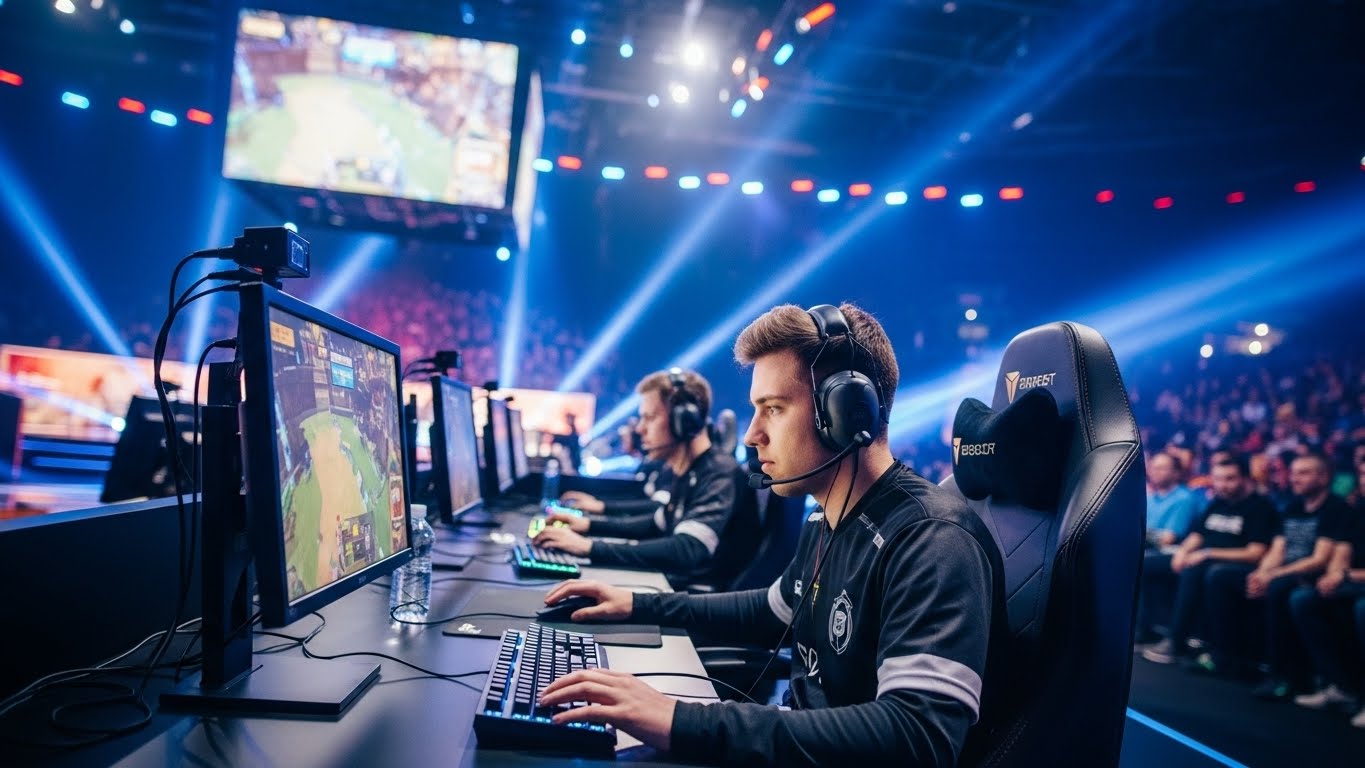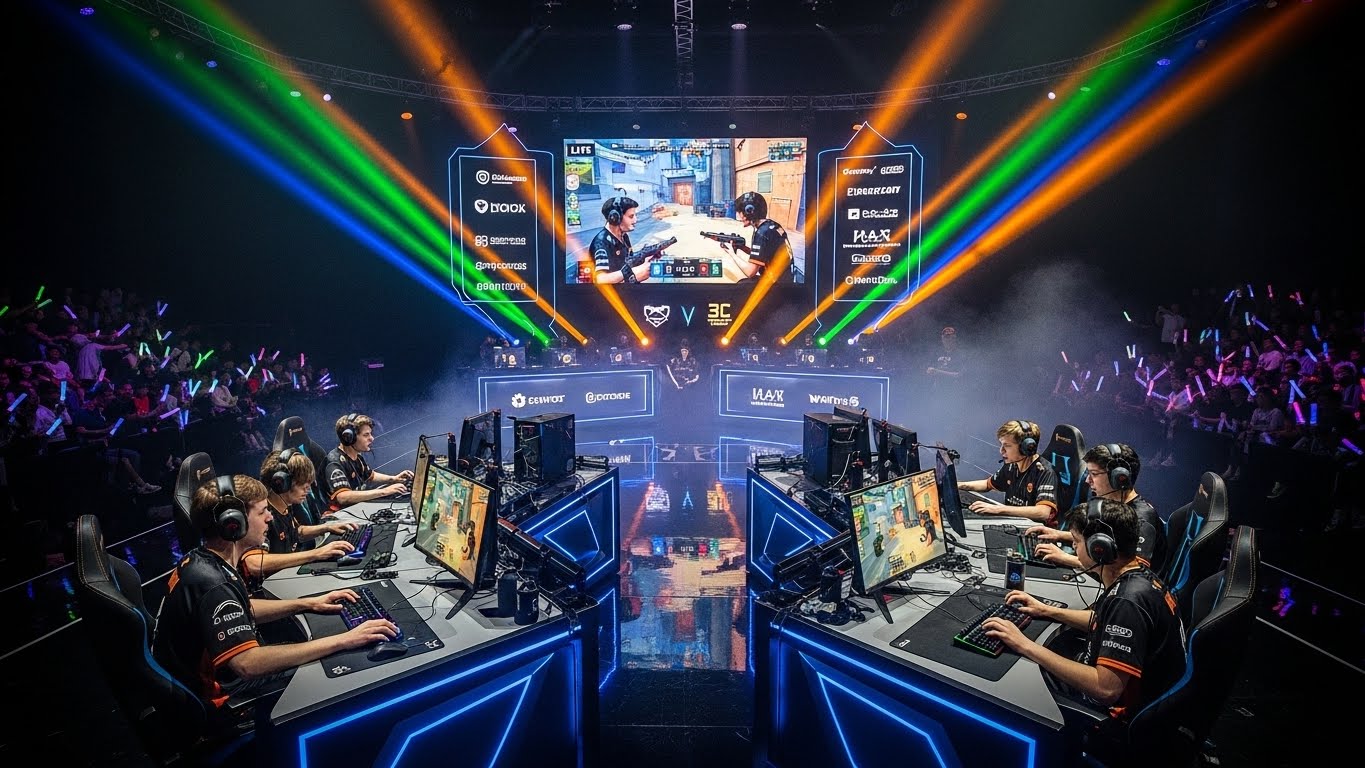
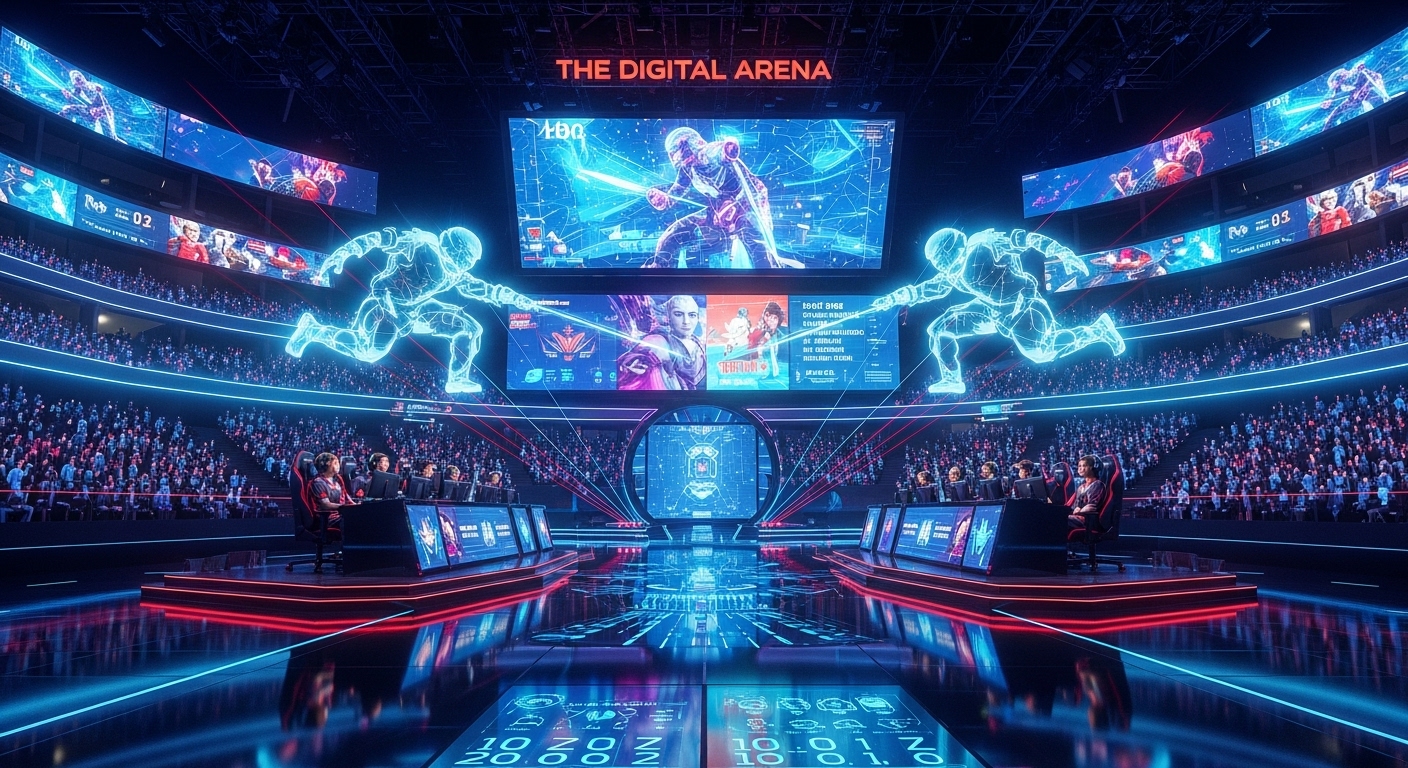
In the last two decades, the gaming landscape has undergone a dramatic transformation. What once was considered a niche hobby for teenagers and tech enthusiasts has now evolved into a multi-billion-dollar global phenomenon known as esports. Competitive gaming is no longer confined to living rooms or internet cafes; it now commands stadiums, professional teams, sponsorship deals, and a massive global fanbase. The growth of esports has been fueled by technological advancements, a growing culture of online connectivity, and the increasing acceptance of gaming as a legitimate form of entertainment and competition.
Esports is unique in that it merges technology, entertainment, and athleticism in ways traditional sports cannot. While physical skill remains important, esports demands an extraordinary level of cognitive dexterity, strategic thinking, and mental resilience. Players must react at lightning speed, understand complex systems, and communicate seamlessly with teammates, all under the intense pressure of live audiences and millions of online viewers. This combination has created a form of competition that is as exhilarating as it is demanding.
Historical Roots of Esports
The origins of esports can be traced back to the early 1970s and 1980s, when simple video games like Pong and Space Invaders sparked competitive interest. Early competitions were informal, often taking place in arcades or college campuses. By the 1990s, the advent of networked PCs and the internet allowed players to compete remotely, giving birth to some of the first online gaming communities. Titles like Quake, StarCraft, and Counter-Strike laid the groundwork for the professional esports scene by offering fast-paced gameplay, strategic depth, and a platform for organized competition.
In South Korea, esports gained official recognition earlier than in most parts of the world. By the late 1990s and early 2000s, StarCraft had become a national obsession, and professional leagues began to emerge. Players became celebrities, tournaments were broadcast on television, and esports culture started to solidify. This early momentum in South Korea set the stage for the global explosion of competitive gaming in the 2010s.
The Evolution of Esports Titles
The diversity of games in esports is a testament to the variety of skills required to compete at a professional level. Different genres cater to different talents, from first-person shooters (FPS) and real-time strategy (RTS) to multiplayer online battle arenas (MOBA) and fighting games. FPS titles like Call of Duty, Counter-Strike: Global Offensive, and Valorant demand precision aiming, quick reflexes, and team coordination. RTS games like StarCraft require deep strategic thinking, resource management, and the ability to predict opponents’ moves. MOBAs, including League of Legends and Dota 2, test players’ understanding of complex game mechanics, team synergy, and split-second decision-making.
Fighting games, such as Street Fighter and Super Smash Bros., focus on individual skill, timing, and mental fortitude. Each genre has cultivated its own community, tournament structures, and professional ecosystem. The variety ensures that esports can appeal to a broad audience and maintain a dynamic competitive environment that evolves with player innovation and technological advancement.
The Professionalization of Esports
One of the most remarkable aspects of modern esports is the level of professionalization it has achieved. Today, professional esports players operate much like athletes in traditional sports. They adhere to rigorous training schedules, maintain strict diets, work with coaches and analysts, and participate in high-stakes tournaments. Major teams are managed by professional organizations with sponsors, marketing departments, and talent scouts. Players sign contracts, earn salaries, and compete for prize pools that often reach millions of dollars.
The professionalization of esports has also spurred the development of infrastructure similar to that of traditional sports. Training facilities, boot camps, and performance analytics have become standard components of competitive teams. Organizations invest heavily in technology to monitor player performance, refine strategies, and maintain competitive edges. This level of professionalism not only legitimizes esports as a career path but also attracts investors and sponsors, further fueling the industry’s growth.
Esports Tournaments and Leagues
Esports tournaments are at the heart of the competitive scene, providing both entertainment and career opportunities. Events such as The International (Dota 2), League of Legends World Championship, and Fortnite World Cup are watched by millions worldwide and feature multi-million-dollar prize pools. These tournaments combine live event production, commentary, and fan interaction to create experiences that rival traditional sports spectacles.
The rise of online streaming platforms has been a major catalyst for esports’ popularity. Platforms like Twitch and YouTube Gaming allow fans to watch live competitions from anywhere in the world. Streamers and commentators, known as casters, provide real-time analysis, interviews, and entertainment, turning esports into a global broadcast phenomenon. League structures, seasonal tournaments, and rankings add further legitimacy to the competitive scene, creating narratives that engage fans and keep them invested in the journey of their favorite teams and players.
The Role of Technology in Esports Growth
Technology has been both the foundation and the driving force behind esports. High-speed internet, cloud computing, and powerful gaming hardware have enabled seamless online competition on a global scale. Advancements in graphics and game design have increased the accessibility and appeal of competitive gaming. Streaming technology has also revolutionized how esports content is consumed, allowing fans to interact in real time with the action, chat with commentators, and engage with other viewers.
Additionally, data analytics and artificial intelligence are increasingly used in professional esports. Teams analyze player performance, match statistics, and opponent tendencies to refine strategies. AI-driven coaching tools provide feedback on decision-making, reaction times, and game sense, helping players optimize their training. Technology not only enhances gameplay but also creates new ways for fans to engage with esports, bridging the gap between players and spectators.
The Global Esports Community
Esports is more than just a competition; it is a thriving global community. Players, fans, developers, and organizers interact across social media, forums, and streaming platforms, creating a shared culture around gaming. Fan communities provide support for teams and players, organize local tournaments, and contribute to the growth of esports culture through fan art, memes, and content creation.
Cultural diversity is also a defining feature of esports. Players from different regions bring unique playstyles, strategies, and approaches to the game. This global exchange of ideas fosters innovation and keeps the competitive meta evolving. International tournaments highlight this diversity, showcasing the talents of players from Asia, Europe, North America, Latin America, and beyond. Esports has become a cultural bridge, connecting people from disparate backgrounds through a shared passion for gaming.
Career Opportunities in Esports
The esports industry offers a wide range of career opportunities beyond professional play. Coaches, analysts, and managers contribute to team performance and strategy. Commentators, content creators, and social media managers shape the public image and reach of esports organizations. Technical roles, such as broadcast engineers, event coordinators, and software developers, support the infrastructure that allows tournaments to run smoothly.
Sponsorships and marketing careers have also grown alongside the industry. Brands recognize the value of esports audiences, which are often younger, tech-savvy, and highly engaged. This has led to lucrative partnerships, advertising campaigns, and collaborations with lifestyle and gaming products. For individuals passionate about gaming, esports presents diverse career paths that combine creativity, business, and technology in a rapidly expanding industry.
The Impact of Esports on Society
Esports has had a profound impact on society, reshaping perceptions of gaming and entertainment. It challenges traditional notions of sports, highlighting the value of mental agility, strategic thinking, and digital literacy. The popularity of esports has also contributed to the rise of gaming as a cultural phenomenon, influencing music, fashion, and lifestyle trends.
Moreover, esports has social and educational implications. Universities now offer scholarships and degree programs in esports management, game design, and competitive play. These programs provide students with skills in teamwork, communication, and critical thinking. Esports also fosters inclusivity, allowing individuals from diverse backgrounds to compete on a level playing field based on skill rather than physical attributes.
Challenges Facing the Esports Industry
Despite its rapid growth, the esports industry faces significant challenges. Player burnout, mental health issues, and the pressures of professional competition are ongoing concerns. Unlike traditional sports, esports athletes often peak at a younger age, leading to shorter career spans and the need for post-retirement planning.
Regulation and governance are also emerging issues. With large sums of money at stake, there is a need for standardized rules, fair play policies, and anti-cheating measures. Intellectual property disputes and sponsorship conflicts can create friction between developers, teams, and players. Additionally, the industry must address inclusivity, ensuring that women, minorities, and marginalized groups have equitable access and representation in competitive gaming.
The Future of Esports
The future of esports looks brighter than ever. With the continued advancement of technology, the industry is poised for further expansion. Virtual reality (VR) and augmented reality (AR) could redefine gameplay experiences, creating immersive competitions that blend the digital and physical worlds. Mobile esports is also gaining traction, especially in regions where traditional PC or console gaming is less accessible.
Esports is likely to continue integrating with mainstream entertainment. Collaborations with film, music, and fashion industries are increasing, turning esports events into multimedia spectacles. Educational programs, grassroots initiatives, and community engagement will help sustain long-term growth while nurturing the next generation of players, coaches, and content creators. As esports evolves, it will continue to shape global culture, redefine competition, and inspire millions of fans around the world.
Conclusion
Esports has come a long way from its humble beginnings in arcades and internet cafes. It has grown into a professional, global industry that combines entertainment, technology, and athleticism in unprecedented ways. From high-stakes tournaments and professional leagues to streaming platforms and fan communities, esports represents a cultural revolution that continues to gain momentum.
The growth of esports is a testament to human creativity, adaptability, and the power of shared passions. As the industry matures, it will continue to push the boundaries of competition, redefine what it means to be an athlete, and inspire a new generation of gamers to pursue their dreams on both virtual and real-world stages. In every sense, esports is not just a pastime—it is a movement, a career, and a global phenomenon that is here to stay.