Introduction to Esports
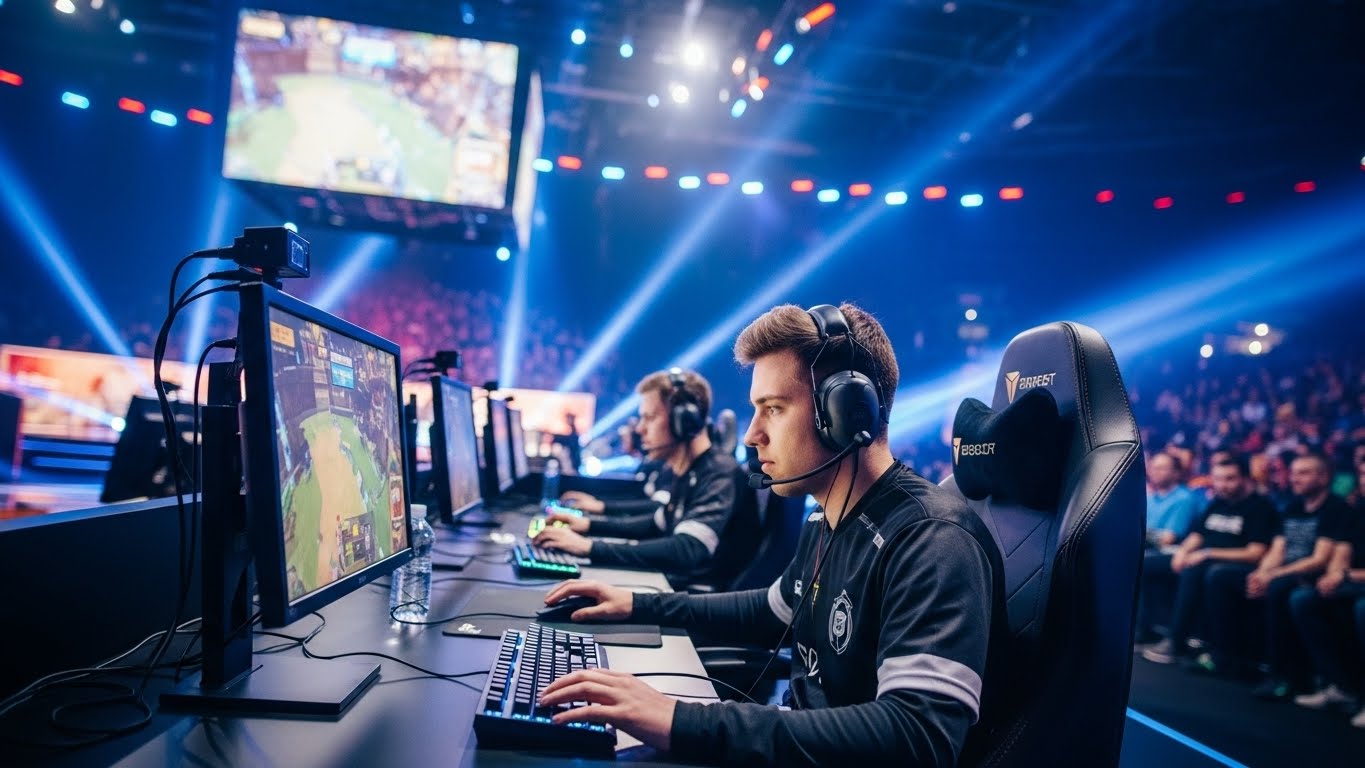
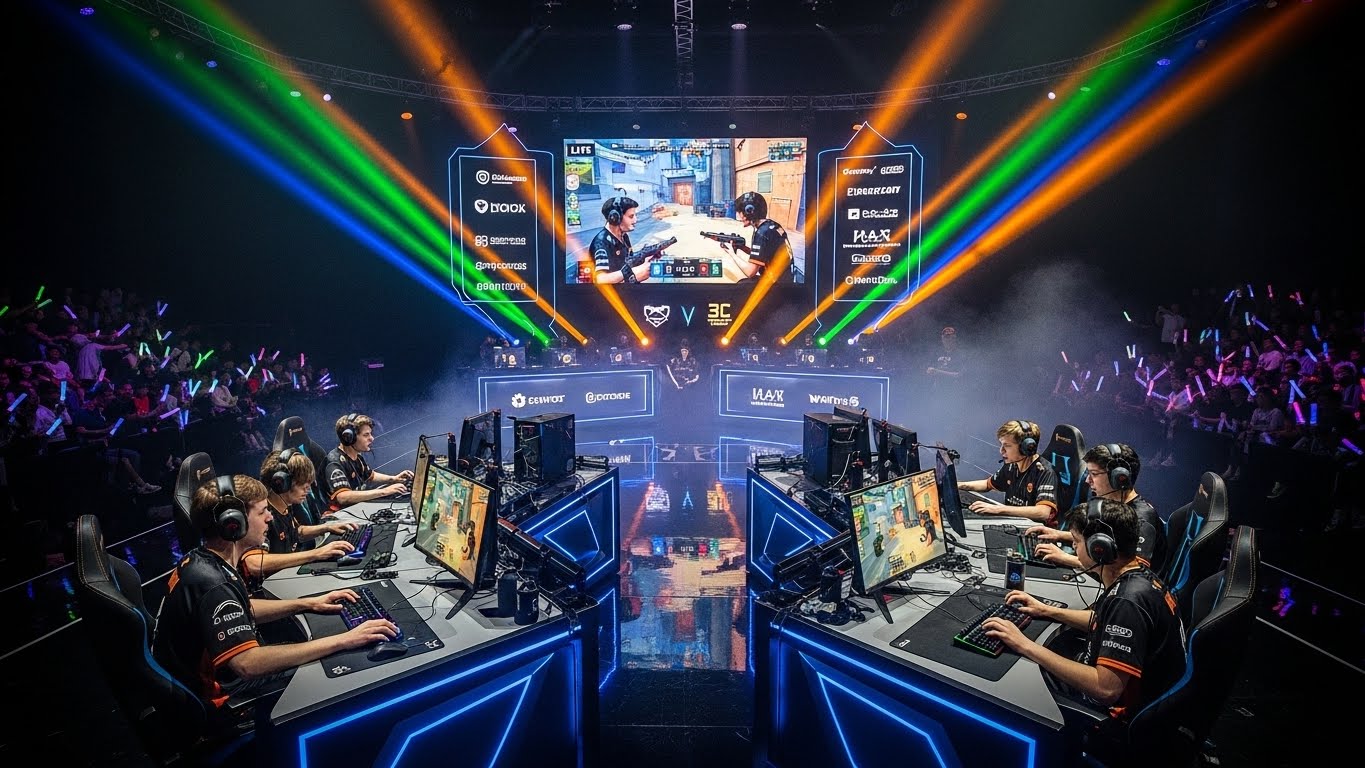
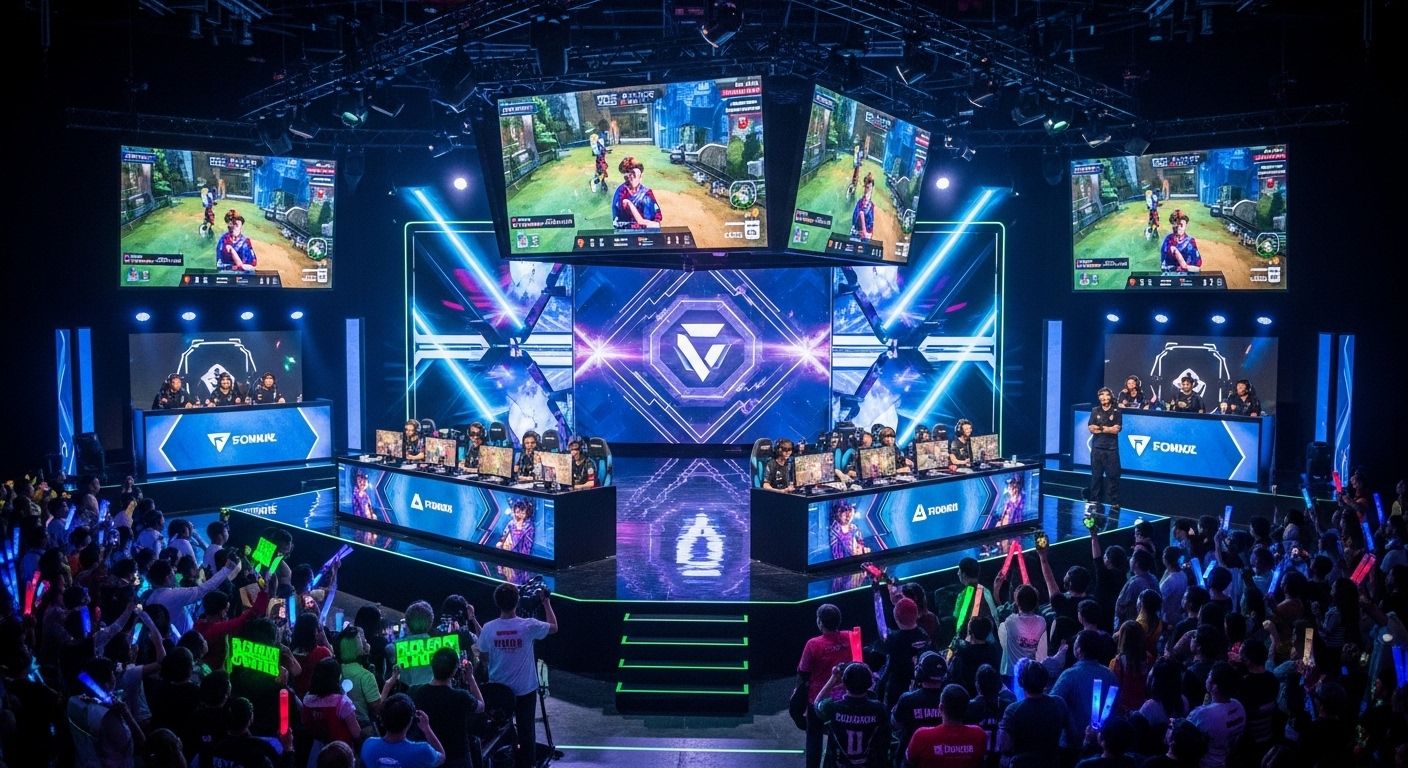
In the modern era, one of the most remarkable cultural and technological phenomena to emerge is the rise of Esports. What once began as small, informal competitions among video game enthusiasts has evolved into a global industry worth billions of dollars. Esports, short for electronic sports, refers to organized, competitive gaming where professional players and teams face off in popular titles across genres. From stadiums filled with thousands of fans to millions more watching online, Esports has become an undeniable force in entertainment, technology, and sports culture.
The Origins of Esports
The journey of Esports dates back to the early 1970s, when the concept of multiplayer gaming was still in its infancy. One of the first known competitive gaming events occurred at Stanford University in 1972, where students played a game called “Spacewar.” The winner received a subscription to a magazine as the prize. Though modest, this event planted the seed for what would eventually become a global movement.
In the 1980s, arcade culture flourished, with games like Pac-Man and Donkey Kong sparking fierce rivalries for high scores. This era established the foundation of competitive gaming, even though the term Esports did not yet exist. The 1990s brought new life to the scene with the rise of home consoles and early internet connectivity. Titles like Street Fighter II and Doom began to create local and online communities that thrived on competition.
The Expansion of Online Gaming
As technology advanced, so did the potential for online competition. The late 1990s and early 2000s witnessed the birth of truly global Esports events. Games such as Counter-Strike, StarCraft, and Warcraft III laid the groundwork for professional competition. South Korea, in particular, became a central hub for Esports during this period. Dedicated television channels broadcasted matches, and professional gamers became celebrities. This marked a turning point where gaming transitioned from a hobby into a legitimate career path.
Online gaming platforms revolutionized how players interacted. They provided leaderboards, matchmaking systems, and communication tools that allowed communities to thrive without geographical limitations. This accessibility helped Esports gain rapid momentum worldwide.
The Rise of Major Esports Titles
As the industry matured, several games emerged as Esports powerhouses. Titles like League of Legends, Dota 2, and Counter-Strike: Global Offensive became synonymous with professional gaming. League of Legends, developed by Riot Games, introduced structured leagues and regional tournaments that culminated in world championships watched by millions. Dota 2’s annual event, The International, became known for offering some of the largest prize pools in competitive history, often reaching tens of millions of dollars.
Meanwhile, first-person shooters like Overwatch, Call of Duty, and Valorant added diversity to the competitive landscape. Each game cultivated unique fan bases and ecosystems, attracting sponsors, broadcasters, and investors eager to capitalize on the growing market. These games not only defined genres but also set new standards for how Esports were organized, marketed, and consumed.
Esports as a Professional Career
One of the most significant shifts in modern Esports has been the recognition of gaming as a viable career. Players now undergo rigorous training schedules comparable to those of traditional athletes. They practice for long hours, analyze gameplay, and work with coaches, analysts, and nutritionists to maintain peak performance.
Professional Esports organizations employ teams across different games, offering salaries, sponsorships, and performance bonuses. Players sign contracts and often have representation through agents or management firms. The professionalism of the industry has elevated Esports to a level where it now mirrors the structure of mainstream sports organizations.
Moreover, the ecosystem surrounding Esports careers extends beyond players. Commentators, event hosts, production crew members, and marketing professionals all contribute to making tournaments successful. The industry’s growth has generated thousands of jobs and opportunities across technology, entertainment, and media sectors.
Esports and Traditional Sports: A New Rivalry
The rapid rise of Esports has often drawn comparisons with traditional sports. While football, basketball, and cricket have dominated global attention for decades, Esports offers a new form of competition that appeals to younger generations. Esports events fill massive arenas, just like major sports championships. The intensity, teamwork, and strategy required in Esports are similar to those found in physical sports.
Traditional sports organizations have recognized this potential. Many football clubs, including those in top European leagues, have invested in Esports teams. The crossover between sports and gaming has also led to collaborations, such as virtual tournaments and charity events that blend both worlds. This synergy highlights how Esports has transcended digital boundaries to influence real-world culture.
The Role of Streaming and Content Creation
The explosion of streaming platforms has been instrumental in the success of Esports. Platforms that allow live broadcasts of tournaments and player streams have turned gaming into a form of interactive entertainment. Viewers can watch their favorite players compete, learn strategies, and engage through chat in real time. This level of audience participation has transformed fans into active members of a growing community.
Streamers and content creators often double as professional players or analysts, creating a direct connection with their followers. This ecosystem fuels the popularity of Esports, as fans not only watch competitive matches but also consume a constant flow of related content. The rise of streaming personalities has blurred the line between entertainment and competition, giving Esports unmatched visibility.
The Business and Economics of Esports
Behind the excitement of competition lies a sophisticated business framework. Esports has evolved into a multibillion-dollar industry supported by sponsorships, advertising, media rights, and merchandise sales. Major brands from various sectors have entered the space to connect with younger, tech-savvy audiences. Sponsorship deals with beverage companies, tech manufacturers, and fashion brands are common.
Esports tournaments generate significant revenue through ticket sales and online viewership. In addition, franchised leagues have emerged, where teams purchase permanent slots to compete annually, much like in professional basketball or football leagues. This structure provides financial stability and encourages long-term investment.
Investors, including celebrities and traditional sports stars, have poured money into Esports organizations. As a result, the valuation of top teams now rivals that of small sports franchises. The commercial success of Esports underscores its sustainability as an industry that continues to grow year after year.
Esports and Education
Esports has found its way into educational systems as well. Universities and colleges around the world now offer scholarships for talented players. Academic programs focus on Esports management, marketing, and game design, recognizing the field’s diverse career potential. Students can pursue degrees that prepare them for professional competition or behind-the-scenes roles in event production and business operations.
High schools have also embraced Esports as extracurricular activities. These programs foster teamwork, discipline, and strategic thinking—skills applicable both inside and outside gaming. By integrating Esports into education, institutions are helping to legitimize gaming as a form of intellectual and creative pursuit.
Global Esports Communities and Cultural Impact
One of the most striking aspects of Esports is its global reach. Players and fans from every continent unite under a shared passion for gaming. Unlike traditional sports, which are often bound by physical location, Esports transcends borders through digital connectivity. This inclusivity allows for cultural exchange, friendship, and competition on an unprecedented scale.
Esports has also influenced popular culture in profound ways. Game characters, logos, and tournament highlights appear in music videos, movies, and fashion lines. Professional gamers have become influencers and role models for younger audiences, demonstrating that passion and dedication can turn a hobby into a thriving profession.
Furthermore, Esports has contributed to the growing acceptance of gaming in mainstream society. Once dismissed as a pastime, gaming is now celebrated as an art form, a career, and a community-building platform.
Challenges Facing the Esports Industry
Despite its rapid growth, Esports faces several challenges that must be addressed for sustainable success. One major issue is player burnout. The intense schedule and pressure to perform can lead to physical and mental health problems. Unlike traditional sports, where players often retire in their thirties, many Esports professionals peak in their late teens or early twenties, leading to short-lived careers.
Another challenge lies in regulation. The decentralized nature of gaming makes it difficult to implement standardized rules, anti-doping policies, or fair play systems across all games. Additionally, the industry struggles with maintaining diversity and inclusivity, as certain regions and demographics remain underrepresented.
Financial stability is another concern. While top-tier teams and tournaments flourish, smaller organizations often struggle to secure consistent funding. Addressing these issues requires collaboration among game developers, tournament organizers, and governing bodies to ensure a healthy ecosystem for all participants.
The Future of Esports
The future of Esports appears brighter than ever. With advancements in virtual reality, artificial intelligence, and augmented reality, the next generation of games could redefine the spectator experience. Fans may soon interact with matches in immersive ways, participating as digital avatars or customizing their viewing experiences.
The inclusion of Esports in global events such as the Asian Games has already begun, with discussions about potential Olympic inclusion in the future. As Esports continues to integrate with mainstream culture, it will likely gain further recognition as a legitimate sport on the world stage.
Moreover, emerging regions such as the Middle East, Africa, and South America are rapidly developing their Esports infrastructures. This global expansion will diversify talent pools and introduce new audiences to competitive gaming. The continued evolution of technology will also enhance accessibility, allowing even more players to participate professionally.
Conclusion
Esports has journeyed from humble beginnings in university labs and arcades to a global phenomenon that rivals traditional sports in scale and influence. It has transformed entertainment, redefined competition, and created countless opportunities for players, creators, and businesses alike.
The impact of Esports extends beyond gaming—it symbolizes the power of digital innovation, community, and passion. As technology continues to advance, the boundaries between physical and digital sports will blur even further, creating a future where Esports stands not as an alternative but as an equal to traditional athletic competition.
In the grand narrative of modern culture, Esports represents the spirit of a new generation: connected, creative, and competitive. Its rise is not merely a trend but a revolution that continues to reshape how the world perceives sport, entertainment, and human achievement.