Introduction: The Rise of a New Kind of Athlete
In the last two decades, a quiet revolution has taken place in the world of sports. While stadiums once echoed only with the sound of bouncing balls, roaring crowds, and whistles, a new type of arena has emerged—one built not of grass and concrete, but of pixels and data. Esports, or electronic sports, have transformed the meaning of competition. What was once dismissed as casual gaming has evolved into a billion-dollar industry, commanding global audiences, corporate sponsorships, and professional athletes whose dedication rivals that of any traditional sport. Esports have become a defining cultural phenomenon of the digital age, merging entertainment, technology, and competition into one electrifying spectacle.
From Basement Hobby to Global Phenomenon
In the early days of video gaming, competitions were informal and local, often held in basements, arcades, or small computer cafés. Players gathered not for fame or fortune, but for the sheer thrill of proving their skills. Games like Street Fighter, StarCraft, and Counter-Strike were early battlegrounds where gamers tested reflexes, strategy, and endurance. However, as technology advanced and the internet connected millions, gaming transformed from an isolated pastime into a massive online experience. The introduction of high-speed connections, live streaming platforms, and sophisticated multiplayer systems allowed players from around the world to compete in real time. Suddenly, a teenager in Seoul could face off against a rival in Los Angeles. This global accessibility gave birth to the modern esports movement, paving the way for professional teams, organized tournaments, and international audiences.
The Professionalization of Play
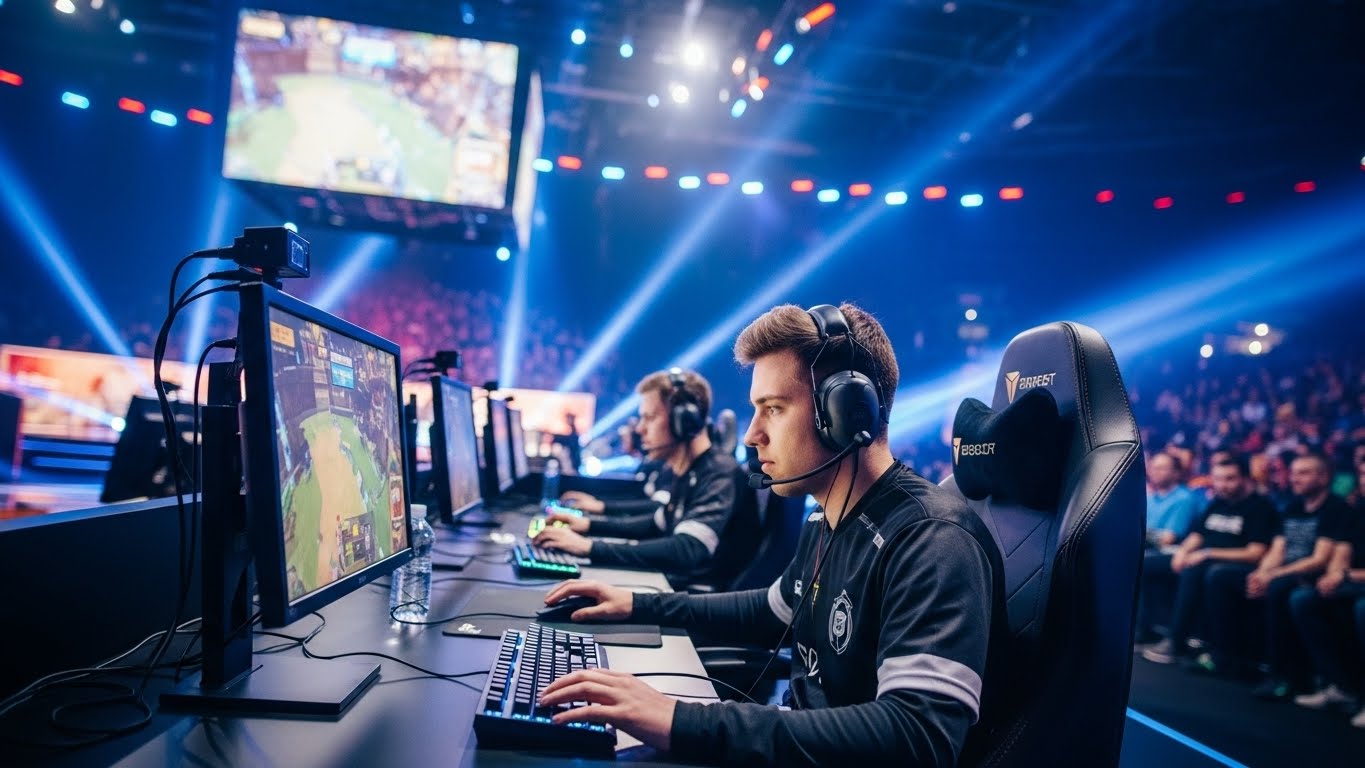
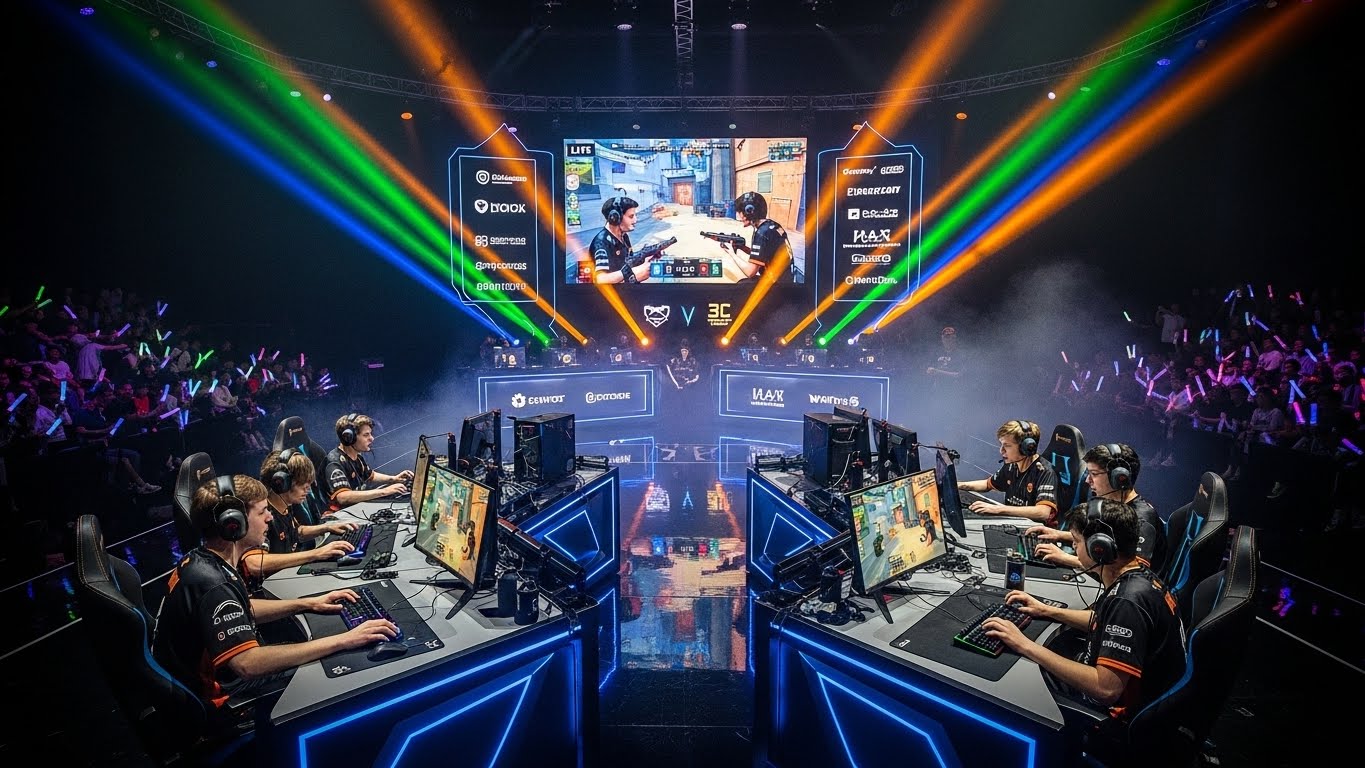
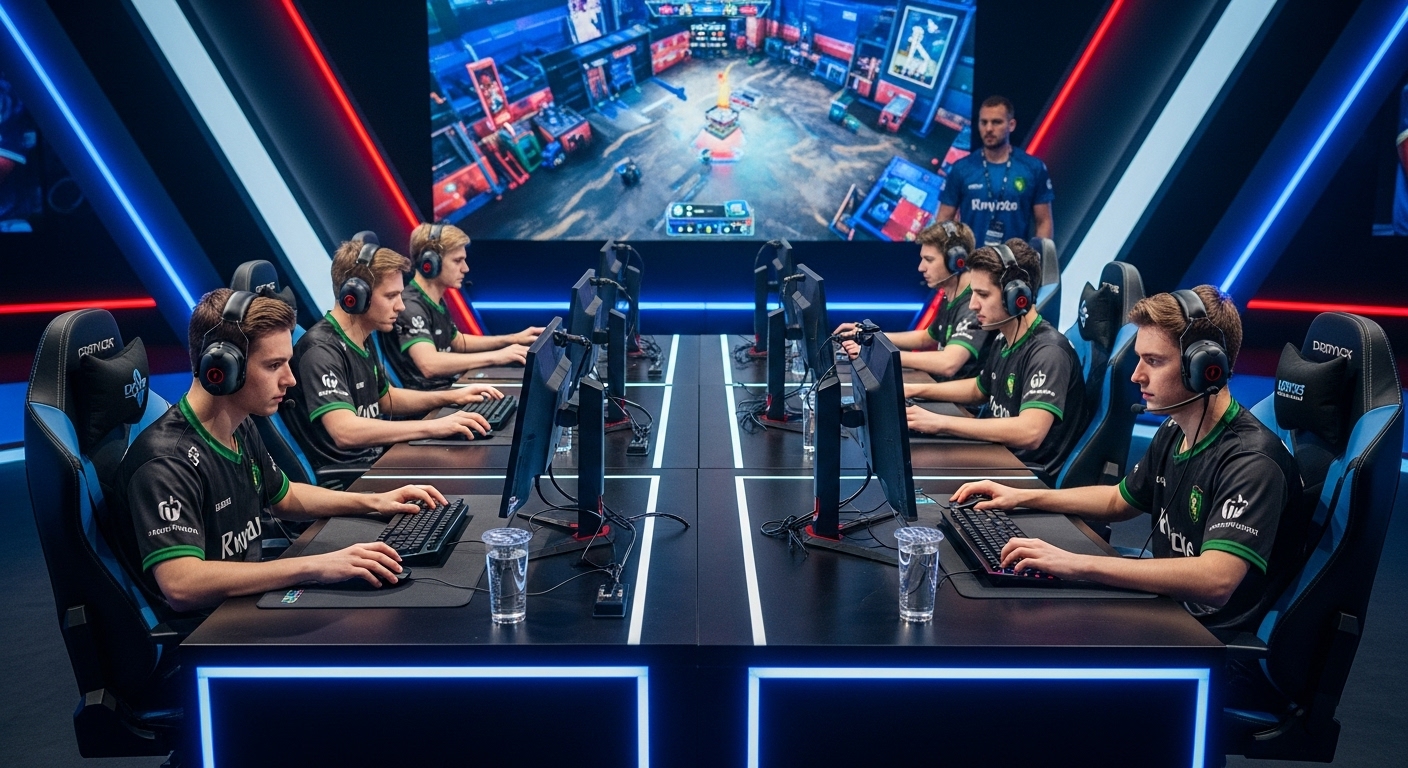
As esports grew, so did its infrastructure. Professional leagues formed, complete with coaches, analysts, and managers. Training facilities began to resemble those of traditional sports teams. Players adhered to strict practice schedules, nutrition plans, and mental conditioning routines. The image of a gamer lounging on a couch was replaced by that of a disciplined athlete in a team jersey, sitting under studio lights before millions of fans. Major titles like League of Legends, Dota 2, and Counter-Strike: Global Offensive became the foundations of professional circuits, offering prize pools that often surpassed those of traditional sporting events. The Dota 2 International, for instance, has offered prize money in the tens of millions, a staggering amount that underscores how far esports have come. Sponsorships from technology companies, energy drink brands, and even automobile manufacturers solidified esports’ legitimacy. It was no longer just play—it was a career.
The Spectator Experience: Watching the Game Evolve
One of the most remarkable aspects of esports is its spectator appeal. Traditional sports rely on physical presence, but esports harness the power of digital connectivity. Fans can tune in from anywhere in the world to watch live matches, complete with professional commentary, instant replays, and detailed analysis. Streaming platforms have become virtual stadiums where millions gather to cheer, chat, and debate strategies. Unlike passive television viewing, esports streams are interactive; fans can engage directly with commentators, vote on outcomes, and support their favorite players through donations or in-game purchases. The sense of community is strong—fans are not just spectators but participants in an evolving global culture.
The Psychology of Esports Athletes
Behind every successful esports player lies a mind sharpened by strategy, reflexes, and discipline. The mental demands of esports are intense. Players must make split-second decisions, maintain focus under pressure, and communicate seamlessly with teammates. In many games, one wrong move can spell defeat. Cognitive endurance, hand-eye coordination, and emotional control are critical. This level of mental agility has drawn comparisons between esports professionals and chess grandmasters, fighter pilots, and even elite athletes in traditional sports. Teams often hire sports psychologists to help players manage stress and avoid burnout. The psychological side of esports underscores that, though the playing field is digital, the human element remains at its core.
The Economics of the Digital Arena
The business side of esports is as dynamic as the games themselves. Revenues come from sponsorships, advertising, media rights, ticket sales, and in-game item purchases. Esports organizations operate like traditional sports franchises, with player contracts, brand deals, and merchandising. Events fill arenas and attract millions of online viewers, turning competitions into multimedia spectacles. The economic ripple extends beyond players and organizers; it includes broadcasters, designers, coaches, and even statisticians. Universities have begun offering scholarships for esports athletes, while cities vie to host major tournaments for tourism and recognition. The economic ecosystem of esports reflects its evolution from a niche hobby into a legitimate industry.
The Role of Technology and Innovation
Esports would not exist without rapid advancements in technology. High-performance computers, ultra-fast internet, and immersive graphics have made games more competitive and visually stunning. Virtual reality and augmented reality are poised to redefine how esports are experienced, blurring the line between physical and digital competition. Artificial intelligence now assists in strategy analysis, offering teams detailed breakdowns of opponents’ play styles and decision patterns. The integration of technology extends to audience engagement as well—real-time data overlays, camera angles, and interactive tools make viewing more dynamic and informative. Technology has not only enabled esports but continues to drive its evolution.
The Cultural Shift: From Nerd to Hero
One of the most profound impacts of esports has been its influence on social perception. Once marginalized or stereotyped as “nerdy,” gamers have become cultural icons. Esports stars now appear on magazine covers, collaborate with mainstream celebrities, and inspire millions of young fans. This shift reflects a broader acceptance of gaming as part of modern culture. Schools incorporate esports clubs, parents support gaming as a viable career path, and companies see gaming literacy as an asset. Esports have become a bridge between generations, uniting people through shared digital experiences. The transformation from gamer to hero symbolizes how society’s definition of achievement has evolved in the digital age.
The Global Stage: Esports Without Borders
Unlike traditional sports, which can be limited by geography or access to facilities, esports transcend borders. A player with a computer and an internet connection can compete at the highest levels, regardless of background. This inclusivity has turned esports into a truly global phenomenon. Countries like South Korea, China, and the United States dominate many competitive scenes, but emerging regions such as Southeast Asia, South America, and Africa are rapidly growing. Esports foster international cooperation and competition, where language barriers are overcome by shared passion. The digital arena is the most inclusive playing field humanity has ever created.
Education and the Future Workforce
Esports have also opened doors in education and career development. Universities around the world now offer degrees in game design, esports management, and digital marketing. Students learn not just how to play but how to build sustainable ecosystems around gaming. Esports teach valuable life skills—teamwork, communication, critical thinking, and time management. Educators have begun to recognize that gaming can be a pathway to STEM fields, encouraging interest in technology, engineering, and data analysis. Beyond playing, esports nurture a generation prepared for the digital economy, where creativity and adaptability are paramount.
Challenges and Growing Pains
Despite its success, esports face several challenges. Issues of player burnout, fair play, and integrity have sparked debates about regulation. The intense schedule and constant travel can strain mental health. Match-fixing scandals and cheating incidents have, at times, damaged public trust. Additionally, the rapid commercialization of esports raises questions about sustainability and balance between entertainment and athlete welfare. To secure its future, the industry must prioritize ethical standards, player protection, and transparency. As esports mature, governance and professionalism will become crucial to maintaining credibility and growth.
The Future of Esports: Beyond the Screen
Looking ahead, esports are poised to expand beyond traditional boundaries. The integration of virtual reality, holographic displays, and artificial intelligence could redefine how we experience digital competition. Imagine stepping into a virtual stadium where the line between player and spectator vanishes, or watching teams compete in mixed-reality environments where strategy and movement intertwine. The next generation of esports will not only entertain but also inspire technological and social innovation. With the rise of 5G connectivity, cloud gaming, and metaverse platforms, the potential for immersive, inclusive competition is limitless.
The Human Element: What Truly Makes Esports Special
At the heart of esports lies something timeless—the human desire to compete, connect, and create. Technology may provide the tools, but it is people who bring passion and purpose. Every game, every match, every victory tells a story of perseverance and teamwork. Behind the screens are individuals chasing dreams, overcoming adversity, and building communities. Esports remind us that competition does not have to be physical to be meaningful. It shows that in a digital world, our humanity—our drive to excel and belong—remains the ultimate game.
Conclusion: The Game That Changed the World
Esports have not just changed how we play; they have changed how we perceive competition, entertainment, and success. From small local tournaments to massive global events, from hobbyists to professional athletes, esports have become a defining symbol of the modern era. They represent the fusion of technology and human spirit, proving that passion can transcend boundaries and redefine culture. The digital arena is not a replacement for traditional sports—it is an evolution, a new frontier where anyone with skill and determination can rise to greatness. In the story of human progress, esports stand as a testament to how far we’ve come and how much further we can go when play becomes purpose.