Introduction: The Rise of Competitive Gaming
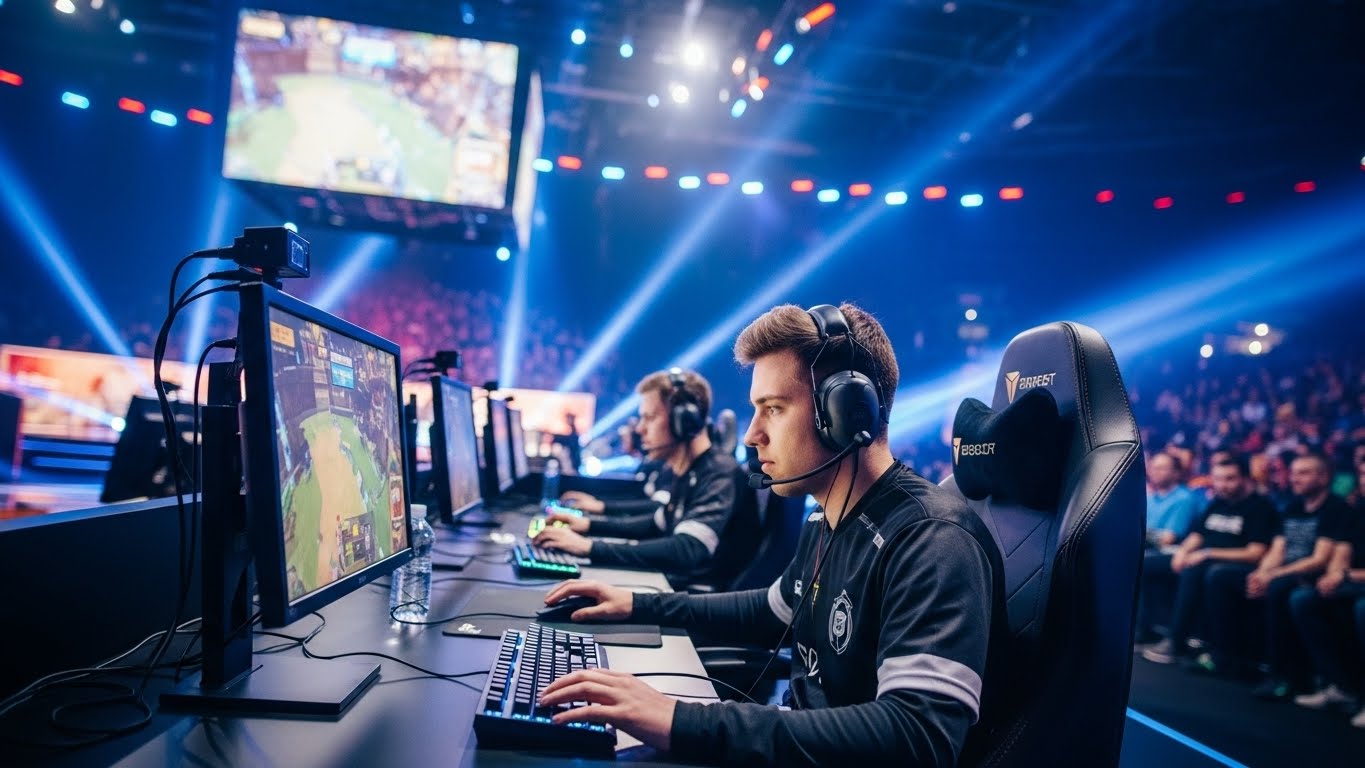
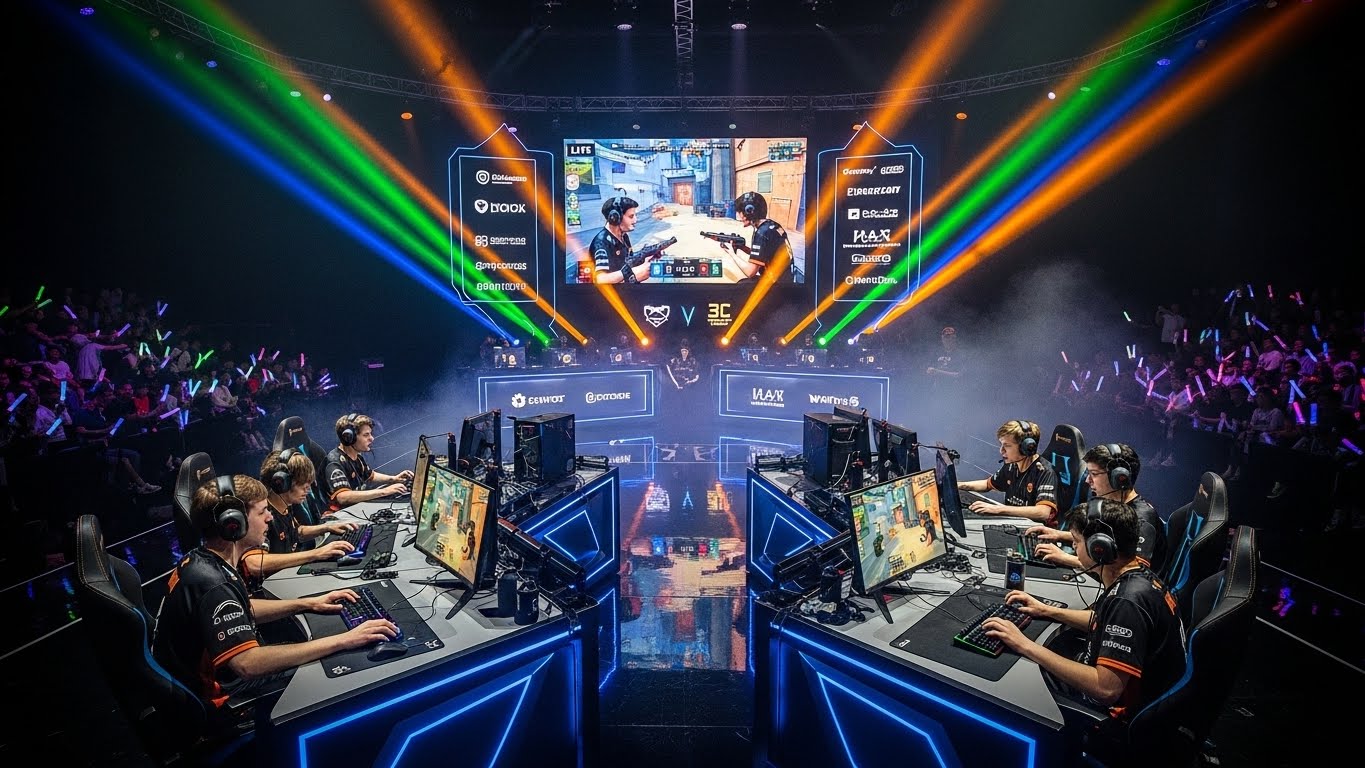
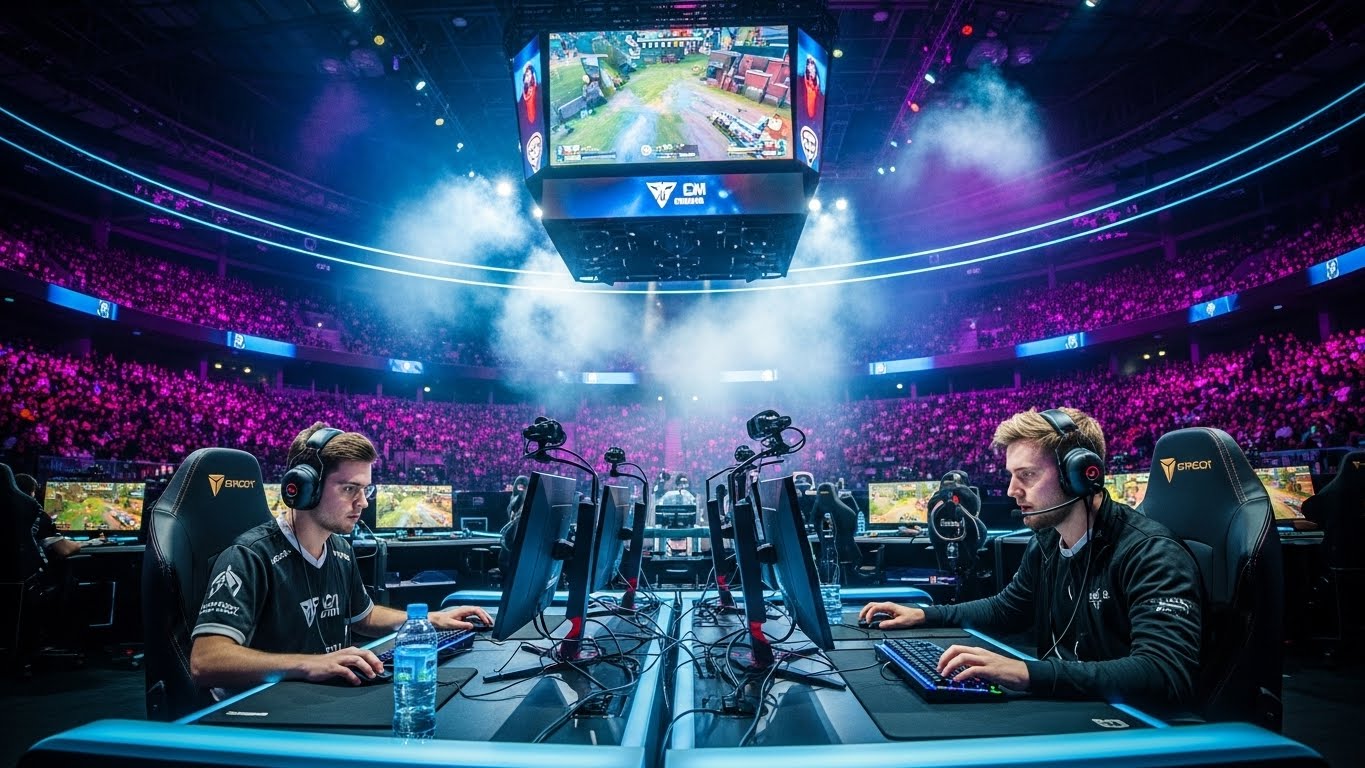
Esports, once considered a niche hobby, has evolved into a global phenomenon that rivals traditional sports in viewership, revenue, and cultural impact. Competitive gaming is no longer just about playing video games for fun; it has become a legitimate career path, an entertainment industry powerhouse, and a platform for community and personal development. From small online tournaments to massive international events filling arenas, esports has carved a unique place in modern society.
This blog explores the multifaceted world of esports, examining its growth, economic influence, technological innovation, cultural significance, and future potential. It delves into how this digital revolution is reshaping entertainment and creating opportunities for players, fans, and businesses alike.
The Origins and Evolution of Esports
The concept of competitive gaming is not new. Early video game tournaments in the 1970s and 1980s were simple affairs, often held at arcades or local gaming clubs. As technology advanced, online multiplayer games like StarCraft, Counter-Strike, and Dota 2 transformed competitive gaming into a structured and highly strategic pursuit.
The rise of high-speed internet, live streaming platforms, and social media created the perfect environment for esports to flourish. Players could now compete globally, fans could watch tournaments in real-time, and communities could form around shared interests. Over time, esports evolved from informal competitions to professional leagues, with sponsorships, training programs, and prize pools comparable to traditional sports.
Esports as a Career: Opportunities and Challenges
One of the most transformative aspects of esports is its emergence as a professional career. Today, top esports players can earn salaries, sponsorships, and prize money that rival professional athletes. Organizations support teams with coaches, analysts, nutritionists, and mental health professionals, emphasizing that success in esports requires more than just raw gaming skill.
However, the career path is not without challenges. Intense schedules, high competition, and public scrutiny place significant pressure on players. Burnout is a common issue, and the lifespan of a professional gamer’s career is often shorter than in traditional sports. Despite these challenges, esports careers provide unique opportunities for those passionate about gaming, technology, and strategy.
The Economics of Esports: A Billion-Dollar Industry
Esports is a multi-billion-dollar industry with revenue streams spanning sponsorships, advertising, merchandise, media rights, and event tickets. Major tournaments like The International, League of Legends World Championship, and Fortnite World Cup offer prize pools worth millions of dollars, drawing global audiences in the millions.
Brands have recognized esports as a powerful marketing platform. From gaming peripherals to lifestyle products, companies invest heavily in sponsorship deals, advertisements, and partnerships. The rise of esports also stimulates local economies by hosting tournaments that attract tourism, create jobs, and drive infrastructure development. The economic impact of esports is substantial and continues to grow as the industry matures.
The Role of Technology in Shaping Esports
Technology is the backbone of esports. High-performance gaming rigs, cloud servers, and streaming platforms ensure smooth gameplay and a seamless spectator experience. Data analytics and AI are now used to analyze player performance, develop strategies, and predict outcomes. Virtual reality and augmented reality are also emerging, promising to create immersive esports experiences for both players and audiences.
Streaming platforms have been a game-changer, enabling players to reach global audiences while building personal brands. Esports fans can now engage with players, participate in live chats, and access behind-the-scenes content, creating a level of interaction unprecedented in traditional sports.
Esports and Community Building
At its core, esports is about community. Fans connect with players, teams, and each other, forming tight-knit networks that transcend geography and culture. Online forums, social media groups, and live-stream chats facilitate constant interaction and engagement.
Esports also fosters inclusivity. Unlike many traditional sports, physical limitations do not prevent participation, allowing a diverse range of players to compete. Communities often provide support for new players, helping them develop skills and confidence. This social aspect of esports is a critical factor in its sustained growth and cultural relevance.
Mental and Cognitive Benefits of Esports
Contrary to outdated stereotypes, esports can offer significant mental and cognitive benefits. Competitive gaming requires strategic thinking, quick decision-making, teamwork, and problem-solving under pressure. Players develop enhanced hand-eye coordination, multitasking abilities, and spatial awareness.
Moreover, esports can improve mental resilience. Handling the stress of high-stakes matches, managing wins and losses, and maintaining focus over long sessions fosters discipline and emotional intelligence. When combined with healthy practices like exercise, proper nutrition, and mental coaching, esports can be a highly rewarding and intellectually stimulating pursuit.
Esports in Education: Learning Beyond the Classroom
Educational institutions have begun recognizing the potential of esports as a tool for learning and skill development. Schools and universities now offer esports programs, scholarships, and courses in game design, digital marketing, and team management. These programs teach students not only gaming skills but also leadership, communication, and strategic thinking.
Esports competitions in educational settings foster collaboration and provide a sense of belonging for students who may not excel in traditional sports or academic tracks. By integrating esports into education, institutions are creating pathways to professional careers and promoting digital literacy in an engaging and relevant way.
Women in Esports: Breaking Barriers
Historically, esports has been male-dominated, but the landscape is changing rapidly. Female players, teams, and content creators are gaining recognition and achieving success at the highest levels. Organizations and tournaments are increasingly committed to inclusivity, providing platforms for women to compete and thrive.
The rise of women in esports challenges stereotypes and encourages diversity, inspiring younger generations to pursue their passion regardless of gender. Increased representation also drives audience growth and contributes to a richer, more dynamic esports culture.
The Global Reach of Esports
Esports transcends national borders, creating a truly global community. International tournaments bring together players from Asia, Europe, North America, and beyond, fostering cross-cultural exchange and cooperation. Global audiences consume esports content through streaming platforms, social media, and live events, often in the tens of millions.
This worldwide reach has significant implications. It drives cultural exchange, encourages collaboration among diverse communities, and positions esports as a central player in global entertainment. Unlike traditional sports, esports requires minimal physical infrastructure to compete internationally, making it accessible to more people in more regions.
Challenges Facing the Esports Industry
Despite its rapid growth, esports faces challenges. Issues like player burnout, online harassment, and cheating can undermine the community. Regulatory frameworks are still developing, and the lack of standardized rules across games and tournaments can create inconsistencies.
Monetization remains a delicate balance. While sponsorships and advertising generate revenue, maintaining authenticity and fan trust is crucial. The industry must continue to prioritize ethical practices, mental health support, and inclusivity to sustain long-term growth.
The Future of Esports: Trends and Predictions
The future of esports is bright and full of potential. Advances in artificial intelligence, cloud gaming, and immersive technologies will continue to redefine how players compete and how audiences engage. Expect more collaborations between traditional sports and esports, broader mainstream media coverage, and deeper integration into educational and professional development programs.
Esports is also likely to expand into new genres and formats, appealing to a broader audience. Virtual reality esports, mobile gaming competitions, and hybrid events that combine physical and digital experiences will reshape the entertainment landscape. As the industry matures, esports will increasingly be recognized not only as a form of entertainment but as a cultural and economic force.
Conclusion: The Transformative Power of Esports
Esports is more than just a digital pastime. It is a transformative force that redefines entertainment, creates careers, fosters communities, and drives technological innovation. It empowers players to pursue their passions professionally, inspires fans globally, and promotes mental and cognitive development.
The rise of esports reflects broader societal changes, including the shift toward digital interaction, the value of intellectual and strategic skills, and the demand for inclusive and engaging experiences. As esports continues to grow, it will play an increasingly vital role in shaping culture, economy, and human connection.
From small online competitions to sold-out international arenas, esports is proving that the virtual world can have a profound impact on the real one. It is leveling up our understanding of competition, collaboration, and creativity, and its influence is only set to expand in the years to come.