
Introduction: The Rise of Esports
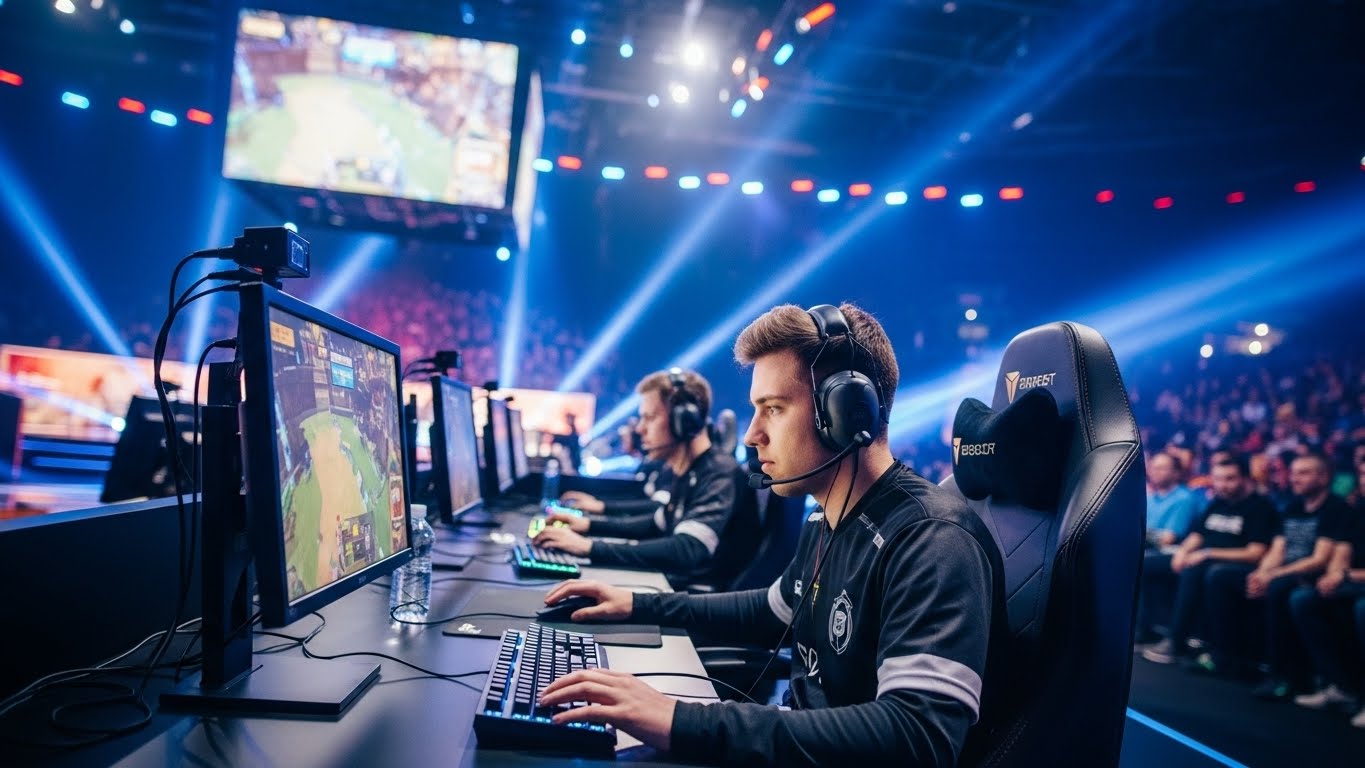
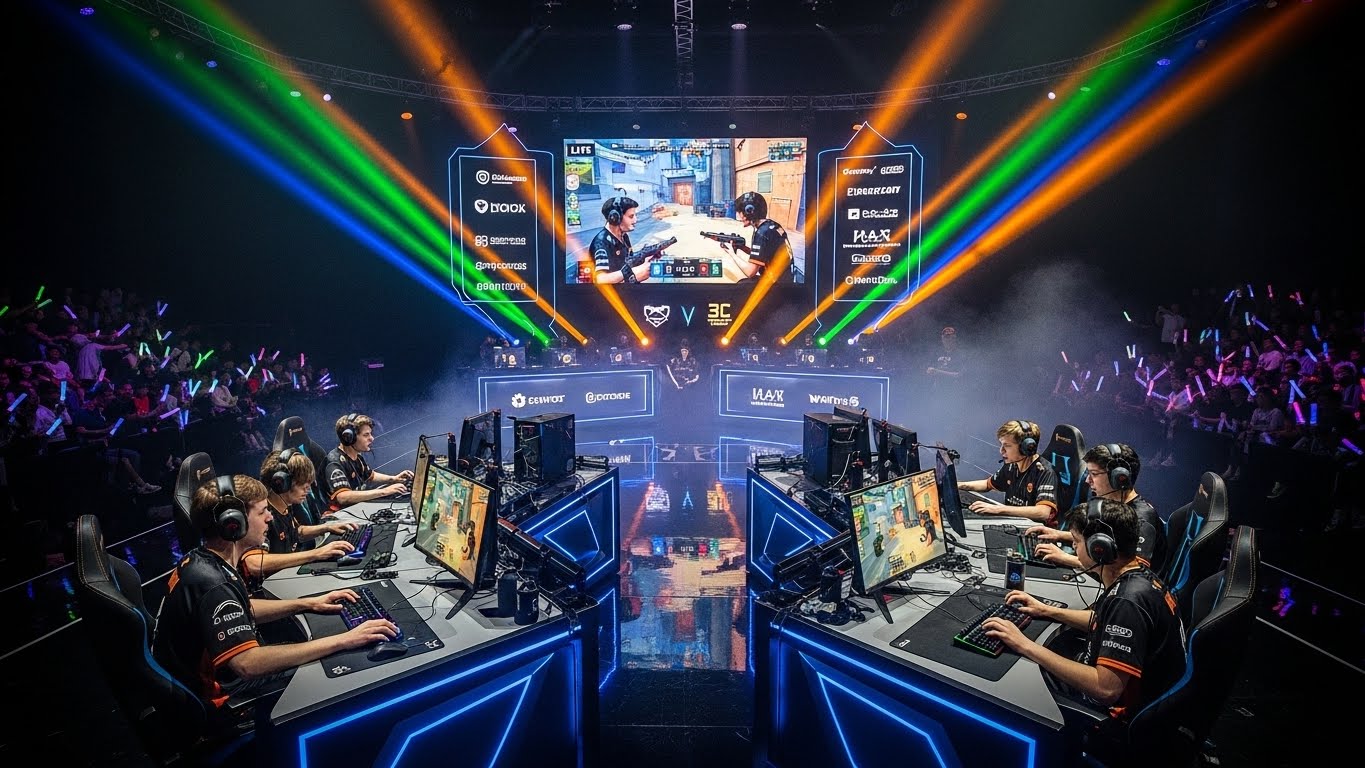
Esports, or competitive video gaming, has evolved from niche hobby to a global phenomenon. Once considered a pastime for enthusiasts, esports now commands massive audiences, professional players, and multimillion-dollar tournaments. The rise of high-speed internet, advanced gaming technology, and streaming platforms has transformed gaming into a legitimate competitive sport. Esports is not just about playing games; it is a complex ecosystem involving skill, strategy, teamwork, and entertainment. Its rapid growth reflects how society is redefining traditional concepts of sports, competition, and fandom.
The Evolution of Esports
The origins of esports date back to the late 1970s and 1980s, when arcade competitions and early gaming tournaments began appearing. Games like Space Invaders, Pac-Man, and later StarCraft and Counter-Strike, cultivated communities of competitive players. With the advent of online gaming in the 2000s, esports experienced unprecedented growth. Titles such as League of Legends, Dota 2, and Fortnite attracted millions of players and viewers worldwide. Today, esports tournaments rival traditional sports events in scale and production quality, showcasing a new era where digital competition commands the same excitement as physical sports.
The Economics of Esports
Esports is not only a cultural movement but also a booming industry. Revenues come from multiple streams, including sponsorships, media rights, merchandise, and ticket sales. Major tournaments offer prize pools reaching millions of dollars, making professional gaming a viable career. Corporate sponsorships, from tech companies to mainstream brands, further validate esports’ economic significance. Streaming platforms generate additional revenue while providing access to global audiences. The economic impact of esports extends beyond players and organizers, contributing to tourism, marketing, and digital entertainment economies.
Skill and Strategy: The Core of Competitive Gaming
Contrary to popular misconceptions, esports requires extraordinary skill, strategy, and mental agility. Professional gamers spend hours daily training to master mechanics, timing, and decision-making. Games often demand teamwork, quick reflexes, and precise communication. Strategy plays a pivotal role; understanding opponents’ tendencies, anticipating moves, and executing coordinated team plans often decide matches. The cognitive and strategic demands in esports are comparable to traditional sports, challenging players to maintain peak performance under pressure.
The Psychological Impact of Esports
Esports offers both mental challenges and psychological benefits. Players develop focus, critical thinking, problem-solving abilities, and resilience under pressure. Competitive gaming also fosters emotional intelligence, as athletes must manage stress, handle losses gracefully, and work effectively in teams. For spectators, esports provides a sense of community, excitement, and shared experience. Watching a favorite team or player succeed can evoke emotions similar to those in traditional sports, creating bonds among fans across different countries and cultures.
Esports as a Career Path
Professional esports offers diverse career opportunities beyond just playing. Players, coaches, analysts, commentators, event organizers, and content creators all contribute to the industry. Esports scholarships and dedicated training programs are now available at universities, further legitimizing it as a career path. While the competition is fierce, and the lifestyle demanding, esports provides a platform for individuals passionate about gaming to turn their skills into professional achievements. The industry rewards talent, perseverance, and adaptability, making it a modern manifestation of ambition and dedication.
The Role of Streaming and Online Communities
Streaming platforms have played a crucial role in the rise of esports. Platforms like Twitch and YouTube Gaming allow players to broadcast their gameplay to millions of viewers, creating communities around games and personalities. Online forums, social media, and Discord servers further connect fans, enabling discussions, strategy sharing, and fan engagement. These digital spaces democratize esports, allowing aspiring players to learn from professionals, build audiences, and gain recognition. The combination of streaming and interactive communities is redefining how entertainment, sports, and social connection intersect in the digital age.
Women in Esports
Women’s participation in esports has increased significantly, challenging stereotypes and creating more inclusive gaming environments. Female gamers are achieving remarkable success in competitive tournaments, streaming, and professional teams. Organizations are increasingly promoting gender equality, creating safe spaces, and hosting women-focused tournaments. This inclusivity not only broadens the talent pool but also inspires young girls to pursue esports, highlighting that skill and strategy transcend gender. The visibility of women in esports is reshaping perceptions and opportunities within the gaming industry.
Esports and Education
Esports is increasingly intersecting with education, offering opportunities for skill development and academic recognition. Many universities now offer esports programs and scholarships, teaching teamwork, leadership, and digital literacy alongside competitive gaming. Participation in esports also enhances cognitive skills, such as problem-solving, strategic thinking, and multitasking. Schools and educational institutions recognize esports as a way to engage students in constructive, skill-building activities while preparing them for careers in technology, media, and digital industries.
Health and Well-being in Esports
While esports offers many benefits, it also presents challenges related to physical and mental health. Prolonged screen time, sedentary behavior, and repetitive motion can affect physical well-being. Professional players often follow strict fitness and nutrition regimes to maintain health and endurance. Mental health is equally important; managing stress, avoiding burnout, and balancing competitive pressures are critical. Increasingly, esports organizations are emphasizing holistic well-being, combining physical training, mental coaching, and structured schedules to ensure players perform at their best while maintaining health.
Esports as a Global Phenomenon
Esports has a global reach, with competitive leagues and tournaments spanning continents. Countries like South Korea, the United States, China, and European nations have established professional infrastructures and fan bases. International competitions, including the League of Legends World Championship and Dota 2’s The International, attract millions of viewers worldwide. The global nature of esports fosters cultural exchange, uniting players and fans from diverse backgrounds around shared passion and competition. It demonstrates how digital technology can bridge geographical divides and create worldwide communities.
The Cultural Impact of Esports
Esports has influenced culture, entertainment, and media in profound ways. Gaming references appear in music, movies, fashion, and popular culture. Esports personalities become celebrities, shaping trends and influencing consumer behavior. Gaming culture encourages creativity, storytelling, and innovation, leading to new forms of artistic expression. Esports is also inspiring educational content, documentaries, and even social campaigns, proving that competitive gaming extends beyond leisure into the realms of culture and society.
The Future of Esports
The future of esports promises continued growth and innovation. Emerging technologies like virtual reality, augmented reality, and artificial intelligence are likely to redefine gameplay and audience experiences. Esports will continue to expand inclusivity, accessibility, and interactivity, reaching new audiences and creating opportunities for diverse participation. The integration of esports with traditional sports, entertainment, and media platforms will further blur boundaries, making esports a central component of digital culture and global competition. Sustainability and professionalization within esports organizations will ensure its longevity as both an industry and cultural movement.
Conclusion: Beyond the Game
Esports is more than entertainment; it is a complex ecosystem shaping culture, career opportunities, and human connection. It challenges traditional definitions of sports, requiring extraordinary skill, strategy, and teamwork while offering emotional, cognitive, and social benefits. From professional players to fans and online communities, esports creates a sense of belonging and shared excitement. As technology advances and inclusivity grows, esports is set to redefine competition, education, and cultural engagement in the digital age. Beyond victory and defeat, esports exemplifies the power of dedication, innovation, and global connection, showing that the future of competition is digital, dynamic, and limitless.