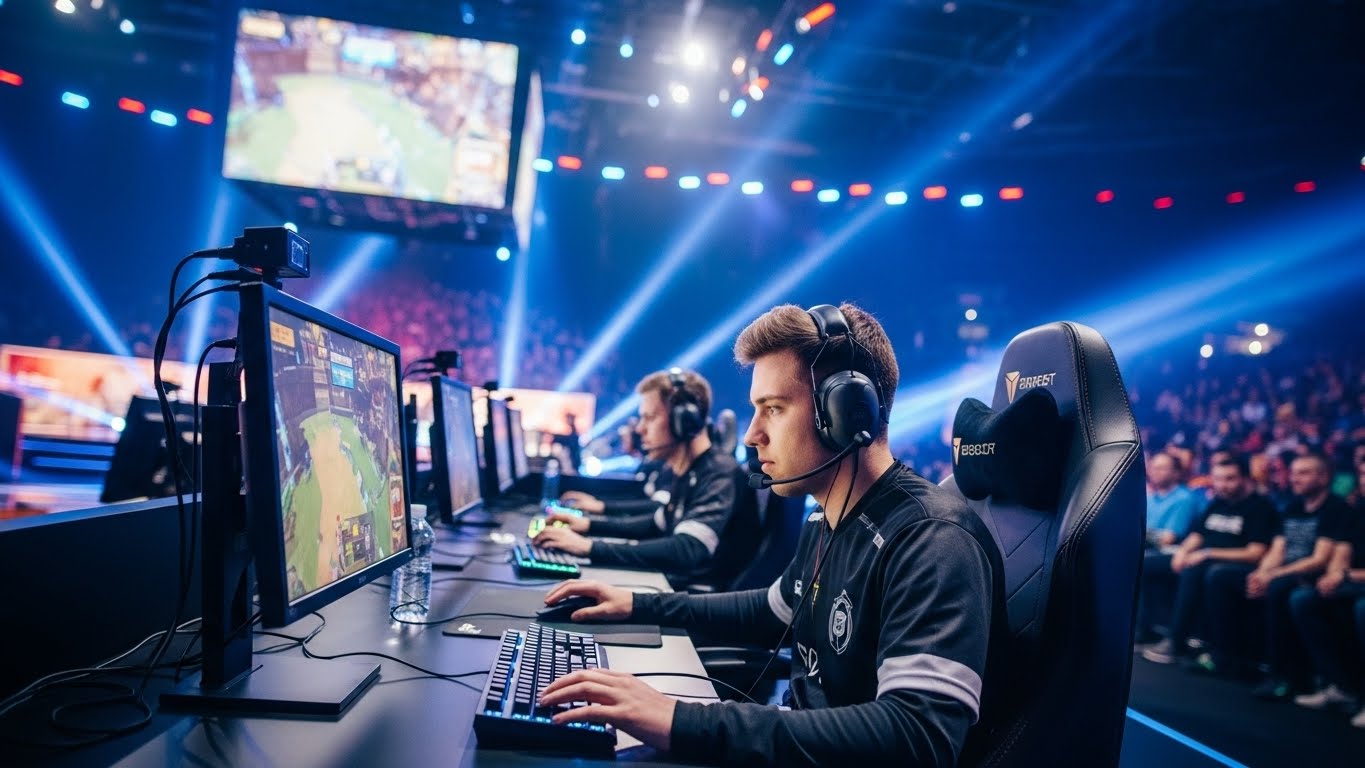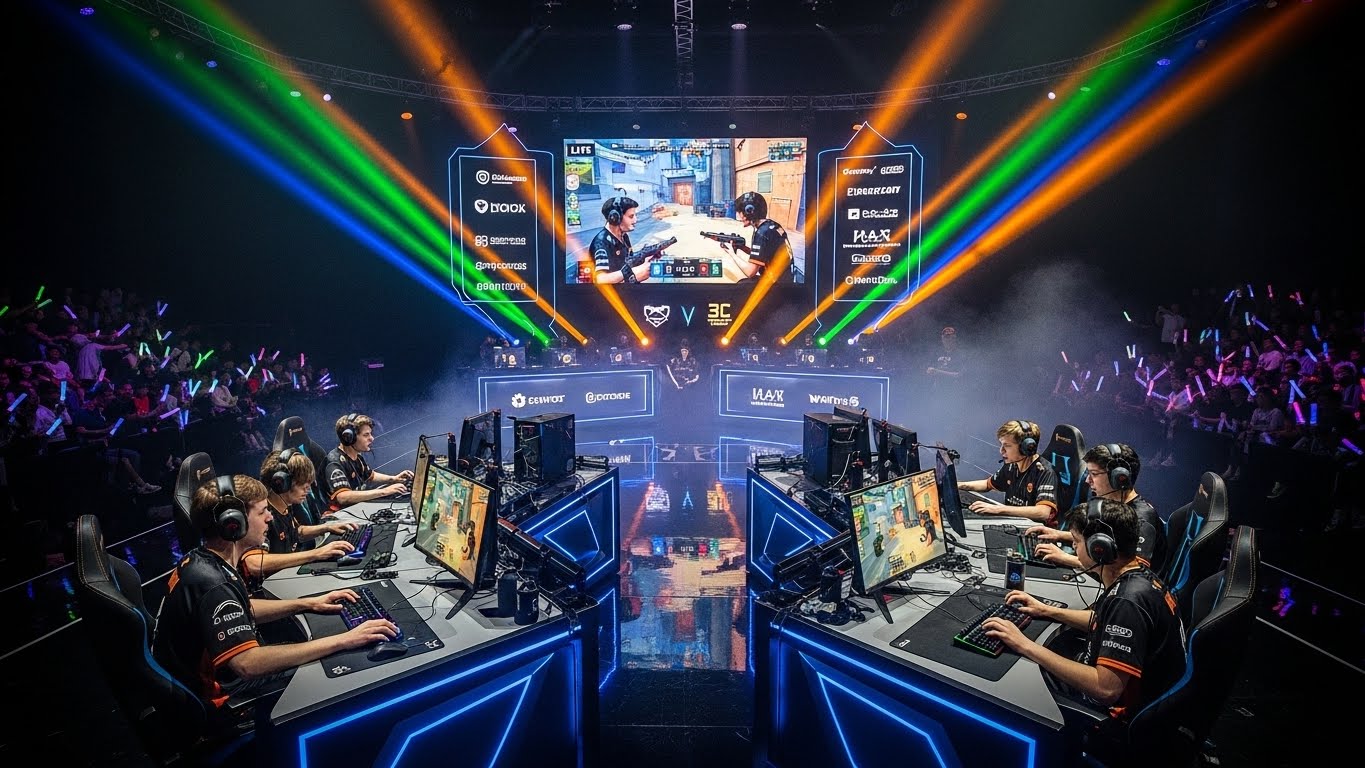
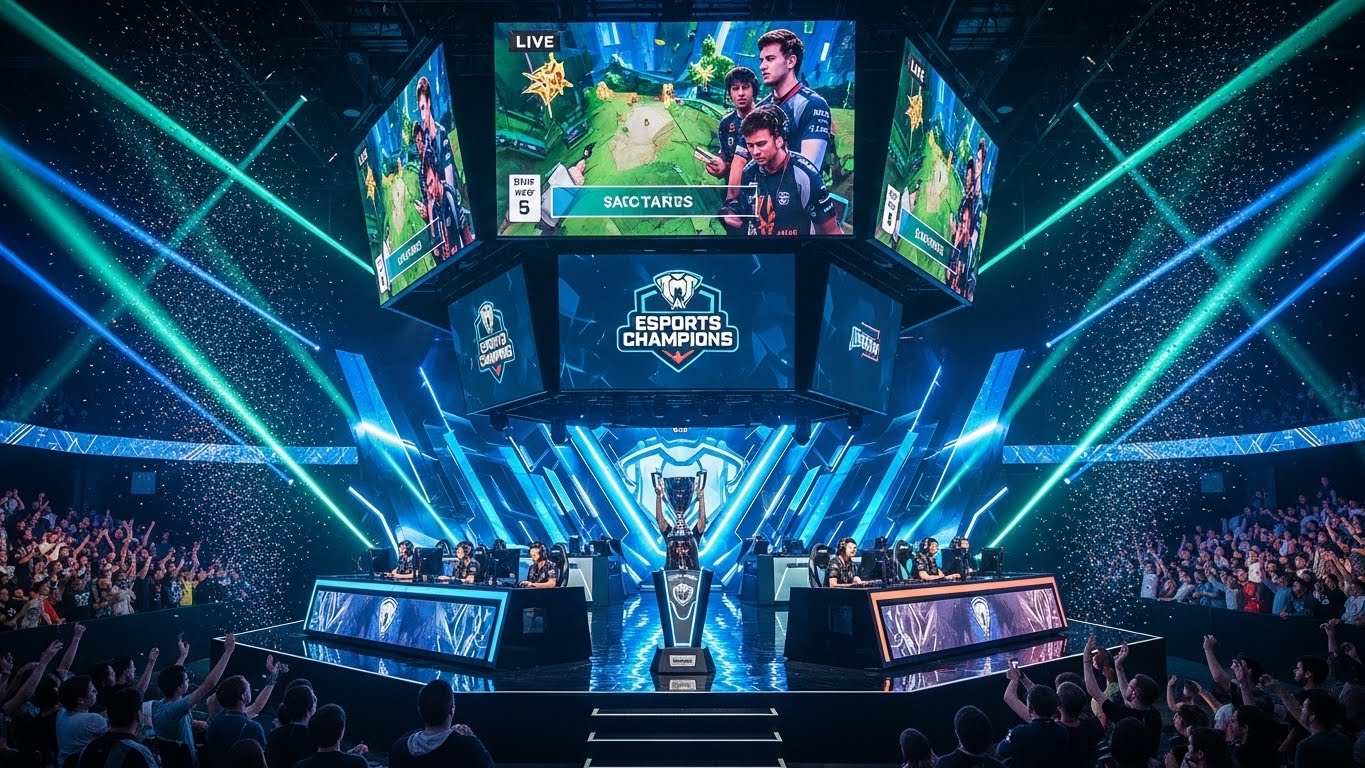
Esports has rapidly transformed from a niche hobby into a global phenomenon that rivals traditional sports in popularity and economic impact. From small online tournaments to massive stadium events watched by millions, competitive gaming has become a cultural and technological powerhouse. This digital revolution has redefined the way people play, watch, and engage with games, creating opportunities for players, organizations, and fans alike.
The Evolution of Esports
Competitive gaming has roots that trace back several decades, but it was initially limited to local tournaments and arcade competitions. Early players gathered in small communities, often communicating through online forums or attending LAN parties to test their skills. The games themselves were simple by today’s standards, but the competitive spirit was as fierce as in any professional sport.
The evolution of high-speed internet and the rise of multiplayer games changed the landscape entirely. Online platforms enabled players from different parts of the world to compete in real time, breaking geographical barriers. Major tournaments emerged, with prize pools that attracted the best talents globally. This evolution marked the beginning of esports as a structured and recognized form of competition.
What Makes Esports So Popular
Esports captivates millions of fans around the world for several reasons. First, the games themselves offer exciting, fast-paced action combined with deep strategy. Each match is unpredictable, filled with moments that can change the outcome within seconds. Fans enjoy analyzing strategies, predicting plays, and celebrating clutch victories, much like traditional sports spectators.
Second, esports has a unique accessibility. Unlike many traditional sports that require expensive equipment or specialized venues, anyone with a computer or console can play or watch competitive games. Online streaming platforms have made it easy to broadcast matches, allowing millions to tune in from anywhere in the world.
Finally, esports fosters community. Fans gather on social media, online forums, and streaming platforms to discuss strategies, celebrate achievements, and support their favorite teams. This sense of belonging and shared passion contributes to the strong and loyal fan base esports enjoys today.
Popular Esports Games
The esports landscape is diverse, with different game genres attracting varied audiences. First-person shooters like Counter-Strike and Call of Duty challenge players’ reflexes and precision. Multiplayer online battle arena games such as League of Legends and Dota 2 emphasize teamwork, strategy, and long-term planning. Sports simulations like FIFA and NBA 2K bring real-world athleticism into the digital arena, offering familiar experiences in a competitive context.
Each genre provides unique challenges for players while keeping spectators engaged. Fast-paced shooters thrill viewers with split-second decisions, while strategic games captivate with complex planning and counterplays. The diversity of games ensures there is something for everyone, from casual viewers to hardcore enthusiasts.
Life of a Professional Esports Player
Becoming a professional esports athlete requires more than just skill with a controller or keyboard. It demands discipline, dedication, and a strategic mindset. Professional players spend hours practicing daily, analyzing gameplay, studying opponents, and maintaining peak physical and mental condition.
Modern esports teams operate like traditional sports organizations. They employ coaches, analysts, nutritionists, and psychologists to ensure players perform at their best. Players must maintain focus under intense pressure, manage public interactions with fans, and adapt to constant changes in games due to updates and patches.
While the lifestyle may seem glamorous, it comes with challenges. Long hours of practice, intense competition, and public scrutiny can be mentally exhausting. However, for those who excel, professional esports offers substantial rewards, including fame, sponsorships, and lucrative tournament winnings.
The Impact of Streaming Platforms
Streaming platforms have been instrumental in esports growth. Platforms such as Twitch and YouTube allow fans to watch live matches, interact with players, and become part of a digital community. The accessibility and interactivity of streaming have transformed the fan experience, making it more engaging than traditional sports broadcasting.
Streaming also provides opportunities for aspiring players to gain recognition. Many professional esports athletes began by broadcasting their own gameplay, gradually building an audience and catching the attention of organizations. These platforms democratize the industry, allowing talent from all over the world to shine.
Moreover, streaming has influenced the culture around esports. Fans can follow their favorite players daily, participate in live chats, and even support them financially. This level of engagement creates a strong bond between players and audiences, fostering loyalty and community growth.
Esports as a Business
The esports industry has evolved into a multi-billion-dollar business. Revenue streams include sponsorships, advertisements, merchandise, tournament winnings, and team branding. Major brands have recognized esports as a way to reach younger audiences who spend considerable time online and engage deeply with digital content.
Esports teams operate like professional sports franchises, managing brand identity, marketing strategies, and fan engagement. Tournaments are organized with high production values, offering lucrative prize pools and attracting global attention. The professionalization of esports has created a thriving ecosystem that supports players, content creators, and business professionals alike.
Investors and corporations are increasingly interested in the industry, funding teams, events, and platforms. This financial support ensures the sustainability and growth of esports, making it one of the most exciting sectors in modern entertainment.
Cultural Influence of Esports
Esports has permeated global culture, influencing entertainment, fashion, and social trends. Top players and streamers have become celebrities, shaping the tastes and habits of millions of fans. Collaborations with fashion brands, music artists, and other media forms have made esports a significant cultural force.
Educational institutions have also recognized esports’ potential. Universities and colleges offer scholarships for esports players and courses on esports management, preparing students for careers in this growing field. The recognition of esports as a legitimate pursuit reflects its broad impact and growing legitimacy.
The cultural influence of esports extends beyond entertainment. It encourages teamwork, strategic thinking, and digital literacy, skills that are valuable in many aspects of modern life. For younger generations, esports is both a passion and a pathway to opportunities in a digital-first world.
Building Communities Through Esports
Community is central to the appeal of esports. Fans form online networks where they discuss games, share strategies, and celebrate achievements. Events and tournaments create spaces for social interaction, connecting people across continents. These communities foster a sense of belonging and shared identity, making esports more than just a game.
Esports also promotes inclusivity. Players of different ages, genders, and backgrounds can participate, creating diverse and dynamic communities. This inclusivity contributes to the rapid growth and acceptance of esports in society.
Challenges in the Esports Industry
Despite its success, esports faces several challenges. Player burnout is a significant concern due to long practice hours and high-pressure competitions. Maintaining mental health and work-life balance is critical for sustained performance.
Another challenge is standardization. Rules, tournament structures, and prize distribution vary across regions and games, creating inconsistencies. Developing unified guidelines could help stabilize the industry and provide clarity for players and fans.
Other issues include fair play, cheating prevention, and financial transparency. Addressing these challenges is essential to maintain credibility and ensure long-term growth.
The Future of Esports
The future of esports looks promising. Advances in technology, such as virtual reality, augmented reality, and artificial intelligence, will transform gameplay and spectator experiences. New game genres and innovative formats will continue to emerge, keeping audiences engaged and expanding the industry.
Esports is also gaining recognition as a legitimate sport. Discussions about inclusion in global sporting events and increasing academic support indicate growing legitimacy. The continued professionalization and mainstream acceptance of esports suggest it will remain a major entertainment and competitive sector for years to come.
The digital nature of esports ensures it will continue to thrive in a connected world. As technology evolves, so will the opportunities for players, fans, and businesses, solidifying esports as a permanent fixture in global culture.
Conclusion
Esports is no longer just a pastime; it is a cultural, technological, and economic force shaping the modern world. From small online matches to international tournaments with millions of viewers, competitive gaming has captured the imagination of people worldwide. Its growth reflects broader trends in technology, entertainment, and community building.
The digital arena continues to expand, offering opportunities for players, fans, and entrepreneurs. Esports has redefined what it means to compete, watch, and engage in sports. The rise of this industry shows that the future of competition is not only physical but digital, and it is unfolding before our eyes.
Esports is more than just games; it is a global movement, a career path, a community, and a testament to the power of human skill in the digital age.