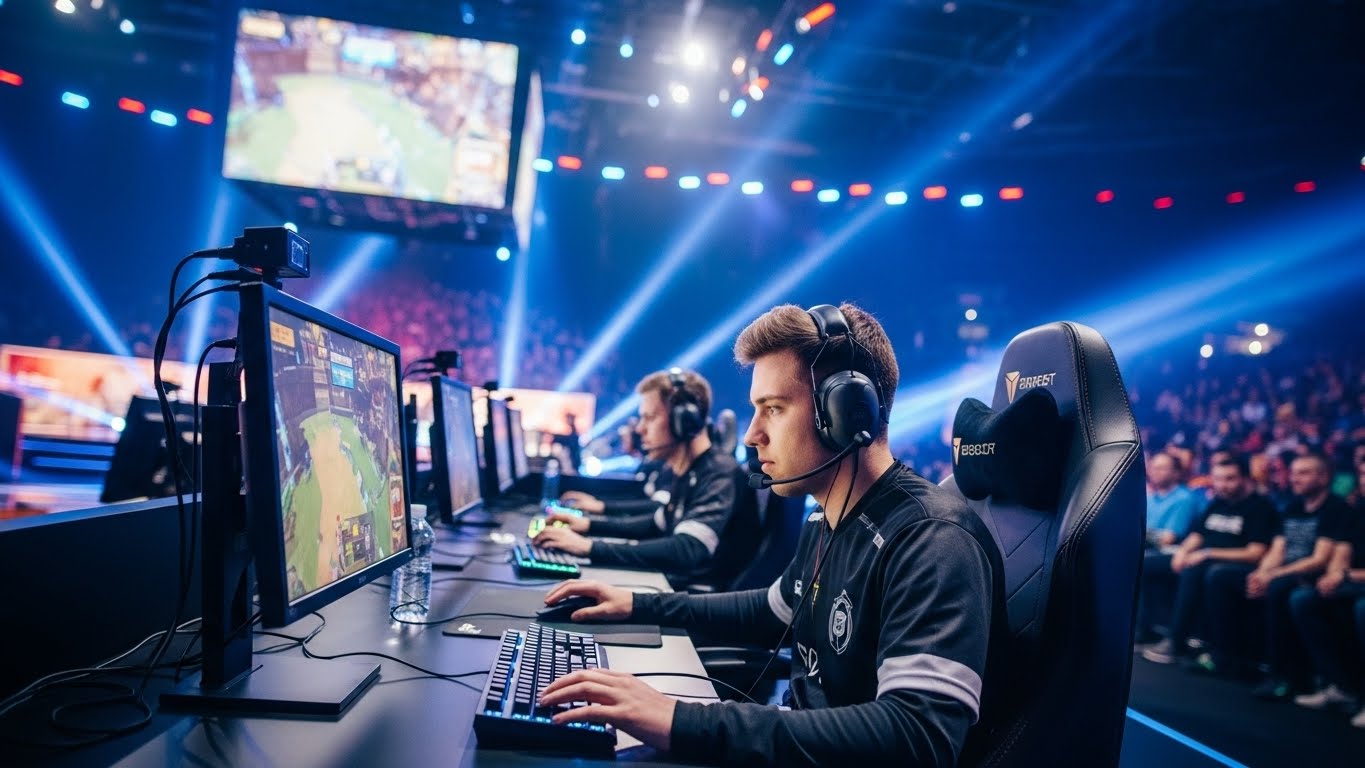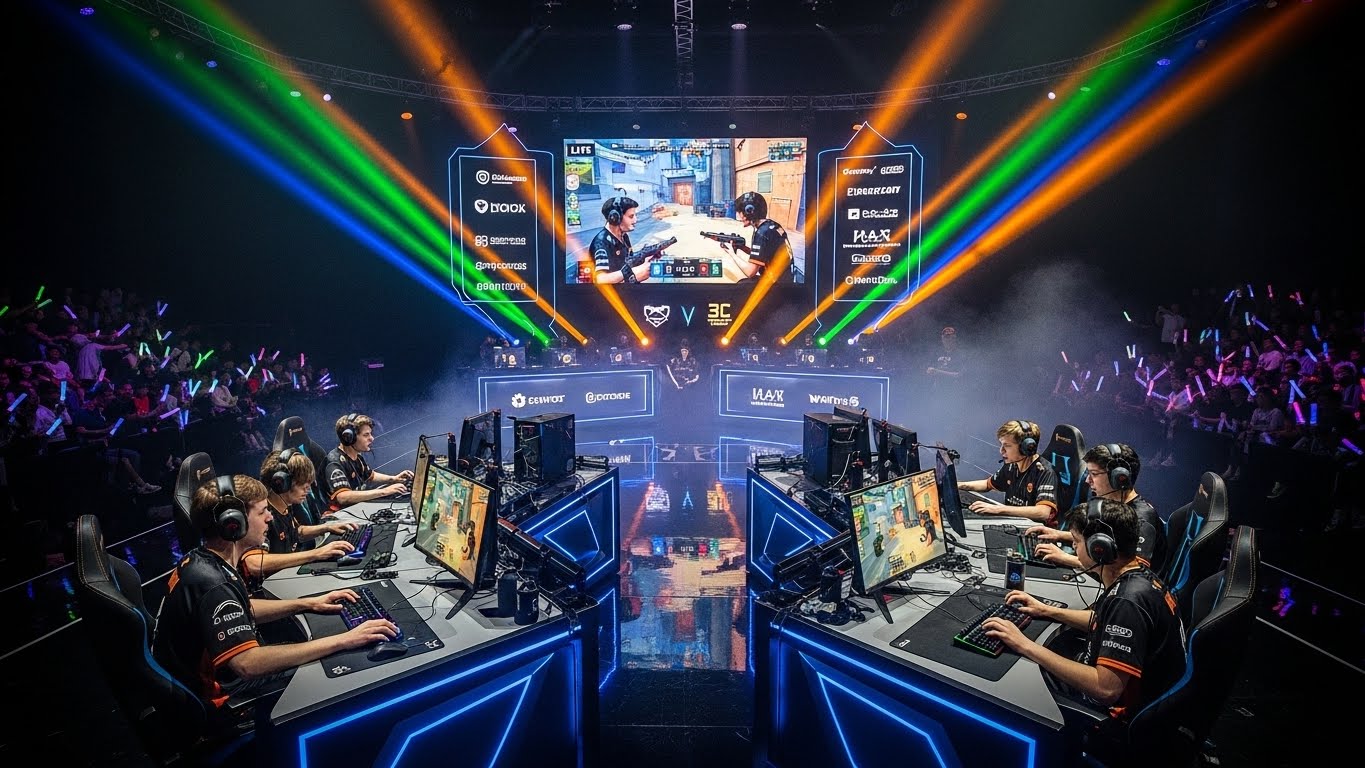

Esports, short for electronic sports, has evolved into one of the most exciting and rapidly growing sectors in the world of entertainment. What began as a niche interest for gamers has now blossomed into a multi-billion-dollar industry, with millions of players, fans, and spectators across the globe. Competitive gaming, once an underground subculture, has now found a home in mainstream media, stadiums, and even universities. As esports continues to rise in prominence, it is reshaping how we view video games, competition, and entertainment as a whole.
In this blog post, we’ll dive deep into the world of esports, exploring its history, growth, impact on culture, the rise of professional players, and what the future holds for this fascinating industry.
The Origins of Esports: A Humble Beginning
Esports’ roots can be traced back to the early days of gaming. In the 1970s and 1980s, arcade gaming was the foundation of competitive gaming. Classic games like Pong, Space Invaders, and Pac-Man saw the first competitive events, though these were often informal and localized. The first major competitive gaming event that can truly be considered an esports tournament took place in 1980, when Atari hosted the Space Invaders Championship across the United States. Thousands of people participated, and the event was broadcast on TV, marking a significant step toward making competitive gaming more mainstream.
However, it wasn’t until the late 1990s and early 2000s that esports really began to take shape. The release of high-speed internet and the rise of online multiplayer games such as StarCraft, Warcraft III, and Quake opened the door to competitive online play. These games allowed players to compete against each other from the comfort of their homes, leading to the formation of online tournaments and leagues. In 2000, the Cyberathlete Professional League (CPL) was formed, hosting some of the first major esports competitions.
The Birth of Esports as a Global Industry
While competitive gaming had a foothold in the 1990s and early 2000s, it wasn’t until the 2010s that esports exploded into the global phenomenon we know today. As internet access became more widespread and streaming platforms like Twitch and YouTube grew in popularity, esports found a natural home for both players and fans. The combination of live streaming, professional leagues, and major sponsorships helped propel esports to new heights.
One of the key turning points for the esports industry came in 2011 with the launch of the League of Legends World Championship, hosted by Riot Games. League of Legends, a multiplayer online battle arena (MOBA) game, quickly became one of the most popular games in the world, with its annual world championship drawing millions of viewers. This marked the beginning of a new era for esports, as it highlighted the potential of competitive gaming to attract not just players but also large global audiences.
By the mid-2010s, esports had garnered sponsorships from major brands, such as Coca-Cola, Intel, and Red Bull, solidifying its place in the mainstream entertainment ecosystem. Large-scale events like the The International (for Dota 2) and Fortnite World Cup attracted millions of dollars in prize money and viewership from around the world. Esports was no longer just for hardcore gamers—it was now a legitimate form of entertainment that could rival traditional sports in terms of viewership and financial backing.
The Structure of Esports: Teams, Leagues, and Tournaments
At the heart of esports is its competitive structure, which mirrors that of traditional sports. Esports competitions are typically organized around teams or individual players who compete in various games across different genres. These events range from local tournaments to large international championships with multi-million-dollar prize pools.
1. Professional Teams and Players
Esports has seen the emergence of professional teams that compete in various games, much like traditional sports teams in football or basketball. Teams like Team Liquid, Cloud9, Fnatic, and SK Telecom T1 have become household names in the esports world, with players signing contracts, earning salaries, and participating in international tournaments. These teams often have dedicated coaches, analysts, and support staff to help players improve their skills and develop strategies for competition.
Professional players, or “pro gamers,” are at the center of the esports ecosystem. These individuals often dedicate their lives to their respective games, spending countless hours practicing, strategizing, and competing. Just like athletes in traditional sports, pro gamers undergo intense training regimens, travel to events around the world, and represent their teams in high-stakes competitions. The most successful pro gamers can earn substantial incomes, not only from tournament winnings but also from sponsorships, streaming, and merchandise sales.
2. Esports Leagues and Tournaments
Esports tournaments and leagues are the backbone of the competitive gaming scene. Each game typically has its own set of tournaments and seasons, some of which are organized by the game developers themselves and others by third-party organizations. These tournaments feature the best teams and players from around the world, competing for large cash prizes and prestige.
For instance, The International, the premier Dota 2 tournament, offers one of the largest prize pools in esports, often exceeding $30 million. Similarly, League of Legends has its annual World Championship, which draws millions of viewers and is broadcast in multiple languages.
In addition to these international tournaments, many games have their own professional leagues. The Overwatch League and the Call of Duty League are examples of franchised leagues that are structured much like traditional sports leagues, with teams representing cities or organizations, and regular seasons culminating in playoffs and championships.
These leagues and tournaments are often streamed live on platforms like Twitch, YouTube, and Facebook, allowing fans to watch their favorite players and teams in action. The rise of live streaming has played a significant role in the growth of esports, enabling fans to follow competitions from anywhere in the world.
The Role of Streaming and Online Communities
Streaming platforms like Twitch, YouTube Gaming, and Facebook Gaming have become integral to the esports ecosystem. These platforms not only provide a venue for live broadcasts of tournaments but also allow gamers to stream their gameplay to an audience, creating opportunities for players to build personal brands, engage with fans, and even earn a living through sponsorships and donations.
Twitch, in particular, has become the go-to platform for esports content. Streamers and professional players alike use Twitch to broadcast live gameplay, interact with their audiences, and host tournaments. The community-driven nature of these platforms has fostered a culture of engagement, where fans can communicate directly with players, ask questions, and discuss strategies in real-time.
In addition to streaming, online communities play a crucial role in the growth of esports. Websites, forums, and social media groups allow fans to discuss tournaments, share highlights, and support their favorite players and teams. Esports has created a new type of fandom that transcends geographic and cultural boundaries, with millions of fans connecting online to share their love of gaming.
Esports and Traditional Sports: The Blurring of Boundaries
One of the most exciting developments in the esports world is its growing intersection with traditional sports. Esports is no longer viewed as a niche or secondary form of entertainment—it is now considered a legitimate form of sport, with professional organizations, leagues, and sponsorships that rival traditional sports in scale.
Several major sports franchises and media outlets have invested heavily in esports. For example, the NBA has launched its own esports league, the NBA 2K League, where teams representing NBA franchises compete in the popular NBA 2K basketball video game. Similarly, traditional sports networks like ESPN have begun broadcasting esports events, with The International and League of Legends becoming regular fixtures on sports television.
Moreover, esports and traditional sports share many similarities in terms of fan engagement, team dynamics, and player development. Both require a high level of skill, strategy, and teamwork, and both offer spectators a chance to witness intense competition at the highest level. The rise of esports has led to new forms of fan engagement, with esports athletes gaining celebrity status and sponsorships from major brands like Red Bull, Intel, and Coca-Cola.
The Economic Impact of Esports
Esports is not just a cultural phenomenon—it is a booming industry with a substantial economic impact. The global esports market is expected to surpass $1.5 billion in revenue in the coming years, driven by sponsorships, media rights, merchandise sales, and ticket sales. Companies like Intel, Samsung, and Razer invest millions into esports events, recognizing the value of reaching a young, tech-savvy audience.
Sponsorships play a major role in the financial success of esports. Brands looking to target gamers and young adults see esports as an effective platform for advertising. Teams and tournaments receive funding from both endemic gaming companies (like hardware manufacturers and game developers) and non-endemic brands (such as automobile manufacturers, fast-food chains, and clothing brands).
Esports has also created numerous job opportunities, from professional players and coaches to broadcasters, analysts, event organizers, and marketing specialists. The rise of esports has given birth to an entirely new industry with a wide range of career paths, contributing to the overall growth of the global economy.
The Future of Esports: What’s Next?
As esports continues to expand, the future looks incredibly bright. Several trends suggest that esports will only become more prominent in the coming years:
1. Increased Integration with Traditional Sports
As mentioned earlier, esports is increasingly becoming intertwined with traditional sports. We can expect to see more professional sports teams and organizations invest in esports, either by establishing their own teams or by sponsoring existing ones. The crossover between esports and traditional sports is likely to continue, with esports events being broadcast on mainstream sports networks