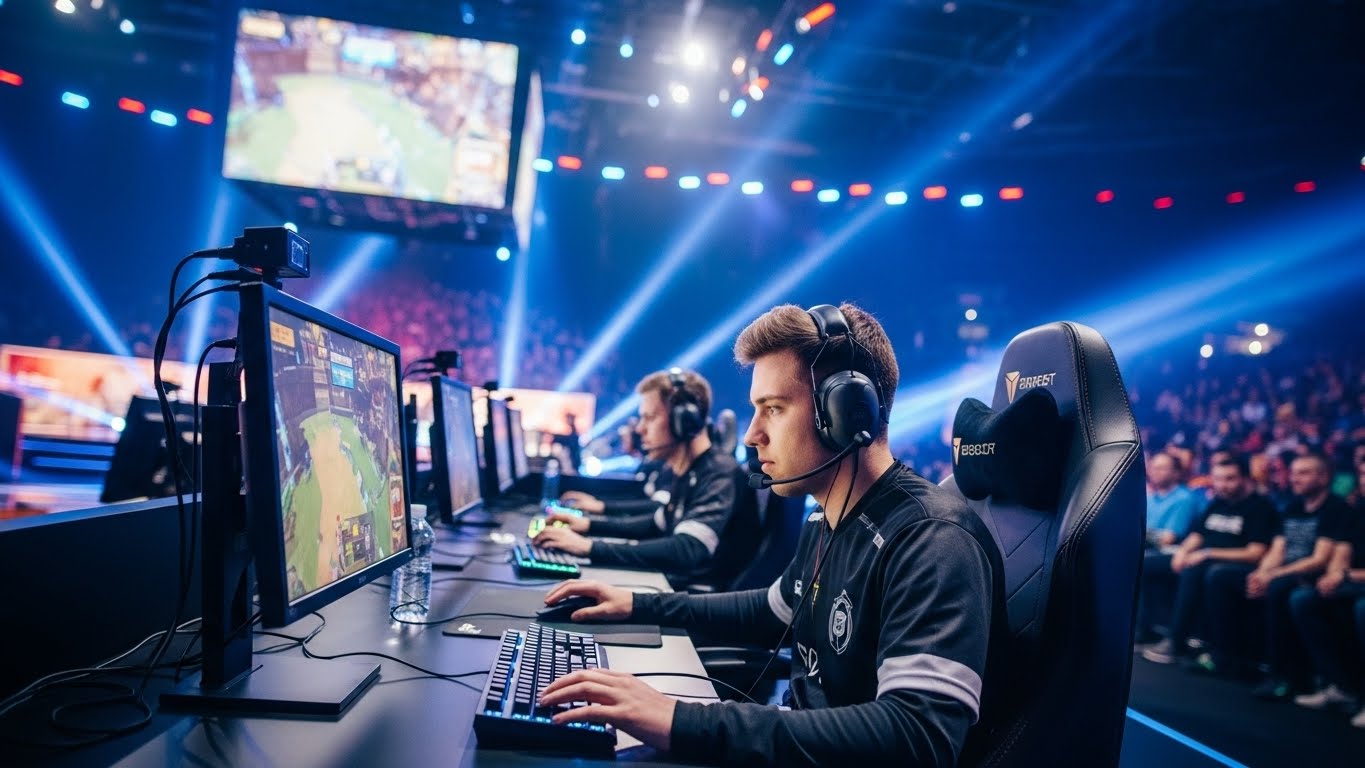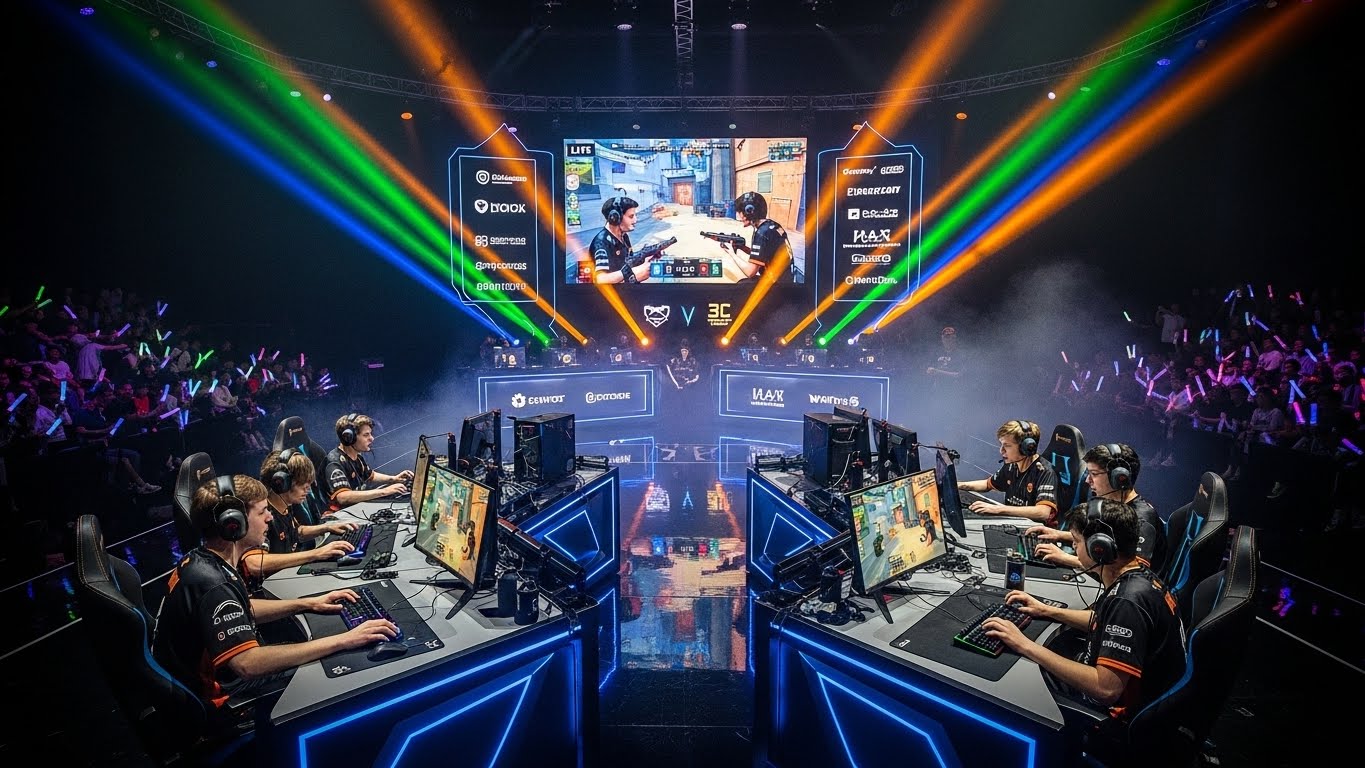

Esports, or competitive gaming, has emerged as one of the fastest-growing entertainment industries in the world. What once began as a niche hobby among gamers has evolved into a global phenomenon, attracting millions of players, fans, and investors. From online tournaments to professional leagues and streaming platforms, esports has transformed the way people engage with gaming, sports, and entertainment. This blog explores the evolution of esports, its impact on culture and society, technological advancements, economic significance, and what the future holds for this rapidly expanding industry.
The Origins of Esports
The concept of competitive gaming dates back to the late 1970s and 1980s when early video games such as Pong, Space Invaders, and Pac-Man gained popularity. The first organized video game competitions were small-scale events held at arcades or local gaming centers, where players competed for bragging rights and modest prizes.
The 1990s marked a turning point with the rise of networked computers and multiplayer games. Titles such as Doom, Quake, and StarCraft introduced competitive online play, enabling gamers to compete with others beyond their local communities. These early tournaments laid the foundation for modern esports, establishing the framework for structured competitions, rules, and rankings.
The Growth of Professional Esports
The 2000s saw the professionalization of esports. Major tournaments with large prize pools began to attract top-tier players and teams. Esports organizations emerged, providing structured training, sponsorships, and management, similar to traditional sports teams.
Games such as League of Legends, Counter-Strike, Dota 2, and Overwatch became staples in competitive gaming. These titles not only required skill, strategy, and teamwork but also provided a spectator-friendly experience, fueling the growth of dedicated esports audiences. Professional esports leagues and world championships solidified the legitimacy of gaming as a competitive and career-oriented pursuit.
The Role of Streaming and Digital Platforms
One of the key drivers of esports’ global popularity has been streaming platforms. Platforms such as Twitch, YouTube Gaming, and other live-streaming services allowed players to broadcast gameplay, connect with fans, and build communities.
Streaming transformed esports from a niche competitive scene into mainstream entertainment. Fans could now watch professional matches, follow their favorite players, and engage with content in real-time. The interactive nature of streaming—through live chat, donations, and fan participation—enhanced engagement and created a sense of community that traditional sports rarely offered.
Esports as a Career Path
Esports has created a variety of career opportunities beyond being a professional player. Players now have access to sponsorships, merchandise deals, coaching positions, and content creation opportunities. Additionally, roles such as tournament organizers, commentators, analysts, team managers, and marketing professionals contribute to the thriving esports ecosystem.
The increasing financial viability of esports has encouraged younger generations to consider gaming as a legitimate career path. Top players earn substantial salaries, prize winnings, and endorsement deals, demonstrating that competitive gaming can rival traditional sports in both recognition and economic potential.
The Social Impact of Esports
Esports has a profound social dimension, connecting people globally through shared interests and competition. Online gaming communities foster collaboration, teamwork, and friendship, bridging geographical and cultural divides.
Esports also promotes inclusion and accessibility. Unlike traditional sports, esports requires minimal physical ability, making it accessible to individuals with disabilities or those who cannot participate in conventional athletic activities. The diverse player base contributes to a sense of belonging and shared identity within the esports community.
The Economic Significance of Esports
The economic impact of esports has grown exponentially over the last decade. Global esports revenue includes tournament prize pools, media rights, sponsorships, merchandise sales, and advertising. Major tournaments such as The International for Dota 2 and the League of Legends World Championship feature prize pools exceeding millions of dollars.
Esports has also stimulated job creation in technology, media, marketing, event management, and software development. Its integration with streaming platforms, digital content, and gaming technology makes it a significant driver of economic growth and innovation. Investors increasingly view esports as a sustainable and lucrative industry with long-term potential.
Esports and Technology
Technology plays a critical role in esports. High-speed internet, advanced gaming hardware, powerful graphics engines, and real-time analytics allow players to compete at the highest level. Esports tournaments rely on technology to ensure fair play, provide instant replays, and deliver high-quality broadcasts to millions of viewers worldwide.
Virtual reality and augmented reality are emerging as new frontiers in competitive gaming, offering immersive experiences and expanding the possibilities of esports formats. Additionally, artificial intelligence is used to analyze player performance, develop strategies, and optimize training routines, raising the competitive standard across the industry.
The Cultural Influence of Esports
Esports has influenced popular culture in profound ways. It has inspired music, fashion, media, and lifestyle trends among younger generations. Professional players have become global celebrities, and gaming tournaments are now major cultural events broadcast to millions worldwide.
Esports has also reshaped perceptions of gaming, moving it from a casual hobby to a competitive and respected pursuit. It demonstrates that skill, strategy, and dedication in digital arenas are on par with physical sports, highlighting the evolving definition of athleticism in the modern world.
Esports and Education
Esports has found a place in education, with schools and universities incorporating competitive gaming into their programs. Collegiate esports leagues offer scholarships, team competitions, and training opportunities, similar to traditional sports programs.
Educational institutions use esports to teach strategic thinking, teamwork, digital literacy, and leadership. Students develop problem-solving skills and gain experience in event management, broadcasting, and technology, preparing them for careers in the growing esports ecosystem.
Esports and Mental Skills
Success in esports requires mental acuity, strategy, and focus. Players must process information quickly, make split-second decisions, and coordinate with teammates under pressure. Cognitive skills such as pattern recognition, spatial awareness, and critical thinking are essential to competitive performance.
Esports also fosters discipline, resilience, and adaptability. Players must train consistently, analyze mistakes, and respond to dynamic game environments. These mental skills translate beyond gaming, demonstrating that esports develops valuable cognitive and life skills.
The Future of Esports
The future of esports is promising, with continued growth expected in technology, audience engagement, and professional opportunities. Integration with emerging technologies such as virtual reality, augmented reality, and AI will create more immersive and dynamic competitions.
Global expansion into new regions, increased media coverage, and recognition by mainstream sports organizations will further elevate esports’ status. Collaboration with traditional sports, inclusion in multi-sport events, and ongoing innovation will solidify esports as a central element of modern entertainment.
Sustainability, accessibility, and diversity will also shape the future of esports. Inclusive policies, support for women and differently-abled players, and global outreach programs will ensure that esports remains accessible and equitable for all participants.
Challenges Facing Esports
Despite its rapid growth, esports faces several challenges. Maintaining fair competition and preventing cheating or hacking is critical for the integrity of tournaments. Health concerns, such as eye strain, sedentary behavior, and mental fatigue, must also be addressed through proper training and wellness programs.
Another challenge is achieving mainstream recognition and parity with traditional sports. While esports has made significant strides, it must continue to demonstrate legitimacy, ethical standards, and societal value to gain broader acceptance.
Esports as a Global Phenomenon
Esports has become a truly global phenomenon, connecting millions of players and fans across continents. Online tournaments allow international participation, creating diverse and inclusive communities. The global audience for esports continues to expand, with viewers tuning in to watch live events, streams, and tournaments from every corner of the world.
Esports transcends language, culture, and geography, demonstrating the universal appeal of competition, skill, and entertainment. Its global reach highlights its significance not just as a gaming trend but as a cultural and economic force shaping modern society.
Conclusion: Esports Redefining Competition
Esports represents the evolution of competition in the digital age. It combines skill, strategy, teamwork, and entertainment, providing players and fans with an experience that rivals traditional sports. From grassroots tournaments to professional leagues and global championships, esports has grown into a dynamic industry with cultural, social, and economic significance.
As technology advances, audiences expand, and opportunities for players diversify, esports will continue to redefine what it means to compete, excel, and entertain in the modern world. Its impact on education, mental development, community building, and global connectivity ensures that esports is more than just a game—it is a transformative force shaping the future of sports, entertainment, and human interaction.
Esports is no longer a niche hobby; it is a mainstream phenomenon that celebrates skill, strategy, and creativity on a global scale. Its rise demonstrates that the future of competition extends beyond physical arenas into digital landscapes, where passion, dedication, and innovation redefine the boundaries of play.