Introduction: Esports as the New Frontier
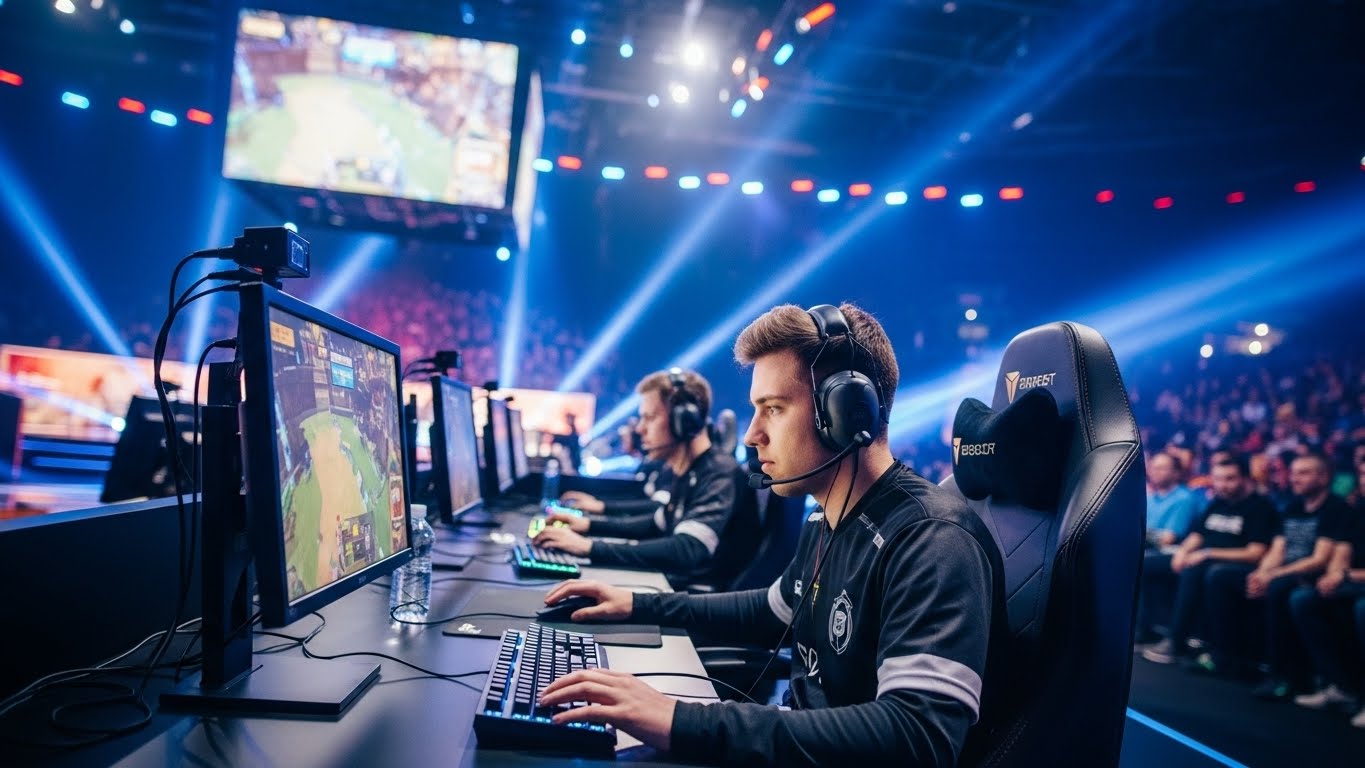
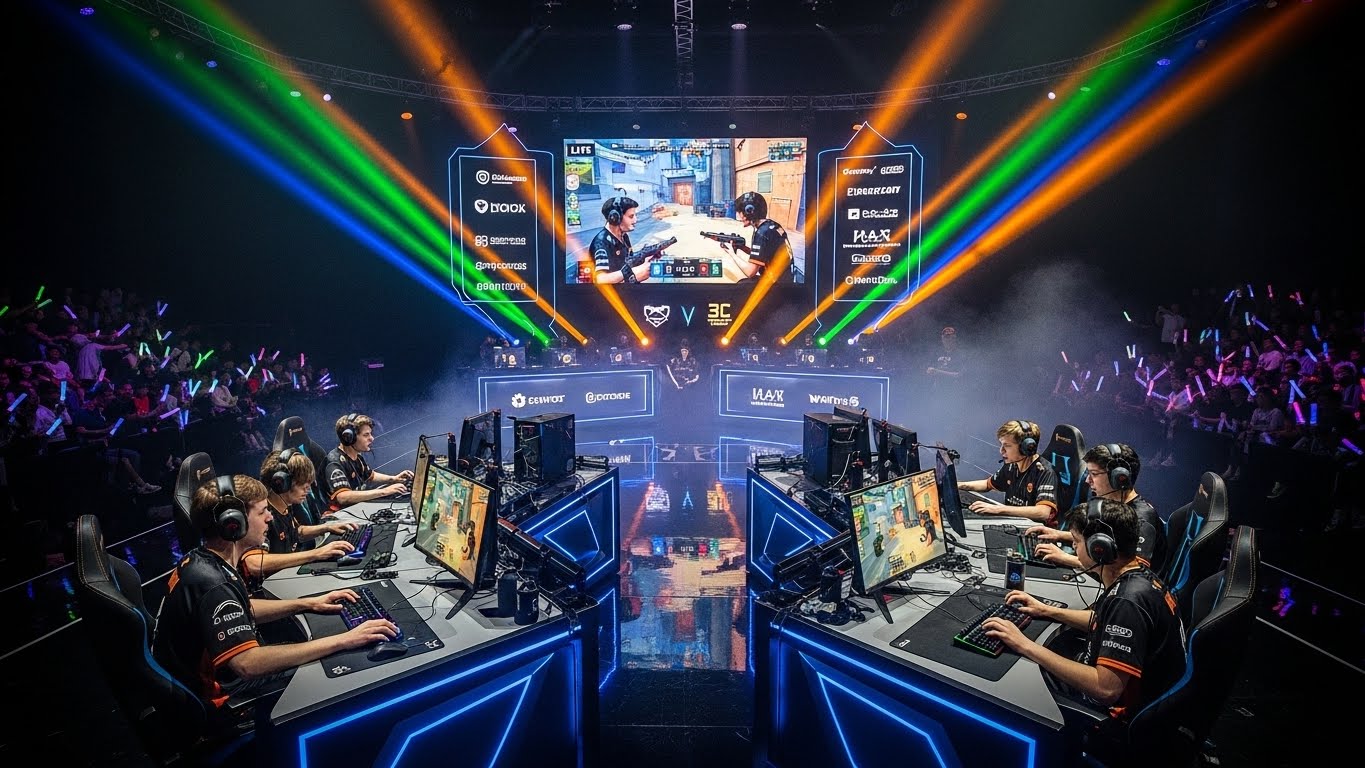
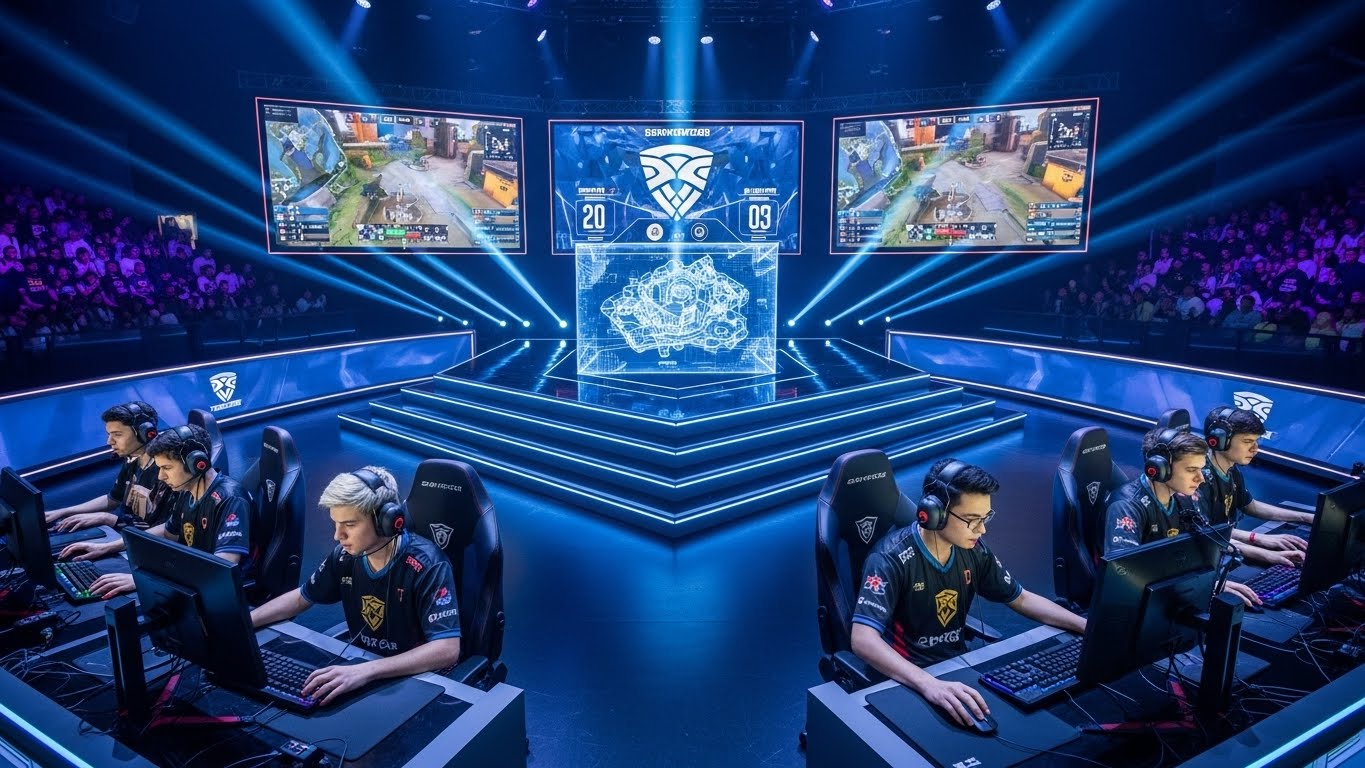
In the last decade, esports has transformed from a niche hobby into a global phenomenon, captivating millions of players and fans worldwide. What was once dismissed as casual gaming is now recognized as a legitimate form of competition, requiring skill, strategy, and mental toughness. Esports combines technology, athleticism, and entertainment in a way that transcends traditional sports. The industry continues to grow at an unprecedented pace, reshaping how people perceive competition and redefining the boundaries of professional gaming.
The Origins and Evolution of Esports
The roots of esports can be traced back to the 1970s when arcade competitions attracted enthusiastic crowds. Early video games like Space Invaders and Pac-Man inspired local tournaments, setting the foundation for organized competitive gaming. The 1990s marked a turning point with the rise of networked multiplayer games such as Quake and StarCraft. Players began competing online, forging communities that spanned cities and countries. By the early 2000s, esports had evolved into a structured industry, with leagues, sponsorships, and professional players gaining recognition. Today, esports tournaments fill stadiums, are broadcast to millions online, and offer prize pools that rival those of traditional sports.
The Popularity and Reach of Esports
Esports has achieved global reach unlike any other form of digital entertainment. Platforms such as streaming services allow fans to watch tournaments live from anywhere in the world. Popular games like League of Legends, Dota 2, Counter-Strike, and Fortnite have created vast competitive ecosystems where players and teams achieve celebrity status. The accessibility of esports is also a key factor in its popularity. Unlike traditional sports that require physical infrastructure, esports can be played anywhere with a computer or console and an internet connection. This inclusivity has attracted a diverse audience, from casual viewers to serious competitors, all sharing the thrill of competition.
The Professionalization of Esports
Professional esports has grown into a highly structured and competitive industry. Top-tier players dedicate hours each day to rigorous practice, often under the guidance of coaches, analysts, and nutritionists. Teams operate similarly to traditional sports franchises, with contracts, sponsorship deals, and brand management. Competitive integrity is maintained through strict rules, anti-cheating measures, and performance monitoring. The professionalism of esports has elevated the status of gamers, turning them into role models and influencers who inspire aspiring players worldwide.
Economic Impact and Career Opportunities
Esports is more than just a game; it is a multi-billion-dollar industry that creates a variety of career opportunities. Professional players, coaches, and analysts are just the beginning. The ecosystem includes event organizers, commentators, content creators, marketing specialists, and game developers. Sponsorships, merchandise sales, and media rights contribute to significant revenue streams. Major tournaments offer prize pools exceeding millions of dollars, drawing top talent from around the globe. The economic potential of esports extends beyond players, supporting entire industries and encouraging innovation in technology, media, and entertainment.
The Psychological and Strategic Dimensions
Success in esports requires a combination of mental acuity, strategic thinking, and adaptability. Unlike traditional sports, where physical attributes dominate, esports relies heavily on reaction time, decision-making, and coordination. Players must anticipate opponents’ moves, adapt strategies in real-time, and maintain focus under pressure. Team-based games emphasize communication, cooperation, and role specialization, teaching skills that extend beyond the gaming arena. The psychological resilience required in esports mirrors that of elite athletes, as players face high-stakes situations, public scrutiny, and the need for consistent performance.
Esports and Technology: A Symbiotic Relationship
Esports and technology are inseparable, each driving the other forward. High-speed internet, advanced gaming hardware, and powerful graphics engines enable competitive gaming at unprecedented levels. Streaming platforms and social media amplify the reach of tournaments, connecting fans and players in real-time. Artificial intelligence and analytics are increasingly used to enhance training, analyze opponent strategies, and optimize gameplay. Virtual reality and augmented reality promise to take esports to new immersive levels, creating experiences that blur the line between digital and physical realities.
The Social and Cultural Influence of Esports
Esports is more than competition; it is a cultural phenomenon. Online communities foster interaction, friendship, and collaboration among players across the world. Memes, fan art, and shared experiences have created a unique digital culture that transcends borders. Esports also challenges traditional perceptions of sports, prompting society to reconsider what defines athleticism, skill, and competition. Educational institutions are beginning to integrate esports programs, providing scholarships and developing curricula that combine gaming expertise with leadership and business skills. This cultural shift highlights the growing legitimacy and acceptance of esports in mainstream society.
Challenges Facing the Esports Industry
Despite its rapid growth, esports faces significant challenges. Player burnout, mental health issues, and the pressure to perform consistently are prevalent concerns. The fast-paced nature of games can lead to repetitive strain injuries, sleep deprivation, and social isolation if not managed properly. Additionally, the industry grapples with issues such as cheating, toxic behavior in online communities, and maintaining competitive fairness. Regulatory frameworks are still evolving, and there is a need for standardized policies to ensure player welfare, fair play, and sustainable growth of the industry.
Women in Esports: Breaking Barriers
Historically, esports has been male-dominated, but female participation is steadily increasing. Women are carving out a space in competitive gaming, content creation, and team management. Organizations and tournaments specifically designed to promote gender inclusivity are emerging, challenging stereotypes and creating role models for future generations. Encouraging diversity in esports enhances creativity, broadens perspectives, and strengthens the overall community. The success of female gamers demonstrates that skill, strategy, and dedication are universal, not limited by gender.
The Future of Esports
The future of esports is filled with potential and innovation. Integration with emerging technologies such as virtual reality, artificial intelligence, and advanced analytics will continue to redefine competition and fan engagement. Educational programs and professional training academies will cultivate new talent and elevate standards of performance. Esports is also likely to become increasingly intertwined with traditional sports, with collaborations, crossover events, and hybrid tournaments blending physical and digital competition. As the industry matures, esports will continue to push boundaries, creating opportunities for entertainment, career development, and cultural impact on a global scale.
Conclusion: The Lasting Impact of Esports
Esports is no longer a niche hobby; it is a global movement that combines technology, competition, and culture in unprecedented ways. From humble beginnings in arcades to stadium-filling tournaments, esports has proven that gaming can be both serious and inspiring. It offers career opportunities, fosters community, and challenges traditional ideas of skill and athleticism. As technology evolves and society embraces the digital age, esports will continue to grow, inspiring millions to pursue excellence, teamwork, and passion. In the world of esports, the future is limitless, and the game has only just begun.