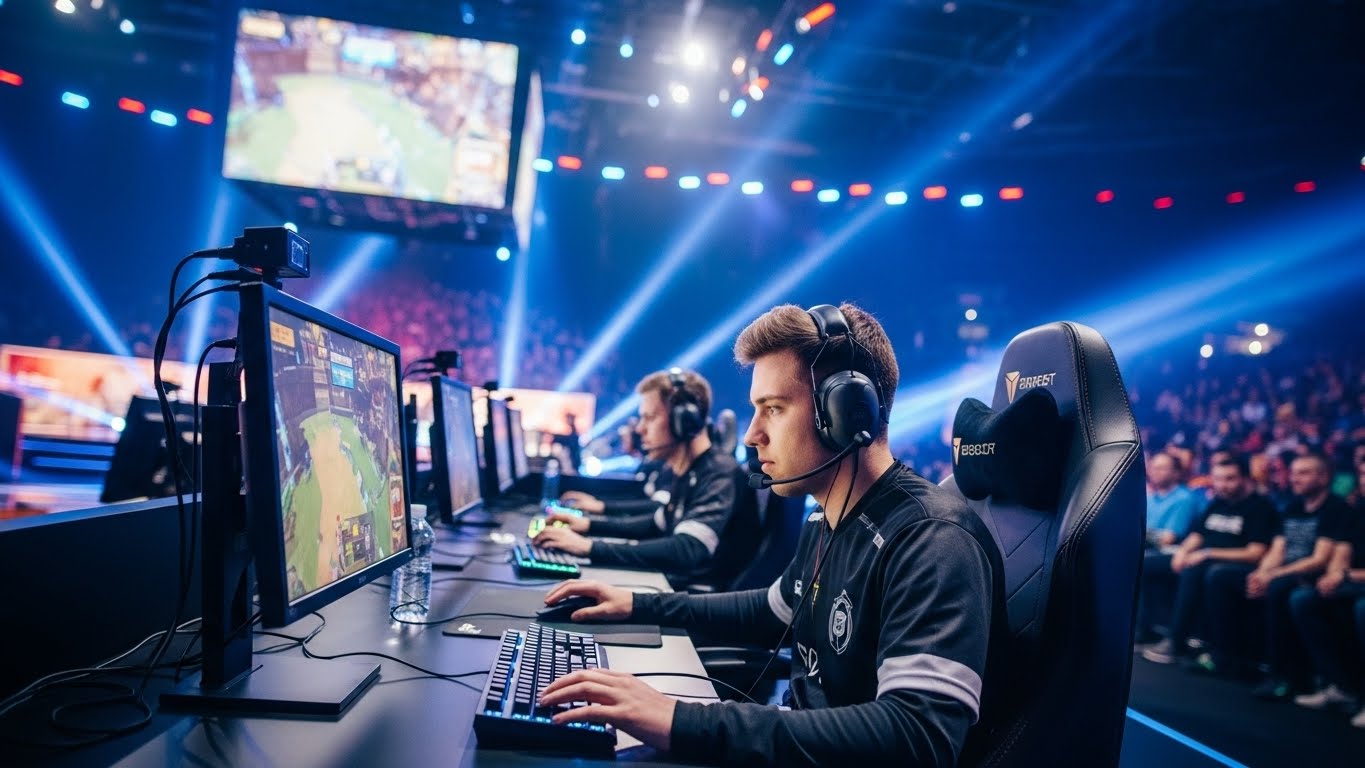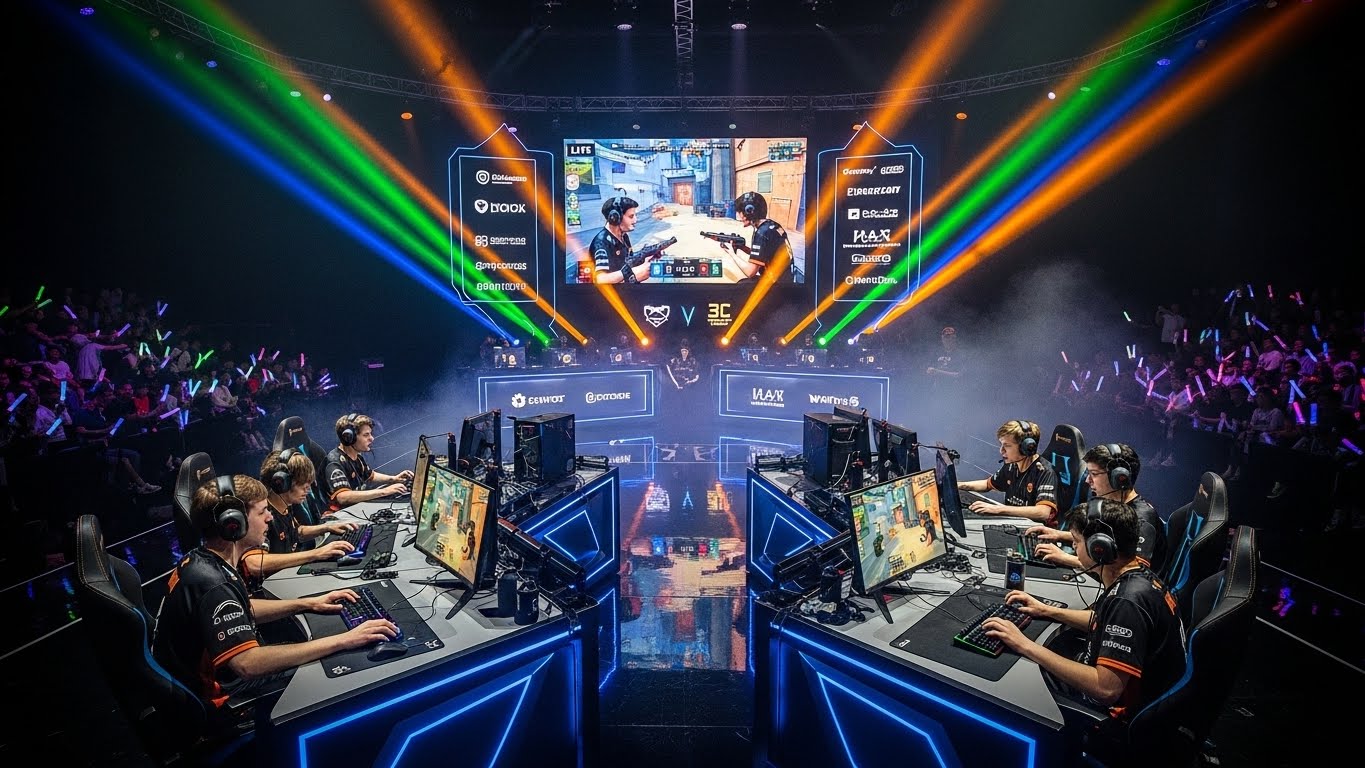

Esports has transformed from a niche pastime into a global phenomenon, captivating millions of fans and generating billions of dollars in revenue each year. What started as casual gaming competitions has grown into a professional industry with structured leagues, sponsorships, and dedicated stadiums. Esports is no longer just entertainment; it is a cultural, social, and technological force reshaping how people engage with games and each other. This blog post delves into the rise of esports, its cultural significance, and the factors driving its extraordinary growth.
The Origins of Esports
The history of esports dates back to the 1970s and 1980s, when gaming competitions were first introduced in arcades and on early computers. In 1972, the first known video game competition took place for the game Spacewar, attracting a small but passionate group of participants. While these early events were modest, they laid the foundation for competitive gaming as a form of organized entertainment.
In the 1990s, the rise of networked computers and early online platforms brought a new dimension to competitive gaming. Titles like Quake, StarCraft, and Counter-Strike allowed players from different locations to compete against each other, sparking the first online esports communities. These games emphasized skill, strategy, and teamwork, elements that remain central to esports today.
The Evolution of Professional Esports
Esports became truly professional in the early 2000s, with the creation of structured tournaments and leagues. Organizations began to sponsor players and teams, providing salaries and resources to compete at the highest level. South Korea played a pivotal role in this transformation, with games like StarCraft becoming national sensations. Professional players were celebrated like athletes, with rigorous training schedules, coaching staff, and dedicated fan bases.
Over the years, esports has expanded beyond South Korea, reaching North America, Europe, and other regions. Today, tournaments are broadcast to millions of viewers worldwide, with games like League of Legends, Dota 2, and Fortnite drawing massive audiences. The professionalization of esports has elevated competitive gaming to a career path, offering players opportunities for fame, financial stability, and personal growth.
The Role of Technology in Esports
Technology has been central to the growth of esports. High-speed internet, powerful gaming hardware, and advanced streaming platforms have made it possible for players to compete globally and for fans to watch events live. Platforms like Twitch and YouTube Gaming allow viewers to interact with professional players, follow tournaments, and even participate in community events.
Moreover, technology has enhanced gameplay through improved graphics, physics, and performance tracking. Players now rely on sophisticated tools for training, analyzing opponents, and perfecting strategies. The integration of technology ensures that esports remains dynamic, competitive, and accessible to a worldwide audience.
Esports as a Spectator Sport
Esports has redefined the concept of a spectator sport. Unlike traditional sports, which require physical presence or extensive broadcast infrastructure, esports can be watched online from anywhere in the world. Spectators enjoy live commentary, expert analysis, and interactive experiences that enhance engagement.
Major tournaments now fill arenas, with fans cheering for their favorite teams and players. Events like The International, League of Legends World Championship, and Fortnite World Cup attract tens of thousands of attendees in person and millions online. The spectator aspect of esports creates a sense of community, bringing fans together to celebrate skill, strategy, and competition.
The Cultural Impact of Esports
Esports has become a cultural force, influencing fashion, music, and entertainment. Professional players are not just athletes; they are influencers, trendsetters, and role models for younger generations. Merchandise, fan art, and cosplay contribute to a vibrant culture that extends beyond the games themselves.
The popularity of esports has also challenged traditional perceptions of gaming. Once dismissed as a hobby for a select few, competitive gaming is now recognized as a legitimate career and form of entertainment. Schools and universities have begun offering scholarships for esports players, emphasizing strategy, teamwork, and dedication as valuable skills. This cultural shift reflects the growing legitimacy and influence of esports in society.
Esports and the Economy
Esports has developed into a billion-dollar industry, attracting investments from sponsors, advertisers, and media companies. Prize pools for major tournaments now reach millions of dollars, providing significant incentives for players and teams. Sponsorship deals with technology companies, energy drink brands, and lifestyle products further boost revenue streams.
The economic impact of esports extends beyond the players. Event organizers, game developers, production teams, content creators, and marketing professionals all benefit from the growth of competitive gaming. As a result, esports has created a new ecosystem of careers and opportunities, fueling innovation and entrepreneurship.
Training and Discipline in Esports
Contrary to the stereotype of casual gaming, professional esports players follow rigorous training regimens. Daily practice can range from six to twelve hours, focusing on mechanics, strategy, communication, and mental resilience. Teams employ coaches, analysts, and psychologists to optimize performance and maintain well-being.
This level of discipline mirrors traditional sports. Players must maintain focus, adapt to opponents’ strategies, and work as a cohesive unit. The intensity and commitment required in esports highlight the professionalism and dedication that define this rapidly growing field.
Women in Esports
Historically, esports has been male-dominated, but female participation is steadily increasing. Women are making their mark as professional players, streamers, commentators, and industry leaders. Organizations are creating inclusive initiatives to support female gamers, emphasizing equal opportunities, representation, and community support.
Highlighting diversity in esports benefits the industry as a whole. It broadens the audience, fosters creativity, and promotes a culture of inclusion. As more women enter competitive gaming, esports continues to evolve as a more representative and dynamic space.
The Psychological and Social Aspects of Esports
Esports is not only about competition but also about mental acuity and social interaction. Strategy, decision-making, and teamwork are essential for success. Players must maintain focus under pressure, adapt to rapidly changing situations, and coordinate effectively with teammates.
The social dimension is equally important. Esports communities offer opportunities for collaboration, mentorship, and shared experiences. Fans connect over live streams, forums, and social media, creating a sense of belonging and shared enthusiasm. This social and psychological engagement underscores the multifaceted appeal of esports as both a pastime and a profession.
Challenges Facing the Esports Industry
Despite its rapid growth, esports faces several challenges. Maintaining fairness and integrity is a constant concern, with cheating, match-fixing, and performance-enhancing tools posing threats to credibility. Player health and burnout are also significant issues, given the intense training schedules and high-pressure environment.
Additionally, regulatory frameworks are still developing. The industry must navigate questions related to contracts, intellectual property, taxation, and labor rights. Addressing these challenges is essential to ensure that esports remains sustainable, fair, and beneficial for players, organizers, and fans alike.
The Future of Esports
The future of esports is promising, with continued growth, technological innovation, and cultural recognition on the horizon. Virtual reality and augmented reality games may introduce entirely new formats for competition. Artificial intelligence could enhance training, strategy analysis, and matchmaking.
Esports may also become more integrated with mainstream sports and entertainment. Collaborations with traditional athletes, music artists, and media franchises are already blurring the lines between gaming, culture, and business. As the industry evolves, esports will likely expand its influence, offering immersive experiences, global competition, and opportunities for creativity and connection.
Conclusion: Esports as a Global Phenomenon
Esports has evolved from small-scale competitions to a global phenomenon that entertains, connects, and inspires millions. It is a testament to human creativity, technological innovation, and the desire for competition. Beyond the games themselves, esports fosters communities, creates careers, and challenges traditional perceptions of sports and entertainment.
The industry’s growth reflects a cultural shift where digital experiences hold immense value, both economically and socially. As esports continues to expand, it will remain a dynamic space where talent, dedication, and innovation thrive. For players and fans alike, esports is more than a game—it is a vibrant, transformative world that reshapes the way we play, watch, and connect with others.
Esports represents the convergence of skill, strategy, and community. It highlights the potential of gaming as a professional pursuit and a cultural force. The journey of esports is just beginning, and its impact on technology, society, and entertainment will continue to grow, defining the future of competitive gaming for generations to come.