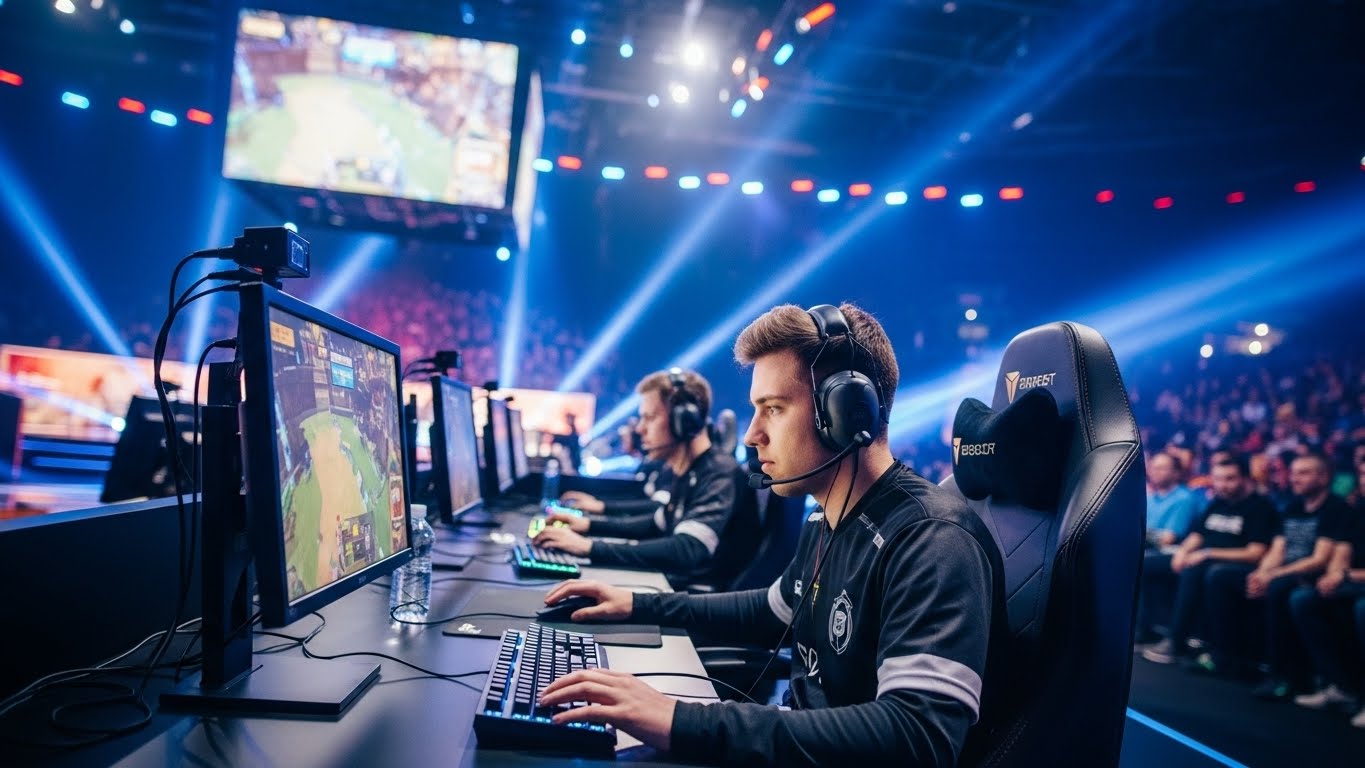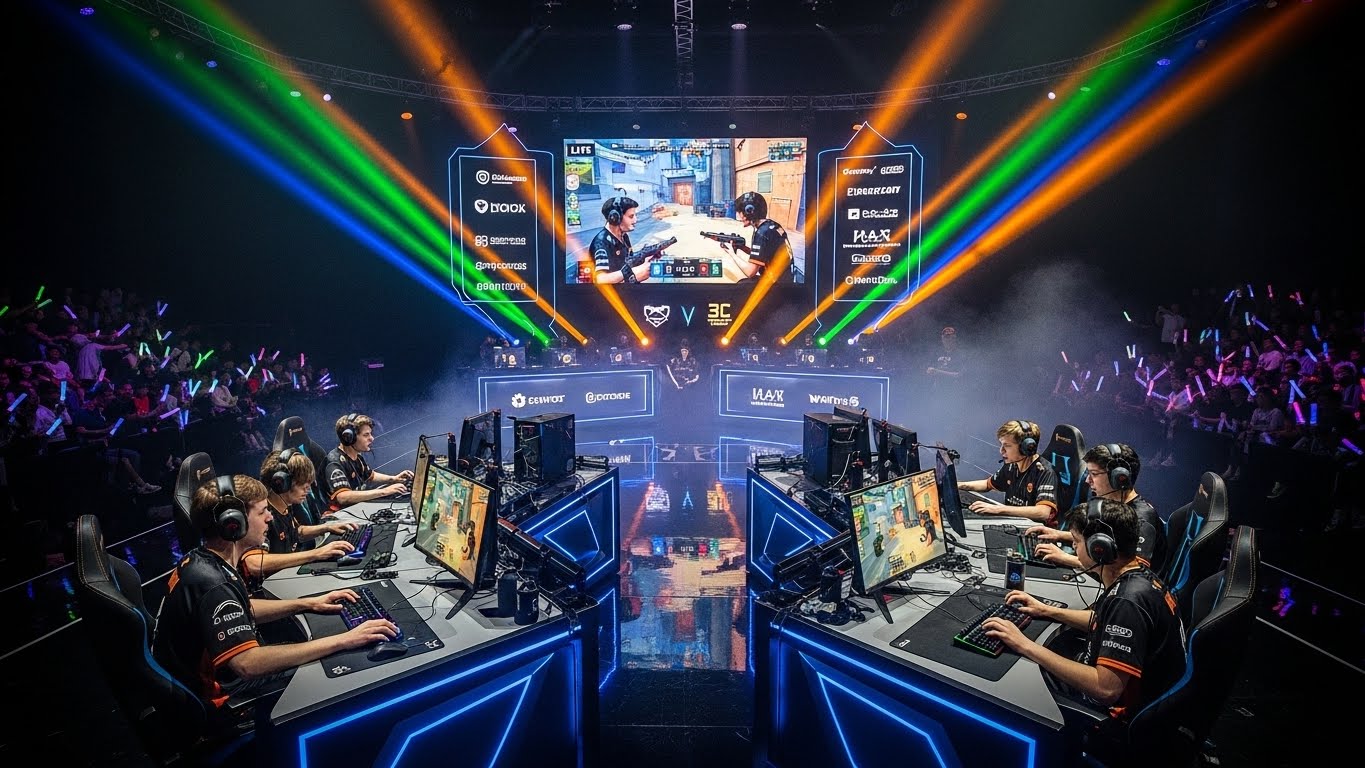
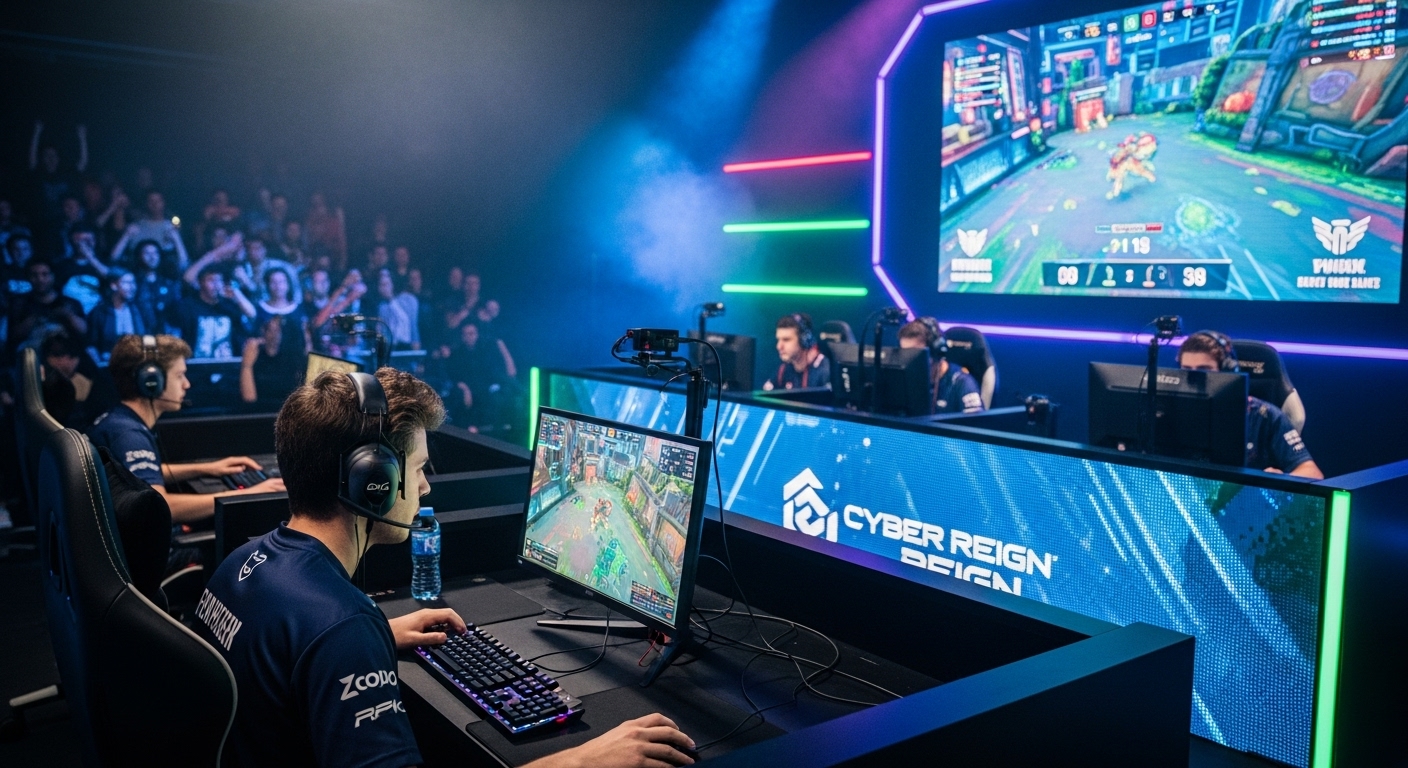
Esports has rapidly transformed from a niche hobby into a global phenomenon. What was once considered casual gaming has evolved into a professional, highly competitive industry that draws millions of viewers and players worldwide. With tournaments, sponsorships, and streaming platforms, esports is redefining entertainment, career opportunities, and the way we perceive competitive gaming.
The Rise of Esports
Esports, or electronic sports, refers to organized competitive video gaming. The concept emerged in the 1990s with local tournaments and small-scale competitions, but the industry truly exploded with the growth of the internet and live streaming. Today, major esports tournaments fill stadiums, attract international audiences, and offer prize pools rivaling traditional sports events. Games like League of Legends, Dota 2, and Counter-Strike have become household names in competitive gaming.
Popular Esports Genres
Esports is not limited to one type of game. Popular genres include multiplayer online battle arenas (MOBAs), first-person shooters (FPS), real-time strategy (RTS), and sports simulations. MOBAs like Dota 2 and League of Legends require teamwork, strategy, and fast decision-making. FPS games like Counter-Strike and Valorant emphasize reflexes, precision, and coordination. Sports simulations allow players to compete in digital versions of real-world sports, making esports accessible to traditional sports enthusiasts as well.
The Professional Esports Ecosystem
Professional esports players are athletes in their own right. They train rigorously, strategize with coaches, and compete in tournaments with high stakes. Teams and organizations support players with sponsorships, marketing, and management. Streaming platforms enable players to build personal brands and connect with fans globally. Esports is not only about gaming skill—it’s also about discipline, teamwork, and mental resilience.
The Social and Cultural Impact
Esports has created a vibrant culture and community. Fans engage with their favorite players and teams through live streams, forums, and social media. Esports also provides opportunities for social interaction and collaboration, as online communities form around shared interests. Moreover, the industry has influenced mainstream culture, inspiring merchandise, media content, and even academic programs focused on gaming and esports management.
The Future of Esports
The future of esports looks bright and expansive. Virtual reality and augmented reality may create more immersive competitive experiences. Mobile esports continues to grow, making competitive gaming accessible to a wider audience. With the rise of global tournaments and increased sponsorship, esports is on track to become a staple in the entertainment industry, comparable to traditional sports in both recognition and influence.
Conclusion
Esports is more than a pastime—it’s a dynamic industry that merges competition, technology, and entertainment. It has transformed gaming into a legitimate professional career and created communities that span the globe. As esports continues to grow, it will shape the future of digital entertainment, offering endless opportunities for players, fans, and innovators alike.