Introduction
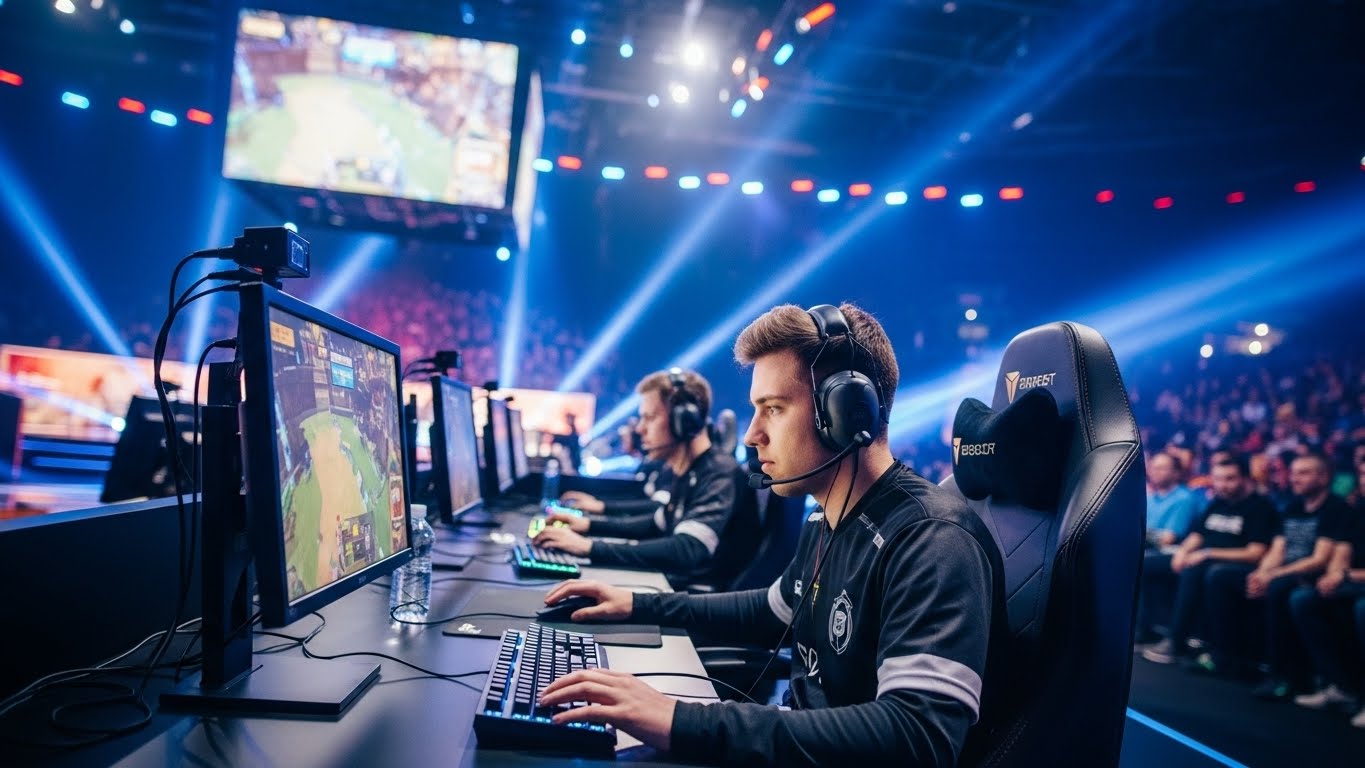
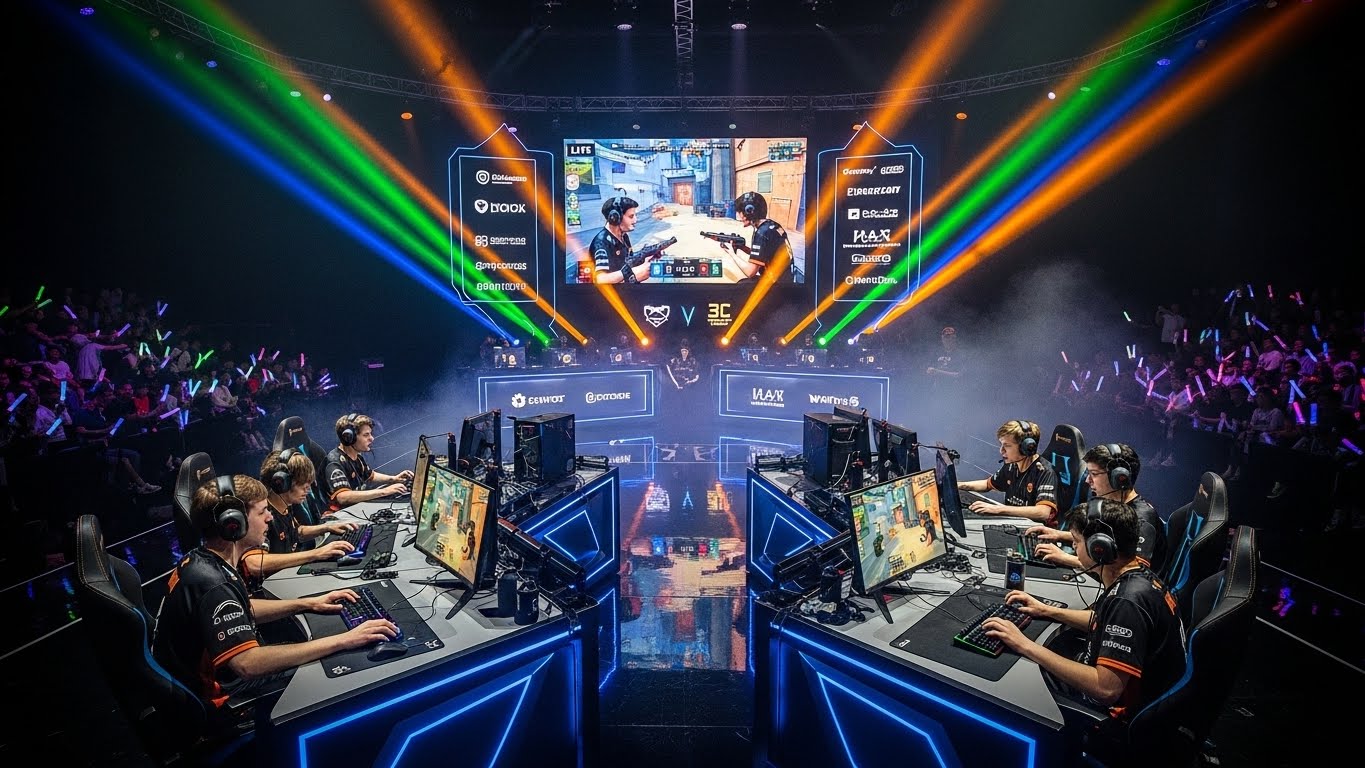
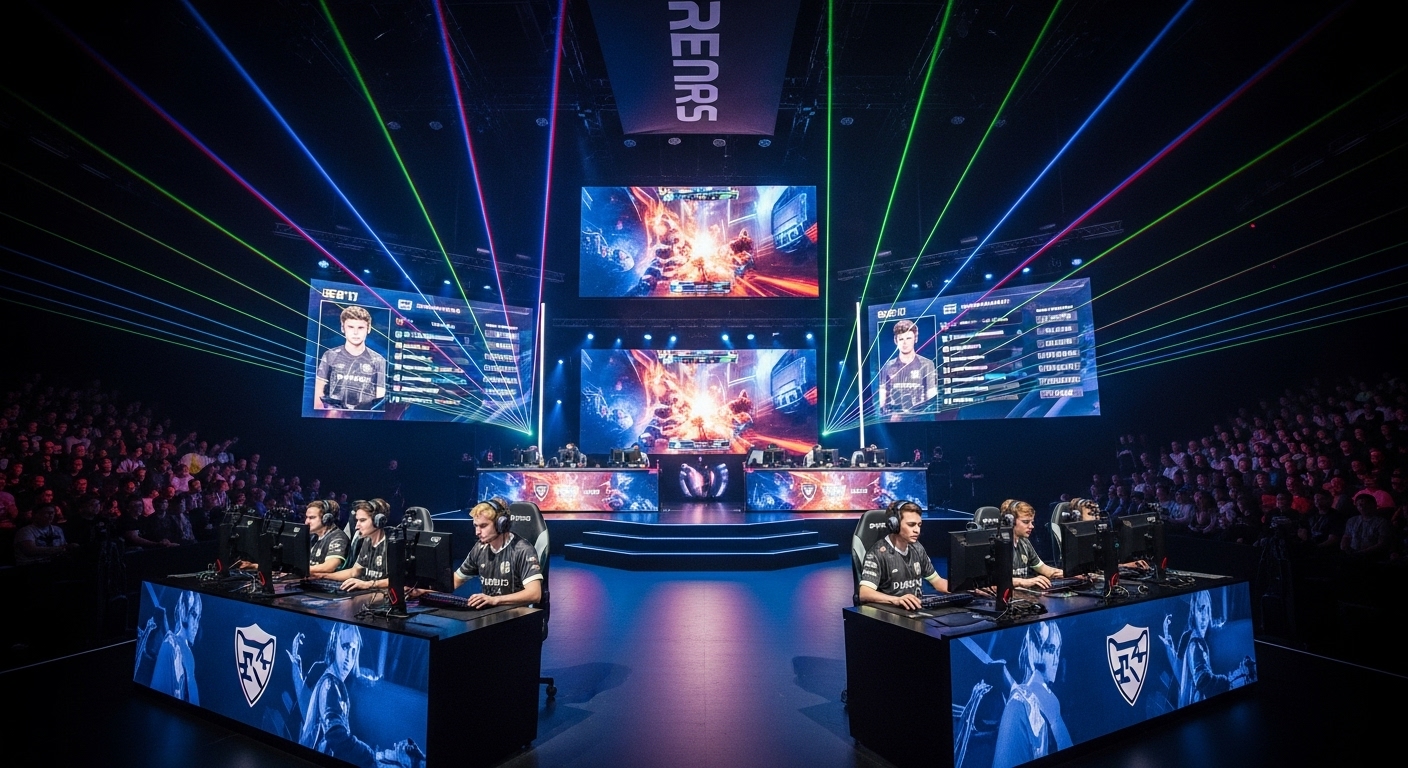
Esports, or competitive video gaming, has evolved from niche hobby to a global phenomenon. What was once considered casual entertainment is now a professional industry attracting millions of players, fans, and investors worldwide. Esports tournaments fill stadiums, streaming platforms broadcast live matches to massive audiences, and professional players achieve celebrity status similar to traditional athletes. Beyond the excitement of gameplay, esports reflects broader social, technological, and cultural trends. This blog explores the multifaceted world of esports, examining its growth, impact on youth and communities, economic significance, technological advancements, and the future of competitive gaming.
The Origins and Evolution of Esports
The roots of esports can be traced back to the early days of arcade competitions and local video game tournaments in the 1970s and 1980s. Games like Pong and Space Invaders attracted small groups of competitive players, but it wasn’t until the rise of multiplayer PC games and consoles in the 1990s that esports began to gain significant traction. Titles such as StarCraft, Counter-Strike, and Quake laid the foundation for modern competitive gaming by establishing structured tournaments and ranking systems. With the advent of live streaming platforms in the 2000s, esports became accessible to global audiences, transforming local competitions into worldwide events. Today, esports encompasses a wide range of games, from strategy and shooter games to fighting and sports simulations, appealing to diverse audiences across continents.
Esports as a Professional Career
Esports is no longer just a pastime—it is a viable professional career. Professional players dedicate hours each day to practice, strategy, and teamwork, similar to traditional athletes. Top-tier esports professionals compete in tournaments with prize pools reaching millions of dollars. Beyond gameplay, careers in esports extend to coaching, team management, broadcasting, content creation, and event organization. Universities and educational programs now offer esports scholarships, providing opportunities for young players to combine education with competitive gaming. The professionalization of esports reflects a broader acceptance of gaming as a legitimate industry and career path.
The Role of Streaming Platforms in Esports Growth
Streaming platforms have been crucial in the expansion of esports. Services that allow players to broadcast live gameplay attract millions of viewers, creating a global fanbase and enabling real-time interaction. Platforms provide not only entertainment but also educational content, where aspiring players can learn strategies, techniques, and insights from top professionals. Community building is another essential feature, as fans connect through chats, social media, and fan groups, fostering loyalty and engagement. Streaming has transformed esports from a localized activity into a worldwide spectacle, blurring the lines between gaming, entertainment, and social interaction.
The Influence of Esports on Youth Development
Esports offers unique opportunities for skill development among young players. Competitive gaming requires strategic thinking, quick reflexes, teamwork, and problem-solving. Players develop cognitive skills such as memory, attention, and multitasking while learning how to collaborate with teammates under high-pressure scenarios. Esports also encourages perseverance and resilience, as players learn from mistakes and adapt strategies to improve performance. While screen time and physical activity are considerations for parents, structured esports programs can provide positive, educational, and socially engaging experiences for youth.
Community and Social Connections Through Esports
One of the most important aspects of esports is the sense of community it fosters. Players and fans connect over shared interests, forming local and global communities. Online teams and guilds offer social interaction, mentorship, and teamwork, creating bonds that extend beyond the screen. Esports conventions, tournaments, and fan meetups further strengthen these communities, providing spaces for networking, collaboration, and celebration. Unlike traditional sports, esports enables players to connect across geographic boundaries, building a truly global social network based on shared passion for gaming.
Technological Advancements Driving Esports
Technology is at the heart of esports growth. High-performance gaming hardware, virtual reality, advanced software, and high-speed internet have transformed the gaming experience. Data analytics allow players to study performance metrics, strategize, and refine techniques, similar to professional sports teams. Streaming technology enables live interaction with audiences, while virtual event platforms allow for global competitions without physical attendance. Innovations in graphics, AI, and interactive platforms continue to elevate the esports experience for both players and fans, ensuring the industry remains at the forefront of technological progress.
Economic Impact of Esports
Esports has become a multibillion-dollar global industry, influencing investment, employment, and entertainment markets. Sponsorship deals with gaming brands, technology companies, and lifestyle products provide substantial revenue for professional teams and event organizers. Merchandise sales, ticketed events, and online content creation contribute to a thriving economic ecosystem. Cities hosting major tournaments experience boosts in tourism and hospitality sectors. Esports also creates diverse job opportunities, including commentators, coaches, analysts, marketing specialists, and event coordinators. The industry’s economic significance demonstrates its legitimacy as both an entertainment and business sector.
Esports and Inclusivity
Unlike many traditional sports, esports offers opportunities for inclusivity. Players of all genders, physical abilities, and ages can compete on a level playing field, with skill and strategy determining success. Adaptive technology has allowed players with disabilities to participate in competitive gaming, broadening the accessibility of esports. The rise of female-focused leagues and initiatives further highlights efforts to promote diversity and representation. By creating inclusive environments, esports challenges traditional barriers in sports and fosters equitable opportunities for competition.
Esports as a Cultural Phenomenon
Esports has become a cultural force that influences music, fashion, media, and entertainment. Popular games inspire fan art, memes, music collaborations, and even cinematic productions. Professional players achieve celebrity status, appearing in mainstream media and collaborating with influencers. Esports events are not merely competitions—they are cultural festivals, combining gameplay with entertainment, merchandise, and social interaction. This cultural integration demonstrates the profound influence esports has on modern society and how it continues to shape youth culture and media consumption habits.
Health and Well-being Considerations
While esports offers cognitive and social benefits, it also raises considerations about physical and mental health. Extended screen time, sedentary behavior, and the pressure of competition can impact health if not managed properly. Professional teams now employ fitness coaches, nutritionists, and psychologists to maintain players’ physical and mental well-being. Structured training schedules, regular exercise, and balanced lifestyles are increasingly emphasized, showing that health and performance are interconnected. Responsible participation ensures that esports remains a sustainable and positive activity for players at all levels.
The Future of Esports
The future of esports promises continued growth and innovation. Virtual reality, augmented reality, and AI-driven gameplay will revolutionize the player experience, making competitions more immersive and interactive. Esports will continue to expand in education, with schools and universities integrating gaming programs to teach teamwork, strategy, and technology skills. Global accessibility will increase, connecting players from all regions and backgrounds. As esports matures, it is likely to become an integral part of mainstream entertainment, blending gaming, media, and social interaction into a dynamic global phenomenon.
Conclusion
Esports represents a transformative evolution in the way people play, compete, and connect. It has shifted from a niche hobby to a professional industry, influencing culture, technology, and community engagement. Beyond competition, esports teaches valuable life skills, fosters inclusivity, and builds global communities united by passion and strategy. As technology advances and the industry grows, esports will continue to redefine entertainment, challenge traditional notions of sports, and provide opportunities for players, fans, and professionals worldwide. The rise of esports is more than a trend—it is a testament to the power of gaming as a medium for human connection, innovation, and shared experience.