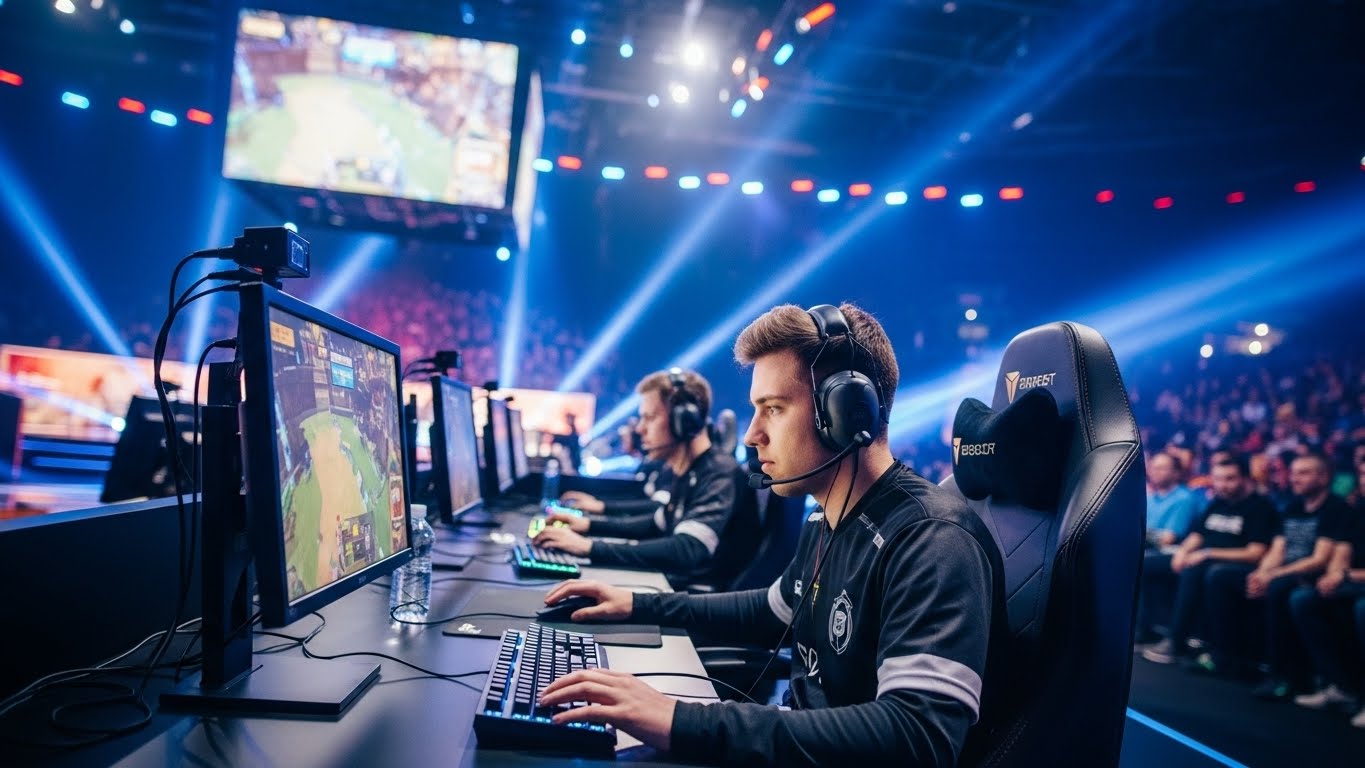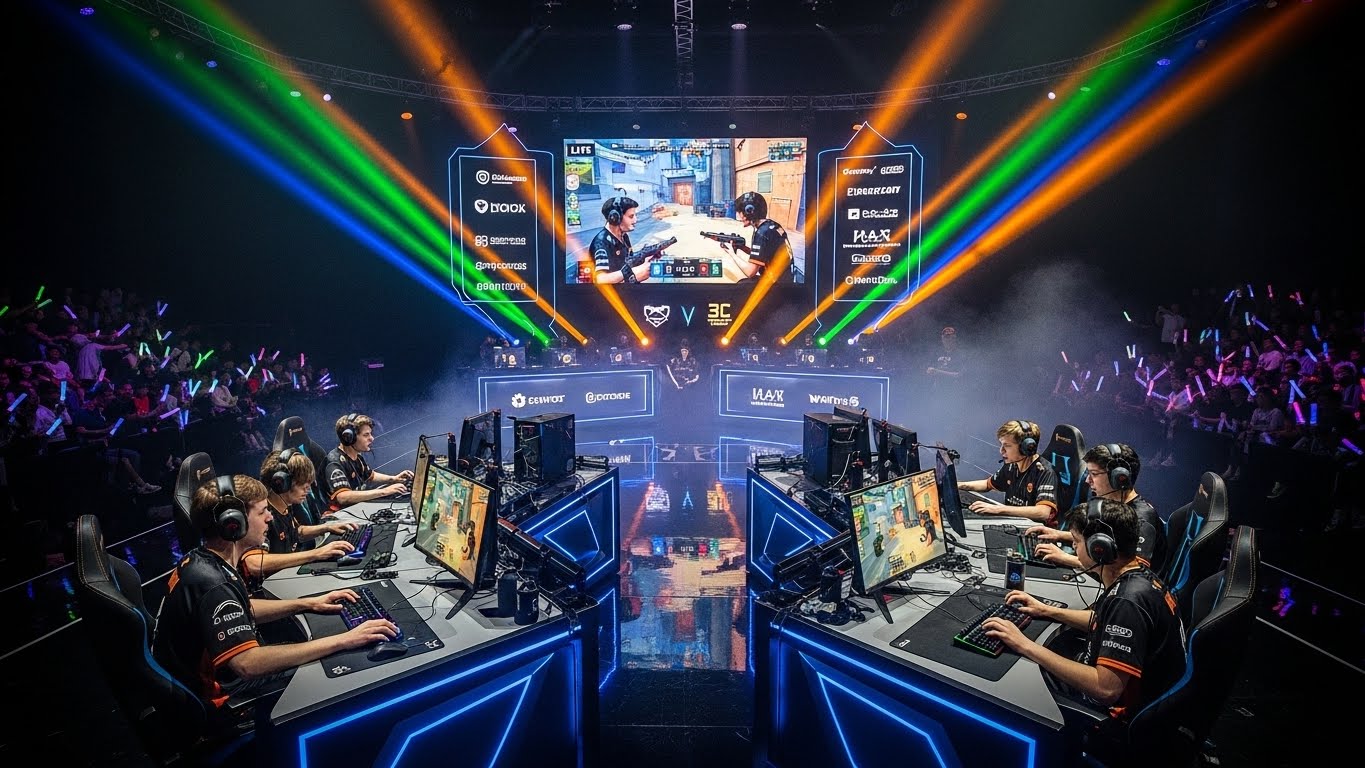

In the last two decades, the world of competitive gaming, better known as esports, has evolved into a multi-billion-dollar industry that is shaping the future of both sports and entertainment. Esports refers to organized multiplayer video game competitions, particularly between professional players, individually or as teams. What began as a subculture for gaming enthusiasts has blossomed into an international phenomenon that rivals traditional sports in terms of viewership, sponsorship, and prize money. But what exactly is driving this meteoric rise? And how has esports transformed from a hobby to a global entertainment spectacle?
The Origins of Esports: Humble Beginnings
The story of esports is closely tied to the growth of video gaming itself. In the early days of the gaming industry, multiplayer games were mostly limited to local networks or land-based connections, where players would gather in small communities and compete with one another. However, as technology advanced, online gaming became possible, and the concept of playing against someone from across the globe became a reality.
One of the earliest recorded examples of competitive gaming took place in the 1970s, when a game called Space Invaders had its first tournament, organized by the company that created the game. It may have been a simple event, but it laid the foundation for what would eventually become a thriving competitive scene. Through the 1980s and 1990s, various titles such as Quake, StarCraft, and Warcraft started to gain a following among professional and semi-professional players.
The real turning point came in the early 2000s with the advent of games that were designed specifically for competition. Titles like Counter-Strike, League of Legends, and Dota 2 opened the floodgates for serious tournaments, attracting sponsorships, media coverage, and a growing global audience.
A Global Phenomenon: Esports in the 21st Century
Today, esports is no longer just a niche interest; it’s a booming industry. With millions of dollars in prize pools, broadcast deals with mainstream networks, and a passionate fan base that spans the globe, competitive gaming has gained the status of a legitimate sport. The rise of streaming platforms like Twitch and YouTube Gaming has given esports a new platform to reach wider audiences. These platforms have also helped shift the way people consume entertainment, with live-streaming becoming a central feature of the esports ecosystem.
The Role of Major Tournaments
One of the key drivers of esports’ success is its large-scale tournaments. Events like The International (Dota 2), the League of Legends World Championship, and The Fortnite World Cup draw in huge crowds and millions of online viewers. These tournaments are not just opportunities for players to showcase their skills, but also a place where fans can experience the drama, excitement, and spectacle of live competition.
Prize pools for these tournaments are enormous. The International, for example, has offered a prize pool that exceeds $30 million, with the winning team taking home a significant portion of the earnings. This kind of financial reward has attracted some of the best gamers from around the world, further raising the profile of esports and solidifying its place in the global entertainment landscape.
The Appeal to Traditional Sports Fans
Esports is no longer just for gamers. Traditional sports fans are increasingly drawn to the fast-paced, action-packed world of competitive gaming. The similarities between esports and traditional sports are undeniable: both require intense skill, strategy, and teamwork, and both have massive fan followings. As a result, esports has found its way onto mainstream sports networks like ESPN and has even been featured at major sporting events like the Asian Games.
Moreover, the personalities and teams that dominate esports are beginning to achieve celebrity status. Gamers like Faker (Lee Sang-hyeok), Ninja (Tyler Blevins), and Shroud (Michael Grzesiek) have amassed millions of followers across social media platforms and regularly make headlines, not only for their gameplay but for their influence on pop culture.
Esports and the Business World: A Multi-Billion-Dollar Industry
The financial side of esports is what makes it truly stand out. As the popularity of competitive gaming has grown, so too has the financial investment in the industry. Esports has attracted sponsorships from global brands, investment from venture capitalists, and partnerships with media companies, all of which have helped push the industry to new heights.
Sponsorships and Advertising
Big-name companies such as Coca-Cola, Intel, and Nike have entered the esports scene, sponsoring tournaments, teams, and even individual players. These brands recognize the enormous potential of esports to reach a younger, tech-savvy audience that is increasingly harder to target through traditional advertising methods. For example, in 2021, it was reported that the global esports market generated over $1 billion in revenue, with a significant portion of that coming from sponsorships and advertising.
Streaming and Content Creation
Streaming platforms like Twitch and YouTube have also played an instrumental role in the rise of esports. Not only do they provide a space for players to showcase their skills and interact with fans, but they also serve as a major revenue stream for both players and tournament organizers. Content creation around esports has become an industry in itself, with influencers and streamers making money through advertising revenue, donations from fans, and sponsorship deals.
Player Salaries and Team Investments
Esports teams are increasingly treated like traditional sports organizations, with professional contracts, management staff, and even training facilities. The top esports players can earn salaries that rival those of athletes in traditional sports, and the teams they represent can secure multi-million-dollar sponsorship deals. In fact, some esports organizations, such as Team Liquid and Cloud9, have achieved valuations in the hundreds of millions of dollars.
The Impact on Gaming Culture and Society
The growth of esports has also had a profound effect on gaming culture as a whole. Competitive gaming has helped shape the way people approach gaming as a form of entertainment. What was once considered a solitary hobby is now viewed by many as a social activity that fosters teamwork, community building, and competition. In many ways, esports has turned gaming into a spectator sport that people can enjoy as fans, not just players.
Furthermore, esports has become an avenue for individuals to gain recognition and financial rewards through their gaming skills. Professional gaming has become a career for many young people, with opportunities for sponsorships, streaming, and even professional coaching.
Esports is also contributing to breaking down barriers within gaming. For example, esports tournaments are increasingly embracing diversity and inclusivity, with more women and non-binary individuals participating at a professional level. Initiatives to promote diversity within gaming and esports have also helped create a more welcoming environment for marginalized groups.
The Future of Esports: Challenges and Opportunities
Despite its remarkable success, the world of esports faces several challenges that could impact its future growth. The rapid pace of technological change means that game developers must continually innovate to keep the gaming experience fresh and exciting. As the competitive gaming scene grows, issues like cheating, match-fixing, and the mental health of professional players will need to be addressed in order to ensure the long-term health of the industry.
However, the opportunities for growth are just as vast. Esports has the potential to continue expanding into new regions, particularly in areas such as Southeast Asia and Latin America. The increasing integration of virtual reality (VR) and augmented reality (AR) into gaming could also open up new possibilities for competitive gaming.
As esports continues to evolve, it will undoubtedly continue to transform the broader entertainment landscape, creating new opportunities for players, fans, and businesses alike.
Conclusion
Esports has come a long way from its humble beginnings in local arcades and small LAN parties. Today, it is a global, multi-billion-dollar industry that is attracting millions of viewers and players alike. Its rise has been fueled by advances in technology, the growth of streaming platforms, and the increasing popularity of competitive gaming. As esports continues to grow, it will undoubtedly reshape the future of both sports and entertainment.
Esports is no longer just a subculture—it’s a cultural force, with a global fan base and a rapidly expanding market. With each passing year, the industry inches closer to achieving parity with traditional sports, both in terms of visibility and commercial success. As such, esports is poised to remain a dominant force in the entertainment world for years to come.