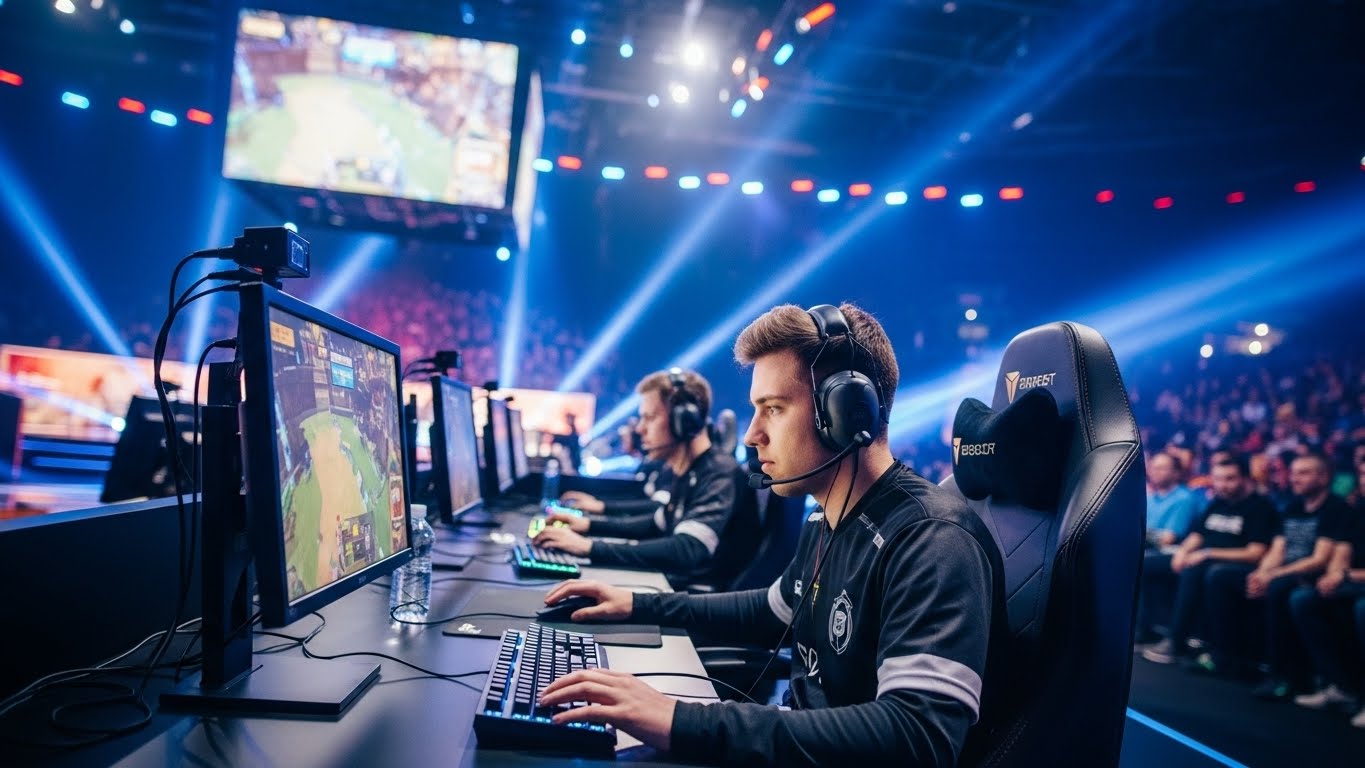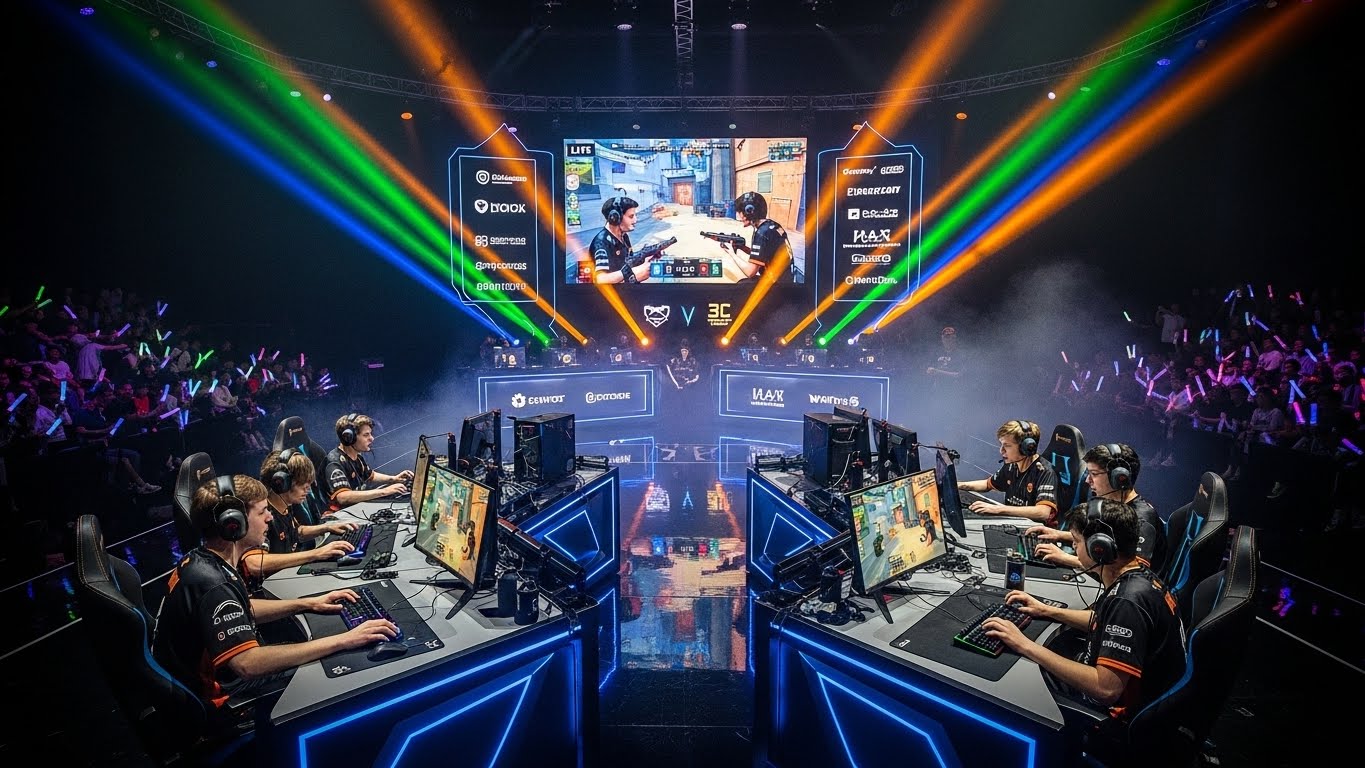
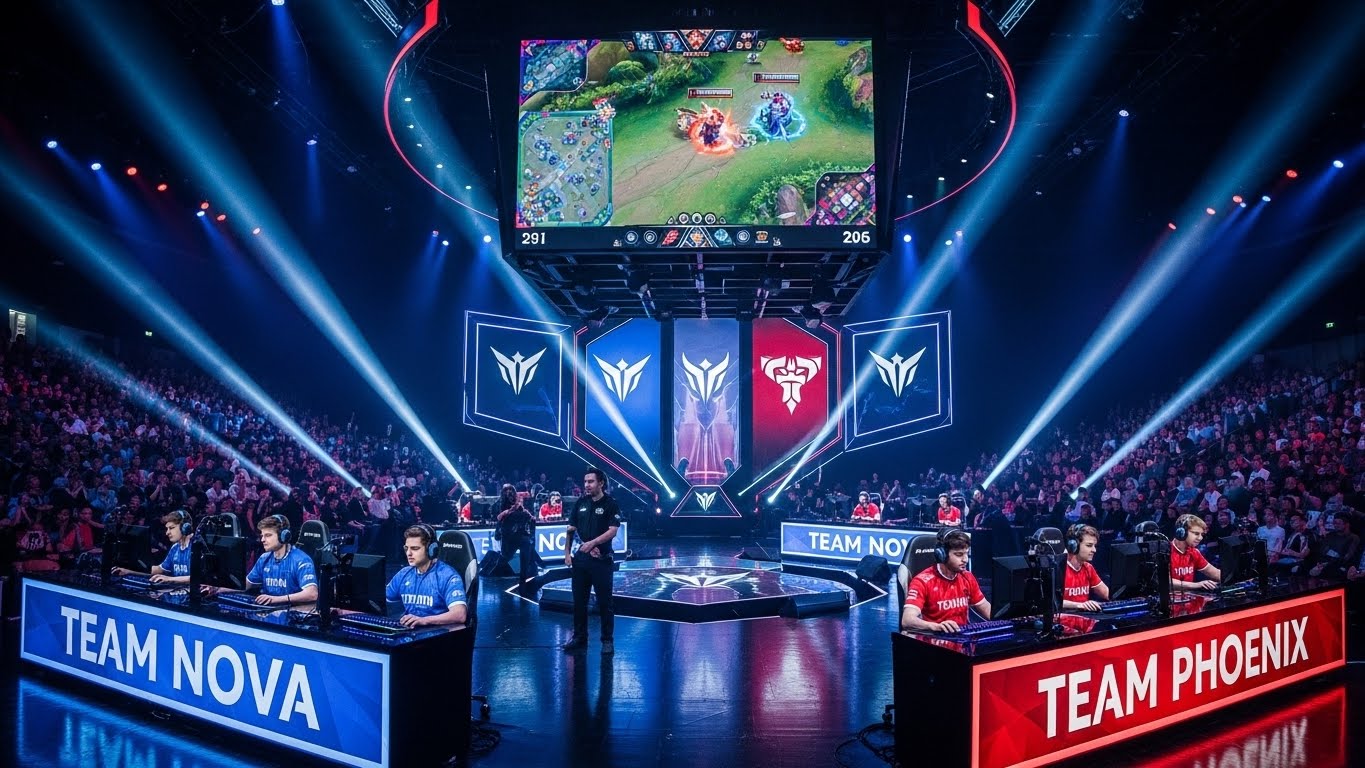
Esports has transformed from a niche hobby enjoyed in dimly lit internet cafés to a global entertainment phenomenon commanding massive audiences, major sponsorships, and professional athletes. Today, competitive gaming stands shoulder-to-shoulder with traditional sports, attracting millions of fans and shaping a new generation of digital competitors. This blog explores the evolution, culture, business, and future of esports, presenting a full picture of why this industry is quickly becoming one of the world’s most influential entertainment sectors.
The Birth of a Digital Competition Culture
Competitive gaming did not become an overnight sensation. Its origins stretch back to the earliest days of video games, when players would gather around arcade machines trying to beat high scores. What was once a friendly pastime slowly gained structure with organized tournaments for games like early fighting titles and strategy classics. As technology advanced and online connectivity improved, the competitive spirit found a new and much larger arena.
The rise of broadband internet and the widespread availability of personal computers created ideal conditions for multiplayer games to flourish. Titles that allowed head-to-head battles or team-based strategies became especially popular. Players began forming communities and leagues, hosting matches, and climbing ranking systems. While still relatively small, this period laid the foundation for what would eventually evolve into professional esports.
The Rapid Rise of a Global Phenomenon
With the turn of the century came an explosion of online gaming. More sophisticated game design, improved servers, and the growth of streaming platforms gave esports unprecedented reach. No longer limited to local tournaments, players from around the world could now compete and watch competitions in real time.
Global events began attracting thousands of attendees and millions of viewers online. Large prize pools drew top talent, and professional teams formed with coaches, managers, analysts, and dedicated training schedules. Esports was no longer just recreational gaming. It was a legitimate, organized sport.
What makes the rise even more remarkable is its speed. In less than two decades, esports went from basement competitions to sold-out stadium events. Online platforms improved accessibility, enabling fans from all corners of the world to tune in instantly. This universal connectivity is one of the strongest pillars of esports’ success.
Diverse Genres Creating Multiple Sporting Worlds
One unique feature of esports is the wide variety of game genres that fall under its umbrella. Where traditional sports are limited to specific physical activities, esports offers numerous competitive environments, each with its own culture, rules, fanbase, and professional scene.
Some of the most influential genres include:
Multiplayer Online Battle Arenas
These games revolutionized team-based competition with strategic gameplay and high-speed action. Teams battle to control maps, manage resources, and outmaneuver opponents.
First-Person Shooters
These titles emphasize precision, reaction time, and team coordination. The competitive shooter scene has grown tremendously due to its fast pacing and high spectator appeal.
Sports Simulations
Digital versions of real-world sports such as football, basketball, and racing attract fans who appreciate both the accuracy and creativity offered by virtual gameplay.
Real-Time Strategy Games
These games test multitasking, planning, and resource management. Though less dominant today, they remain foundational to esports history.
Fighting Games
One-on-one face-offs with deeply technical gameplay have maintained a passionate community for decades.
The diversity of these genres ensures that esports appeals to an extremely broad audience. Whether someone enjoys strategic thinking, rapid reflexes, or teamwork, there is an esports title that fits their interests.
Esports Athletes: The New Generation of Competitors
Professional esports players train extensively to achieve mastery in their games. Their schedules often resemble those of traditional athletes, with long practice sessions, physical fitness routines, mental conditioning, and team strategies.
What many people outside the scene do not realize is the level of discipline required. Pros analyze gameplay footage, study opponents, practice mechanics for hours, and collaborate closely with coaches. Reaction times must be razor-sharp, decision-making must be flawless, and communication must be constant.
Despite misconceptions, esports athletes face physical demands as well. Long hours of practice require proper posture, hand-eye coordination, endurance, and injury prevention strategies. Conditions such as repetitive strain injuries and eye fatigue are taken seriously within the industry.
These players are more than gamers; they are professionals who dedicate their lives to their craft. The respect they’ve earned from global audiences reflects the genuine skill and effort they bring to the sport.
A Thriving Industry Fueled by Global Audiences
One of the most important reasons for esports’ explosive growth is viewership. Streaming platforms enabled gamers to broadcast their play to millions of fans. This changed the industry permanently, making esports one of the most accessible forms of entertainment worldwide.
Unlike traditional sports, esports does not require expensive arenas or television contracts to reach audiences. Anyone with an internet connection can watch tournaments, discover new players, or tune in to their favorite teams. This accessibility attracted a younger audience that values digital interaction and community-driven content.
As viewership increased, major brands across technology, fashion, food, and entertainment began investing in esports. Sponsorship deals, merchandise sales, advertisement revenue, and team partnerships created a thriving business ecosystem. Today, esports is a multi-billion-dollar industry with professional leagues, franchised teams, and global tournaments that rival major traditional sports.
The Unmatched Community and Culture of Esports
Beyond competition, esports is deeply rooted in community. Fans support their favorite teams with passionate loyalty, follow players closely, and participate in conversations across social platforms. Many fans are players of the games themselves, which creates a unique connection between the viewer and the competitor.
Esports communities are known for their creativity, producing fan art, analysis videos, memes, strategies, and commentaries. Events become cultural moments filled with excitement, celebration, and shared experiences between people from different parts of the world.
The sense of belonging is one of esports’ greatest strengths. It brings together individuals across cultures, languages, and backgrounds who share a love for gaming and competition.
Education and Career Growth Beyond the Game
Esports has also expanded into education and professional development. Many schools and universities now support esports programs, offering scholarships and teams that compete at collegiate levels. These programs emphasize teamwork, strategy, leadership, and digital literacy, providing valuable skills applicable far beyond gaming.
Outside of playing professionally, esports offers numerous career pathways. The industry requires broadcasters, analysts, coaches, managers, event organizers, marketers, designers, and many other roles. The growth of esports ensures that these opportunities continue to expand.
The Future of Esports: Innovation and Expansion
As technology evolves, the esports landscape will continue to transform. Advancements in artificial intelligence, virtual reality, augmented reality, and cloud gaming will influence how competitors train and how fans experience events.
More countries are recognizing esports as an official sport, and international competitions may become as prominent as global athletic events. Additionally, mobile gaming is creating opportunities for regions where consoles and high-end PCs are less accessible, making esports even more inclusive.
One of the most exciting developments is cross-industry collaboration. Fashion brands design esports apparel, musicians perform at events, and tech companies innovate hardware specifically for competitive gaming. This merging of industries shows the cultural impact esports has grown to achieve.
Conclusion: Esports as a Defining Force in Modern Culture
What began as friendly gaming competitions has evolved into one of the most influential industries of the digital age. Esports combines skill, entertainment, technology, and global community in a way few other mediums can accomplish. It appeals to a tech-savvy generation, supports diverse career paths, and connects people worldwide through shared passion.
As the digital world continues to expand, esports will play an increasingly important role in entertainment, culture, and innovation. Its journey is far from over, and its potential is boundless. One thing is certain: esports has secured its place as a powerhouse in modern society, and the arena will only grow bigger from here.