Introduction
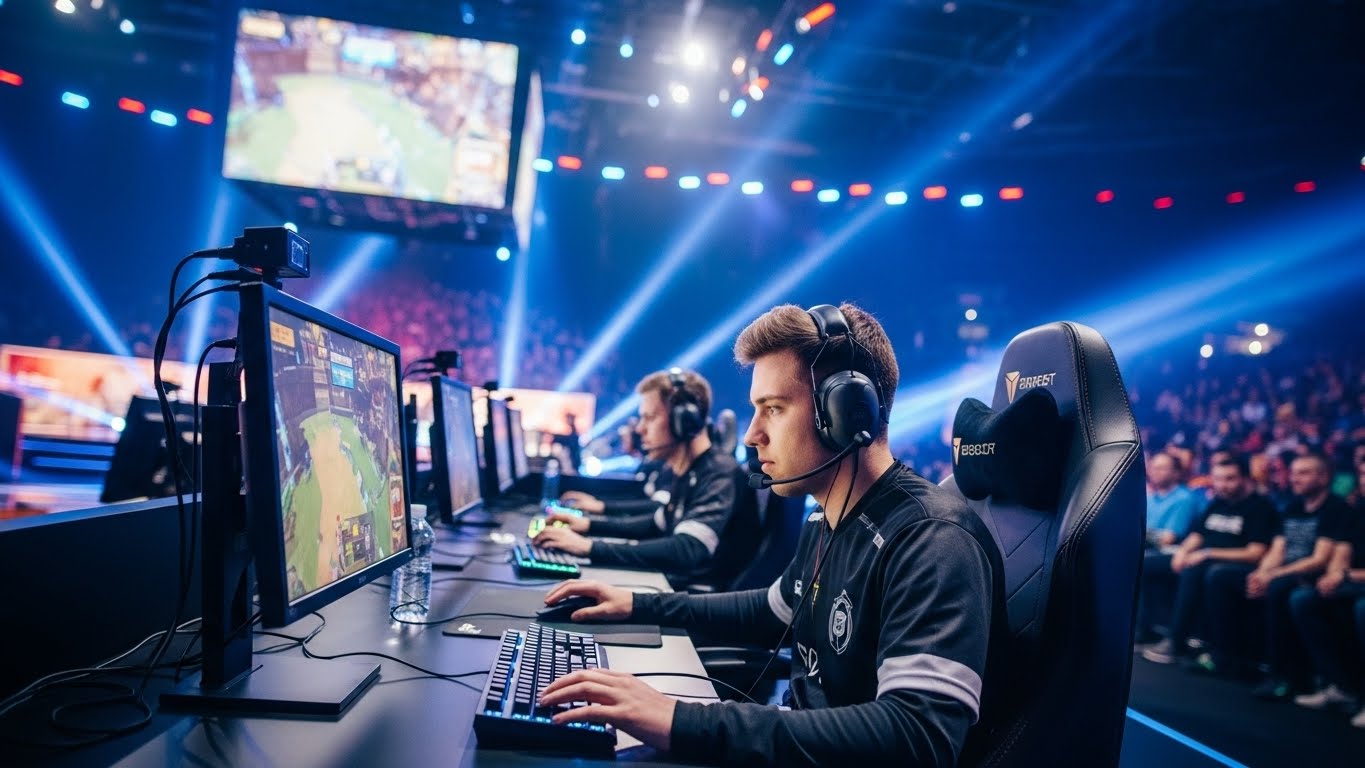
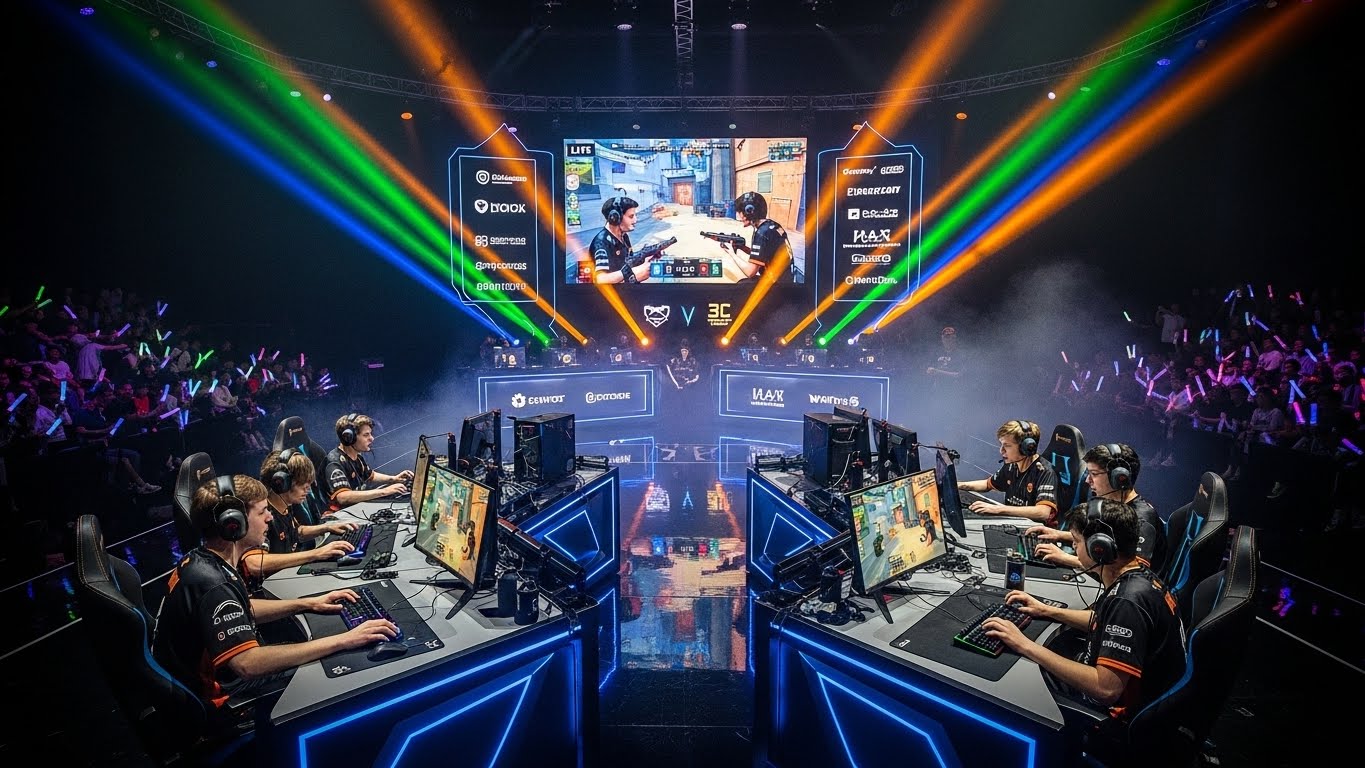
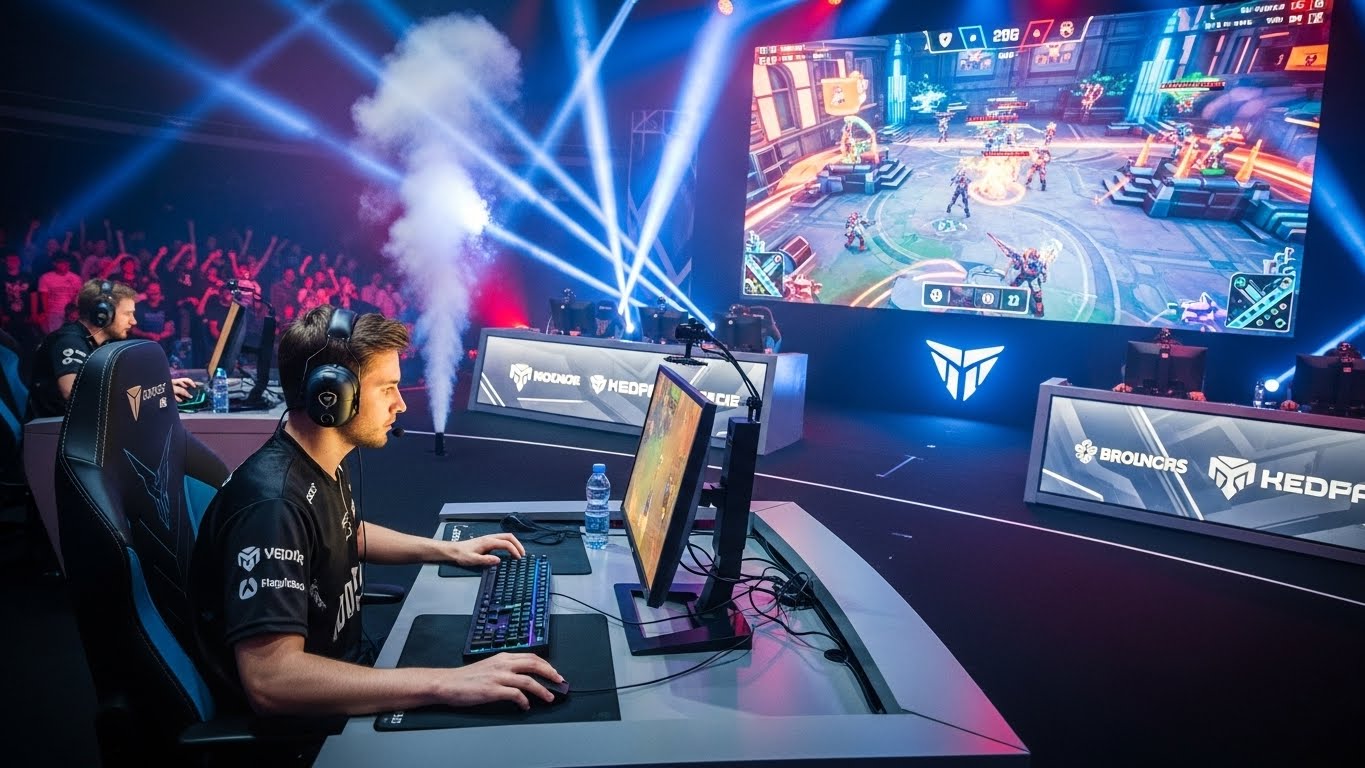
Esports has rapidly grown from niche competitions held in dimly lit rooms to massive global tournaments filled with roaring crowds, millionaire athletes, and millions of online viewers. What was once considered a hobby has now evolved into a professional industry rivaling traditional sports in viewership, revenue, and cultural impact. In this blog, we will explore the origins, growth, and future of esports while understanding why it has become such a powerful force in the modern entertainment landscape.
The Early Beginnings of Competitive Gaming
The story of esports started long before high-speed internet and advanced gaming consoles. In the late twentieth century, competitive gaming first took shape through arcade challenges and early computer games. Titles like Space Invaders and Pac-Man were among the first to spark interest in high-score competitions.
As home computers became more accessible in the 1990s, gaming communities began to form around titles such as Doom, StarCraft, and Quake. These games introduced organized matches, online multiplayer modes, and early professional leagues. While the scale was small compared to modern tournaments, these pioneers laid the foundation for what esports would eventually become.
The Rise of Online Multiplayer and Community Culture
The evolution of internet connectivity was a turning point for esports. Online multiplayer features connected players from around the world, encouraging creativity, competition, and community participation. Gamers no longer needed to be in the same physical location to compete.
Titles such as Counter-Strike, Dota, and Warcraft III helped create global communities where players shared strategies, formed clans, and participated in amateur tournaments. These grassroots communities played a major role in pushing gaming into mainstream culture. For many, esports was not just about winning; it was about belonging to something larger than themselves.
Mainstream Recognition and the Birth of Major Tournaments
As games became more advanced and communities grew stronger, companies and organizers began investing in professional competitions. This gave birth to major tournaments with large prize pools and global recognition.
The early 2000s marked the beginning of professional leagues and championship events. The World Cyber Games, Major League Gaming, and other early organizers helped standardize professional gaming formats. What made these tournaments standout was the competitiveness and professionalism displayed by players, who often trained for hours every day to sharpen their skills.
As prize money increased, esports gained attention not just from gamers but from sponsors, broadcasters, and brands. This shift placed esports on the global entertainment map.
The Explosion of Esports Brands and Franchises
Esports today has evolved into a structured industry with established teams, coaches, analysts, and training facilities. Top organizations invest heavily in recruiting talented players and building their brand identities. These teams often participate in multiple games at once, similar to how traditional sports clubs operate across different leagues.
Franchise systems in games like League of Legends and Overwatch have standardized esports into seasonal formats with home teams, stadium events, and long-term investment opportunities. This professionalization brought stability to the industry, attracting investors and opening doors for advanced training programs and youth development pathways.
The Impact of Streaming Platforms and Content Creation
One of the main drivers of esports’ popularity is the rise of live-streaming platforms where fans can watch players in real-time. These platforms turned professional gamers into influential celebrities with large, dedicated fan bases. Streaming allowed fans to engage more intimately with their favorite players, watching not only their competitions but also their daily practice sessions, casual games, and personal interactions.
Content creation became a career path on its own, with many players balancing competition and online streaming. This blend of entertainment and professional skill helped esports attract a broader audience, including people who may not play games themselves but enjoy the personalities and storytelling.
Esports as a Career and Its Growing Legitimacy
What was once considered a risky or unrealistic dream is now a legitimate career choice for many young people. Professional esports athletes often sign contracts, receive salaries, enjoy sponsorship deals, and compete for prize pools worth millions.
Beyond playing professionally, there are many career paths within the esports ecosystem. These include coaching, management, broadcasting, content creation, game analysis, journalism, and event organization. Universities and schools have also begun offering esports scholarships, validating its growth as a serious academic and professional field.
The Global Influence and Cultural Shift Inspired by Esports
Esports has influenced global culture in numerous ways. Fashion brands collaborate with gaming teams, musicians perform at esports events, and mainstream celebrities invest in gaming organizations. Gamers have become recognized public figures, influencing trends, charity events, and online movements.
This cultural shift is especially strong among younger generations, who see esports as a natural extension of entertainment and social identity. Esports athletes represent dedication, strategy, teamwork, and innovation. These qualities resonate deeply in a world increasingly shaped by technology and digital interaction.
The Role of Technology in Shaping Esports’ Future
Technology continues to drive esports forward. Faster internet speeds, high-performance hardware, and immersive gaming innovations create new possibilities for competitive play. Virtual reality and augmented reality may soon shape the next phase of esports, offering more interactive experiences.
Artificial intelligence is also playing a role in improving player training, analyzing strategic decisions, and generating realistic simulations. As technology evolves, so will the depth and complexity of esports competitions.
Challenges Faced by the Esports Industry
Despite its massive success, esports still faces challenges. Player burnout is a major concern due to intense practice schedules and high-pressure environments. Maintaining mental health is essential for long-term career stability.
Regulation is another challenge. Since esports spans multiple countries and organizations, establishing consistent rules and ethical guidelines can be difficult. Issues such as cheating, player exploitation, and match-fixing require ongoing vigilance and governance.
Finally, ensuring the industry remains inclusive and welcoming is crucial. Diversity and safe online environments are necessary for the long-term health of esports communities.
The Future of Esports and Its Potential Impact
Esports shows no signs of slowing down. Predictions suggest that its global audience will continue to expand drastically. More countries are adopting esports as part of national sports programs, and conversations about including esports in major international competitions are becoming more common.
As technology advances and global interest grows, esports has the potential to influence entertainment, education, business, and even traditional sports. The line between physical and digital competition may blur, creating a new hybrid world of athleticism and strategy.
Conclusion
Esports has transformed from arcade competitions into a powerful global industry. It has shaped modern culture, opened new career paths, and connected millions through passion and competition. With evolving technology, expanding communities, and increasing mainstream support, esports is not just a trend but a long-term powerhouse in the world of entertainment.
The digital arena is here to stay, and its champions are rising stronger than ever.