
Introduction
Esports has emerged as one of the fastest-growing industries in the world, transforming video gaming from a casual pastime into a professional competitive field. Once considered merely entertainment, esports now attracts millions of viewers, generates billion-dollar revenues, and nurtures athletes who dedicate their lives to training. Just like traditional athletes in football, basketball, or tennis, esports competitors invest countless hours into practice, strategy, teamwork, and maintaining their health.
What makes esports particularly fascinating is how similar the discipline and training regimes of these digital athletes are to those of their traditional sports counterparts. While the physical exertion may differ, the mental resilience, rigorous schedules, and commitment required are equally demanding. This blog will explore in depth how esports athletes train like traditional athletes, focusing on aspects such as practice routines, teamwork, physical conditioning, mental preparation, diet, recovery, and lifestyle balance.
The Rise of Esports as a Professional Career
Before diving into training similarities, it is essential to understand how esports has grown into a legitimate career path. Global tournaments attract millions of viewers, and professional players sign contracts with teams, receive sponsorships, and earn significant prize money. With such opportunities at stake, esports players cannot simply rely on raw talent. They need structured training, discipline, and resilience, much like footballers or basketball players striving to compete at elite levels.
The competitive environment of esports demands the same level of dedication. A single lapse in concentration, a missed command, or a poorly timed strategy can cost teams championships. This is why professional esports athletes undergo intense preparation, mimicking many aspects of traditional sports training.
Structured Practice Schedules
Just as traditional athletes have daily practice routines, esports athletes follow strict schedules to refine their skills. A professional player may spend anywhere from six to twelve hours a day practicing. This involves scrimmages against other teams, reviewing past matches, and focusing on individual skill drills.
Traditional athletes practice drills repeatedly to sharpen technique, whether it is shooting hoops or perfecting a tennis serve. Similarly, esports players rehearse specific in-game mechanics, such as aiming precision, reaction times, and decision-making under pressure. The principle of repetition applies to both worlds: the more a skill is practiced, the more instinctive it becomes in live competition.
Teamwork and Communication Training
In sports like football or basketball, teamwork is crucial to success. The same holds true in esports, where most competitive games are played in teams. Esports athletes practice communication strategies, learning how to coordinate attacks, defend, and adapt to changing scenarios.
Coaches often design drills specifically for building trust and synergy within the team. Just as a basketball player needs to know where a teammate is moving without looking, esports players need to anticipate the actions of teammates in high-pressure moments. This synchronization comes only from consistent practice and strong team chemistry.
Physical Conditioning and Fitness
A common misconception is that esports athletes do not need physical conditioning because their sport is played on screens. However, many professional esports organizations emphasize fitness as part of training. Physical health impacts mental sharpness, reaction speed, and endurance during long competitions.
Players often incorporate exercise routines, such as cardio, strength training, and yoga, into their daily lives. These workouts improve posture, circulation, and stamina, while reducing risks of repetitive strain injuries. Just as sprinters and footballers need peak physical condition to perform, esports athletes benefit from fitness routines that keep them alert and healthy.
Mental Preparation and Focus
Mental resilience is perhaps the strongest similarity between esports and traditional sports training. Pressure is a constant factor in competitive environments. Esports athletes must learn to manage nerves, stay focused, and recover from mistakes quickly.
Meditation, mindfulness, and visualization exercises are often part of esports training programs. These techniques are borrowed directly from traditional sports psychology. Many teams hire performance coaches to help players handle stress, avoid burnout, and maintain confidence. The mental preparation that helps an Olympic athlete visualize a perfect routine is the same mindset that esports athletes use before stepping onto a digital battlefield.
Nutrition and Healthy Diet
Diet is another area where esports and traditional athletes converge. A healthy body leads to a sharper mind, which is vital for quick decision-making and reaction times. Professional esports athletes often follow nutrition plans designed to boost energy levels, improve concentration, and regulate sleep.
Instead of surviving on junk food, which many casual gamers consume, professionals rely on balanced meals rich in protein, complex carbohydrates, vitamins, and hydration. Dieticians are sometimes employed by esports teams to ensure players have the right fuel to sustain long hours of practice and intense tournaments.
Recovery and Rest
In traditional sports, recovery is just as important as training. Muscles need rest to grow, and the mind needs downtime to avoid fatigue. Similarly, esports athletes prioritize recovery. Long gaming hours can lead to exhaustion, eye strain, and mental burnout, which diminish performance.
Sleep is considered a key element of recovery. Professional esports players are encouraged to maintain consistent sleep schedules to optimize focus and reaction times. Breaks during practice sessions also help reduce stress and prevent repetitive strain injuries. Much like runners or football players rely on physiotherapy and rest, esports athletes incorporate recovery routines into their training.
Coaching and Analysis
Coaching plays a pivotal role in both esports and traditional sports. Just as a football coach studies game footage and develops strategies, esports coaches analyze gameplay, highlight mistakes, and design training exercises.
Data analysis has become a critical part of esports. Every movement, strategy, and outcome is studied through replay systems. This mirrors how basketball teams review recorded matches to improve defense or how boxers review opponents’ techniques. In both fields, video analysis sharpens awareness and prepares athletes for competition.
Injury Prevention and Management
Though esports does not involve physical collisions like football, it does present unique injury risks, particularly repetitive strain injuries in hands, wrists, and shoulders. Players also face issues like back pain and eye strain. To address this, many teams employ physiotherapists, occupational therapists, and ergonomic specialists.
This attention to injury prevention is similar to the support systems in traditional sports, where medical staff play a crucial role in prolonging athletes’ careers. Proper posture, stretching exercises, and ergonomic gaming setups are now standard parts of esports training regimens.
Discipline and Lifestyle Balance
Behind every successful athlete is discipline. For esports athletes, this means balancing practice, exercise, rest, and personal life. Unhealthy habits, such as poor sleep schedules or lack of exercise, can derail performance.
Traditional athletes sacrifice personal leisure for training, and esports players do the same. Their social lives, hobbies, and downtime often revolve around their careers. This level of dedication ensures they remain at peak performance, reinforcing the similarity between esports and traditional athletic disciplines.
The Role of Technology in Training
One distinction is that esports relies heavily on technology not only for competition but also for training. Specialized software tracks performance metrics such as reaction times, accuracy, and in-game decision-making. Virtual coaching tools and AI-driven platforms provide feedback much like motion tracking and biomechanical analysis in traditional sports.
Technology enables esports athletes to simulate real competition environments, review plays in detail, and test different strategies. This mirrors how traditional sports athletes use advanced analytics, wearables, and motion sensors to refine their performance.
Esports Academies and Training Camps
Traditional sports often have academies or youth development programs that nurture talent from a young age. Esports is following a similar path, with academies and training camps designed to develop aspiring professionals.
These institutions teach not only gaming skills but also teamwork, discipline, health management, and communication, ensuring that young players grow into well-rounded athletes. Much like soccer academies produce world-class players, esports academies are producing the champions of tomorrow.
Esports as a Lifestyle, Not Just a Career
For both traditional and esports athletes, success is more than just training hours. It is a lifestyle commitment. Esports players dedicate their lives to their craft, adjusting daily habits, diets, and social lives around competition schedules.
The parallels between these two worlds demonstrate that esports requires just as much effort, discipline, and resilience as physical sports. Professional gaming is not simply “playing for fun” but rather a full-time pursuit requiring sacrifice and focus.
Comparing the Stress Levels of Competition
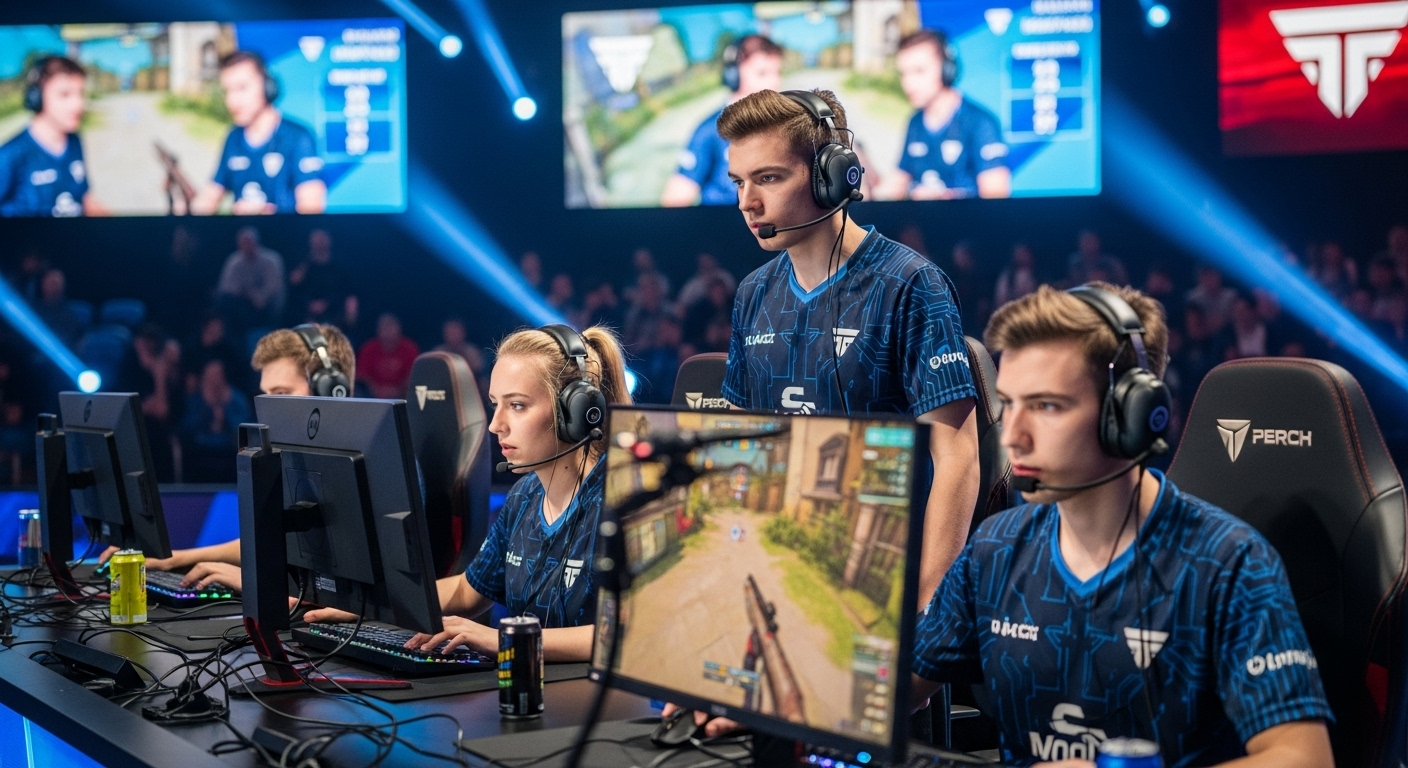
The intensity of competitive esports is often underestimated. Players face enormous pressure on the global stage, with millions of viewers and high financial stakes. The stress levels are similar to those of traditional athletes competing in packed stadiums.
Both environments demand nerves of steel. Whether it is scoring the winning goal in football or executing the final strategy in a global esports final, the pressure is immense. This shared experience strengthens the argument that esports athletes train and compete much like traditional athletes.
The Future of Esports Training
As esports continues to grow, training methods are becoming even more sophisticated. We may see further integration of virtual reality, artificial intelligence, and biometric monitoring into practice routines. These tools will mirror the future of traditional sports training, where science and technology increasingly play central roles.
Esports is on a trajectory to be recognized globally as equal to traditional sports in terms of athletic commitment, preparation, and career sustainability. The training similarities will only grow stronger as both worlds embrace science and performance optimization.
Conclusion
Esports athletes train like traditional athletes in more ways than many realize. Their lives revolve around structured practice, teamwork, physical fitness, mental preparation, nutrition, recovery, and discipline. They work with coaches, analyze performances, and manage injuries just as footballers, basketball players, or tennis champions do.
The only difference lies in the medium of competition: one takes place on fields and courts, while the other takes place in digital arenas. The dedication, sacrifice, and commitment required, however, remain nearly identical.
As the esports industry continues to evolve, the perception of its athletes will shift further toward recognition as legitimate sports professionals. The discipline of their training, the pressure they face, and the global impact they generate firmly establish esports athletes as true athletes of the modern age.