
Introduction: The New Age of Sports
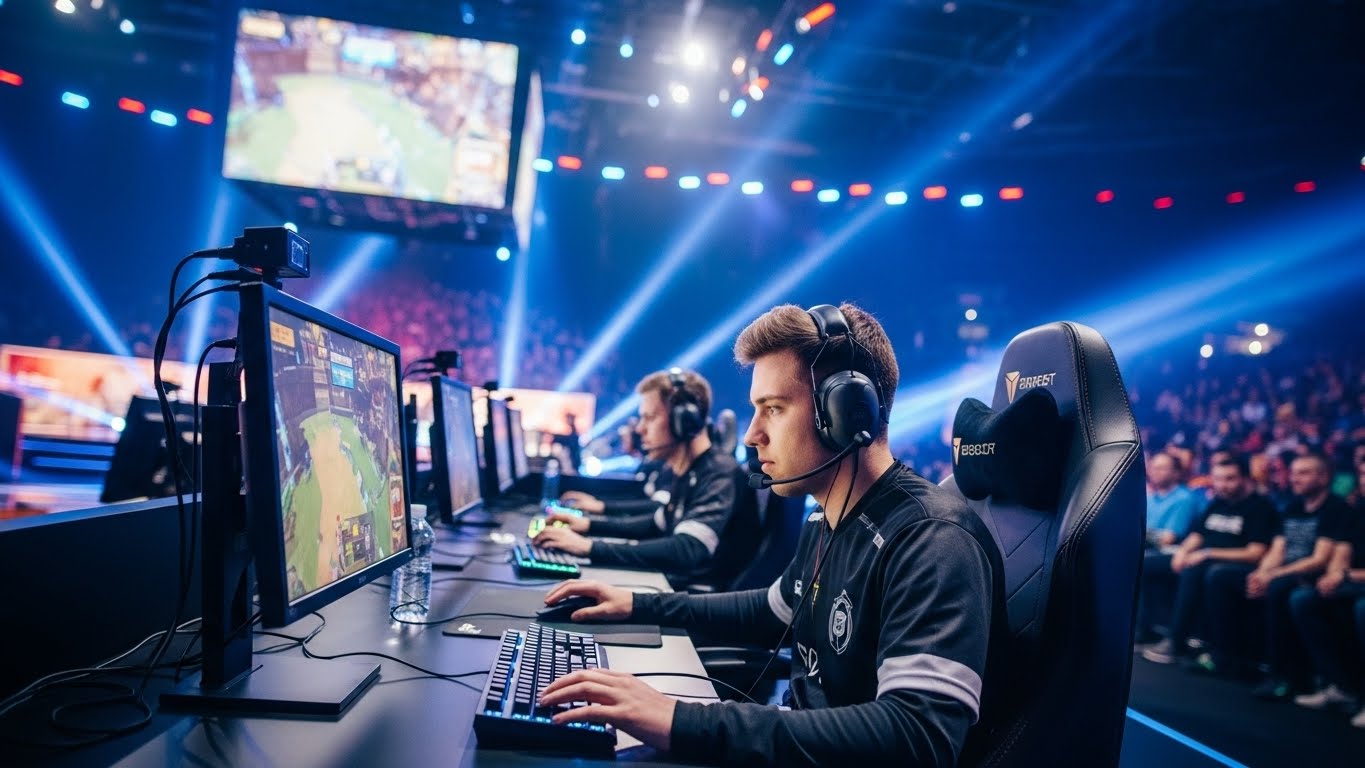
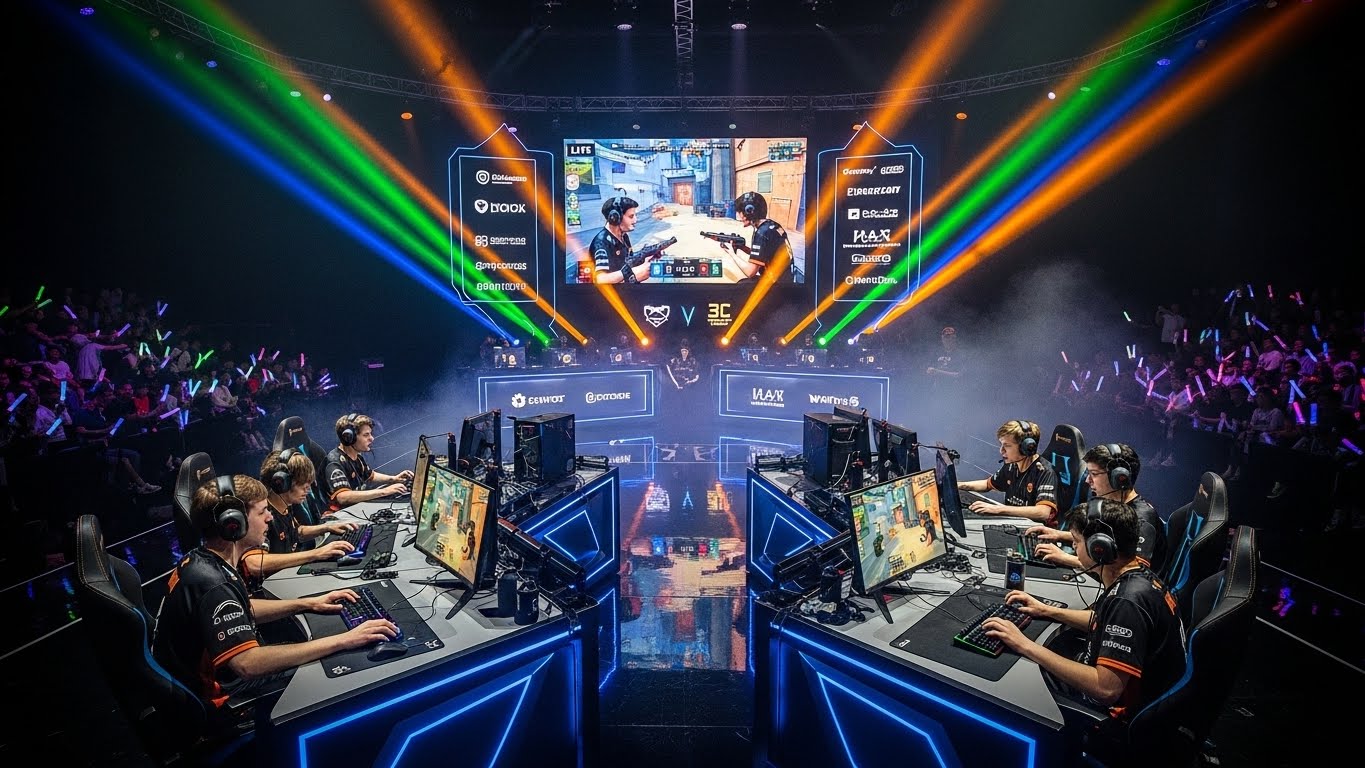
Esports has transformed from a niche hobby into a global phenomenon, redefining the concept of competitive sports. No longer confined to casual play or small tournaments, esports now draws millions of viewers, features multi-million-dollar prize pools, and boasts professional leagues with sponsorships, streaming platforms, and global fan bases.
The rise of esports represents more than just entertainment. It combines strategy, teamwork, reflexes, and creativity, offering players and spectators experiences that rival traditional sports in intensity and engagement. Esports bridges technology, culture, and community, creating a unique form of competition in the digital age.
The Evolution of Esports
The history of esports dates back to the 1970s and 1980s when simple arcade competitions and early computer games introduced competitive gaming. Titles like Space Invaders and Pac-Man began to spark interest in organized competitions, but it was limited by technology and audience reach.
The 1990s and early 2000s marked the emergence of LAN parties and early online tournaments. Games such as StarCraft, Counter-Strike, and Warcraft became central to competitive communities, attracting dedicated players and fostering global interactions. These events laid the foundation for the professional esports ecosystem.
The 2010s saw explosive growth, fueled by streaming platforms, high-speed internet, and the rise of game franchises designed for competitive play. Leagues, tournaments, and professional organizations established esports as a legitimate career path. Today, esports is a mainstream industry with international competitions, celebrity gamers, and a fan base rivaling major traditional sports.
Popular Esports Genres
Esports encompasses a wide variety of game genres, each offering unique challenges and experiences.
First-Person Shooters (FPS)
FPS games, such as Counter-Strike, Call of Duty, and Valorant, require precision, reflexes, and strategic thinking. Players must navigate complex maps, anticipate opponents, and coordinate with teammates in high-pressure scenarios. FPS competitions are fast-paced, visually intense, and attract millions of viewers globally.
Multiplayer Online Battle Arenas (MOBA)
MOBAs, including League of Legends and Dota 2, emphasize strategy, teamwork, and long-term planning. Players control individual characters, each with unique abilities, collaborating with teammates to achieve objectives and defeat opponents. MOBA tournaments are celebrated for their depth, unpredictability, and high-level strategy.
Real-Time Strategy (RTS)
RTS games like StarCraft and Age of Empires demand multitasking, resource management, and tactical foresight. Players manage units, gather resources, and execute complex strategies in real time. These games highlight cognitive agility, quick decision-making, and long-term planning.
Fighting and Sports Games
Fighting games, such as Street Fighter and Tekken, and sports simulations like FIFA and NBA 2K, focus on precision, timing, and one-on-one or team-based competition. These genres have dedicated tournaments and loyal fan communities, providing intense, spectator-friendly experiences.
Battle Royale Games
Games like Fortnite, PUBG, and Apex Legends combine survival, strategy, and fast-paced action. Battle Royale competitions challenge players to outlast dozens of opponents in expansive, dynamic environments. These games emphasize adaptability, quick thinking, and strategic positioning.
The Professional Esports Ecosystem
Professional esports mirrors traditional sports in organization and structure. Players sign with teams, receive salaries, train rigorously, and compete in leagues and tournaments with global audiences. Sponsorships, merchandise, and streaming provide additional revenue streams.
Esports organizations often include coaches, analysts, managers, and content creators to optimize performance and engagement. This ecosystem supports not only gameplay but also fan interaction, branding, and marketing, making esports a comprehensive industry with multiple career opportunities.
The Role of Streaming and Online Platforms
Streaming platforms have played a crucial role in esports’ growth. Services such as Twitch and YouTube Gaming allow fans to watch competitions live, interact with players, and engage in communities. Streaming has democratized content, giving amateur players visibility and enabling professional gamers to build personal brands.
Interactive elements, including live chats, polls, and commentary, enhance engagement and create a shared viewing experience. Streaming has made esports accessible to a global audience, transforming competitions into entertainment spectacles and social events.
Esports and Audience Engagement
Esports attracts a diverse and passionate audience. Fans watch for strategy, skill, and the excitement of competition. Unlike traditional sports, esports allows direct interaction between players and viewers, fostering a sense of community and connection.
Tournaments often feature live events with large audiences, cosplay, merchandise, and fan meetups. These gatherings create a festival-like atmosphere, celebrating gaming culture while building a global community united by shared enthusiasm.
Cognitive and Skill Benefits of Esports
Esports is not only entertaining but also intellectually stimulating. Competitive gaming develops strategic thinking, quick decision-making, problem-solving, and teamwork. Players improve hand-eye coordination, multitasking, and spatial awareness.
Esports also teaches discipline and resilience. Players spend hours training, analyzing strategies, and learning from mistakes. These skills are transferable to academic, professional, and personal challenges, highlighting esports as a constructive and skill-building activity.
Challenges and Controversies in Esports
Despite its success, esports faces challenges. Concerns about addiction, excessive screen time, and health issues are prevalent. Professional players often face physical strain, mental stress, and burnout, emphasizing the need for balance and support systems.
The industry also grapples with ethical issues, including cheating, doping, harassment, and toxic behavior in online communities. Organizations and governing bodies are implementing rules, codes of conduct, and monitoring systems to maintain fair play and a positive environment.
Gender disparity and inclusivity remain significant issues. Esports has historically been male-dominated, but initiatives promoting female players, diverse teams, and inclusive communities are gradually reshaping the landscape. These efforts aim to create equal opportunities for all participants and foster a welcoming environment.
The Economic Impact of Esports
Esports is a major economic force, generating billions of dollars annually. Revenue comes from sponsorships, advertising, streaming, merchandise, ticket sales, and media rights. Major tournaments offer prize pools reaching millions, attracting elite players and global audiences.
The industry has also created numerous jobs beyond gaming, including broadcasting, event management, marketing, content creation, and coaching. This economic growth highlights esports as a sustainable and evolving industry with long-term potential.
The Future of Esports
The future of esports promises innovation, growth, and mainstream integration. Emerging technologies such as virtual reality, augmented reality, and artificial intelligence will create more immersive competitions. Cloud gaming and faster internet connectivity will make esports accessible to broader audiences.
Esports will continue to integrate with education, offering programs in strategy, teamwork, and digital literacy. Professionalization will expand, with more structured leagues, standardized training, and recognition similar to traditional sports.
Global collaboration, international tournaments, and cross-platform competitions will strengthen esports’ cultural influence, bridging communities worldwide and fostering shared experiences. The convergence of entertainment, technology, and sport ensures that esports will remain at the forefront of digital culture.
Conclusion: Esports as a Global Phenomenon
Esports has evolved from casual gaming into a professional, global phenomenon. It blends strategy, skill, teamwork, and entertainment, creating experiences that rival traditional sports in intensity and appeal. Esports connects players, fans, and communities across the world, offering both competitive excitement and social engagement.
The industry has demonstrated economic potential, cultural influence, and cognitive benefits, proving that competitive gaming is more than a hobby. It is a legitimate career path, a source of entertainment, and a platform for skill development.
As technology advances, audiences expand, and professional structures mature, esports will continue to shape the future of entertainment and competition. It represents the limitless possibilities of digital interaction, where passion, talent, and strategy converge to create a dynamic, ever-evolving global experience.
Esports is no longer just games on a screen; it is a digital revolution, a cultural movement, and a testament to the power of human skill and imagination in the 21st century.