
Introduction: The Rise of Esports
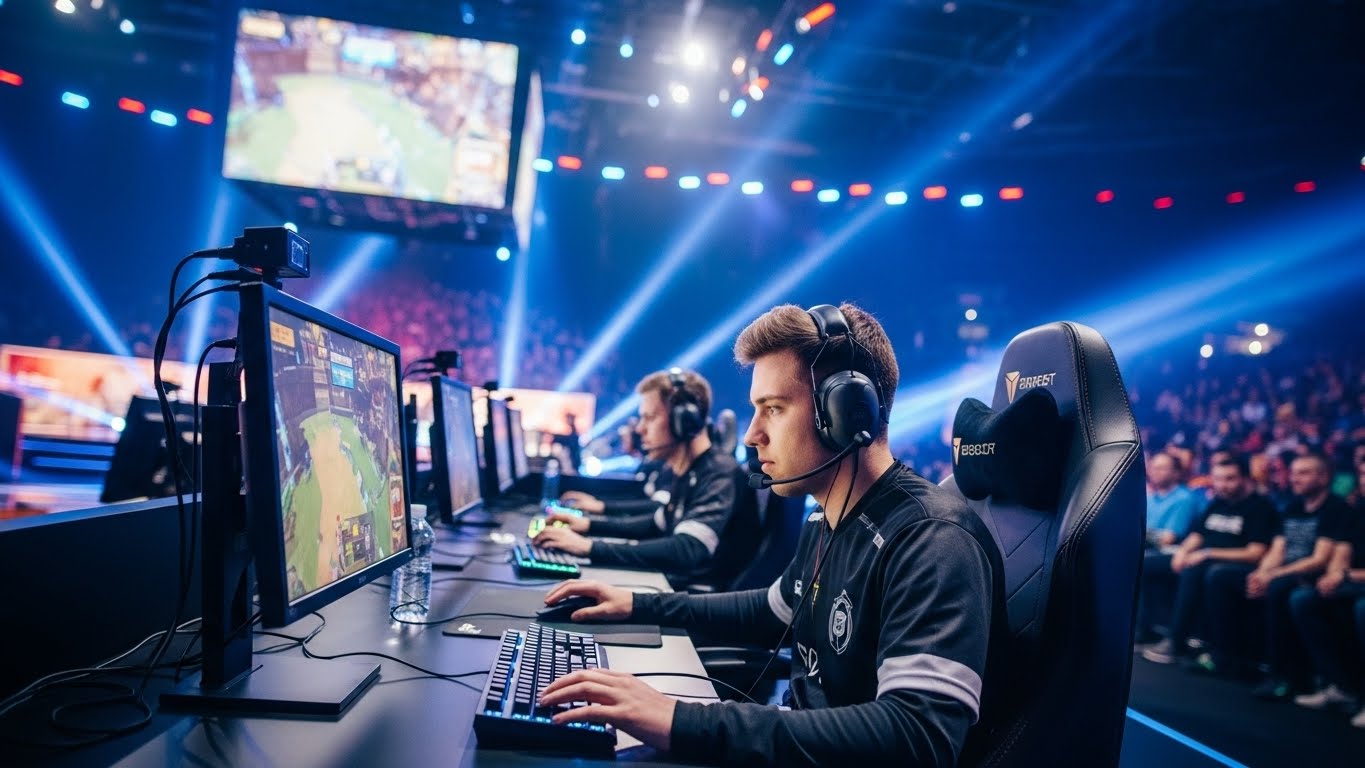
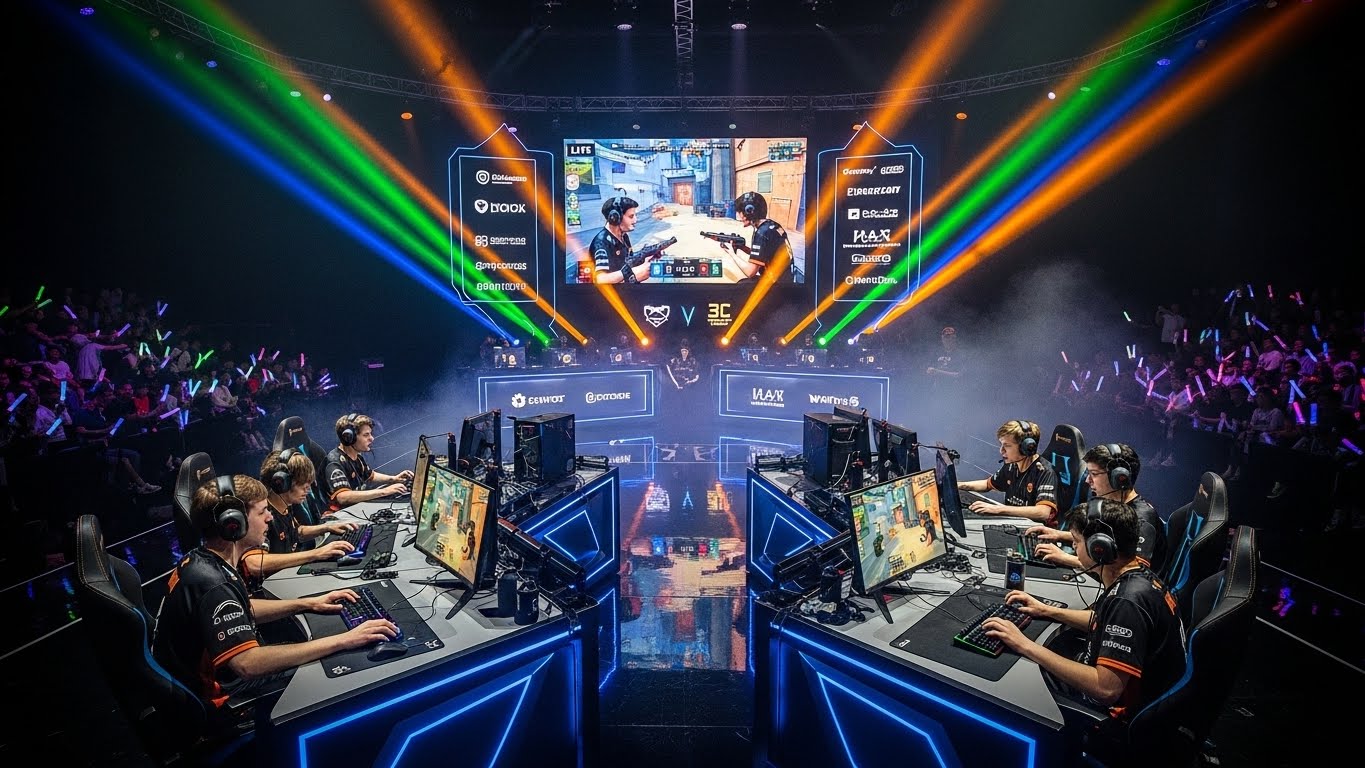
Esports, or competitive gaming, has emerged as one of the most dynamic and rapidly growing forms of entertainment in the 21st century. What once began as informal video game competitions among friends has transformed into a global phenomenon, drawing millions of viewers, attracting corporate sponsorships, and providing professional players with lucrative careers. Esports combines the excitement of traditional sports with the interactive nature of video games, creating a unique entertainment medium that engages players and audiences alike. In this blog, we explore the evolution, impact, and future of esports, examining why it has become a cultural and social force worldwide.
The Origins of Esports
Competitive gaming has roots that go back decades, even before it became a mainstream industry. In the late 1970s and 1980s, players competed in arcade games, often striving for high scores that could earn them recognition or local fame. Titles like Space Invaders, Pac-Man, and Donkey Kong laid the groundwork for competitive gaming. By the 1990s, networked computers and early internet technology allowed players to compete online, and games like StarCraft and Counter-Strike became iconic in shaping the esports landscape. These early competitions demonstrated that gaming could be more than casual entertainment—it could foster skill, strategy, and community.
The Modern Era of Esports
The 2000s and 2010s marked the professionalization of esports. Organized leagues, international tournaments, and live-streamed competitions brought legitimacy and visibility to the industry. Platforms like Twitch, YouTube Gaming, and other streaming services allowed millions to watch esports in real time, creating fan communities and global audiences. Today, esports tournaments rival traditional sports events in terms of prize pools, production quality, and viewer engagement. Titles like League of Legends, Dota 2, Call of Duty, and Fortnite have become cultural phenomena, attracting professional teams, sponsors, and enthusiastic fanbases.
The Structure of Competitive Esports
Esports tournaments are highly structured, often resembling professional sports leagues. Players join teams, receive coaching, and follow rigorous training schedules to hone their skills. Matches are strategically designed, testing reflexes, coordination, communication, and mental endurance. Competitions can range from small local events to massive international championships with millions of dollars in prize money. The structure of esports highlights the dedication, discipline, and professionalism required to succeed, demonstrating that competitive gaming demands not only talent but also resilience and strategy.
Skills Required for Esports
Success in esports requires a unique combination of skills. Hand-eye coordination, reaction time, and precision are fundamental, but strategic thinking, teamwork, and decision-making under pressure are equally crucial. Players must analyze opponents’ strategies, adapt to changing game scenarios, and maintain focus for extended periods. Mental stamina and emotional control play a significant role, as high-stakes matches can be physically and psychologically demanding. Esports athletes train rigorously, often dedicating hours daily to practice, analysis, and teamwork development.
Esports as a Spectator Experience
One of the defining features of esports is its ability to captivate audiences. Live streaming has made it possible for fans to watch games in real time, interact with commentators, and engage with other viewers. Spectator experiences in esports go beyond mere observation—they include live chats, virtual cheering, and community-driven commentary. Major tournaments are broadcast with professional production quality, including multiple camera angles, in-depth analysis, and immersive storytelling. This spectator-focused approach has helped esports build a loyal fanbase comparable to that of traditional sports.
Community and Social Impact
Esports has created global communities that connect players, fans, and creators across borders. Online forums, social media, and streaming platforms foster communication and collaboration, allowing individuals to share strategies, discuss matches, and celebrate achievements. Esports communities are diverse, including casual gamers, competitive players, content creators, and fans. These communities provide a sense of belonging and identity, promoting teamwork, mentorship, and shared passion. Esports is more than a pastime—it is a cultural movement that brings people together through shared interests.
The Economic Influence of Esports
The esports industry has become a significant economic force, generating revenue through sponsorships, advertising, merchandise, media rights, and tournament prize pools. Corporations recognize the potential of esports to reach younger audiences and invest heavily in marketing and branding. Professional esports organizations operate like traditional sports franchises, hiring managers, coaches, analysts, and support staff. The economic impact extends to technology, gaming hardware, and streaming platforms, fueling growth and innovation in multiple sectors.
The Role of Technology in Esports
Technology is at the heart of esports. High-performance gaming computers, low-latency internet connections, advanced peripherals, and sophisticated software all contribute to competitive success. Streaming platforms allow for instant global viewership, while analytics tools enable players and coaches to track performance and improve strategies. Virtual reality and augmented reality are also beginning to influence esports, offering new ways for players and audiences to experience games. Technology ensures that esports remains at the cutting edge of both entertainment and innovation.
Esports and Education
Esports is increasingly recognized as a tool for education and personal development. Schools and universities offer esports programs that teach teamwork, strategic thinking, communication, and problem-solving skills. Scholarships for esports athletes encourage academic achievement alongside gaming excellence. Educational initiatives also focus on health, time management, and responsible gaming, demonstrating that esports can provide both recreational enjoyment and practical life skills.
Health Considerations in Esports
While esports offers numerous benefits, it also presents challenges related to health and well-being. Long hours of practice and competition can lead to physical strain, including eye fatigue, repetitive strain injuries, and posture-related issues. Mental health concerns such as stress, burnout, and performance anxiety are also prevalent among professional players. Organizations and coaches are increasingly focusing on physical conditioning, mental coaching, and balanced schedules to ensure player health and longevity in the sport.
The Global Reach of Esports
Esports is a worldwide phenomenon, with players and fans in nearly every region. Countries like South Korea, China, the United States, and European nations have well-established esports ecosystems, with professional leagues, sponsorships, and cultural recognition. Global tournaments unite players from different countries, celebrating diversity and skill while fostering international camaraderie. The global reach of esports highlights its ability to transcend language, culture, and geography, making it one of the most inclusive and far-reaching entertainment industries.
Challenges Facing Esports
Despite its growth, esports faces challenges that include regulation, fair play, and recognition. Ensuring competitive integrity, preventing cheating, and promoting ethical behavior are ongoing concerns. Additionally, balancing commercialization with player well-being and community values remains critical. Esports must navigate issues such as accessibility, diversity, and sustainability to continue its trajectory as a legitimate and respected form of professional competition.
The Future of Esports
The future of esports is bright, with continued growth, technological innovation, and mainstream acceptance. Virtual reality, cloud gaming, and artificial intelligence will enhance gameplay and viewer experiences. Esports may increasingly merge with traditional sports, entertainment, and education, creating hybrid experiences. As leagues expand, sponsorships grow, and fan engagement deepens, esports is set to remain a transformative force in entertainment, culture, and social connection for years to come.
Conclusion: Esports as a Cultural Phenomenon
Esports has evolved from a niche hobby into a global cultural and economic powerhouse. It combines competition, strategy, teamwork, and entertainment in ways that resonate with millions of players and fans worldwide. Beyond the screen, esports builds communities, inspires individuals, and promotes personal and professional growth. Its technological foundation and global reach make it a unique and transformative form of modern entertainment.
The rise of esports demonstrates that competitive gaming is more than just a pastime—it is a serious, structured, and influential industry. It challenges traditional definitions of sports and entertainment while creating opportunities for connection, creativity, and achievement. As esports continues to expand and evolve, it will undoubtedly redefine how we play, watch, and engage with digital competition, leaving a lasting legacy on both culture and society.