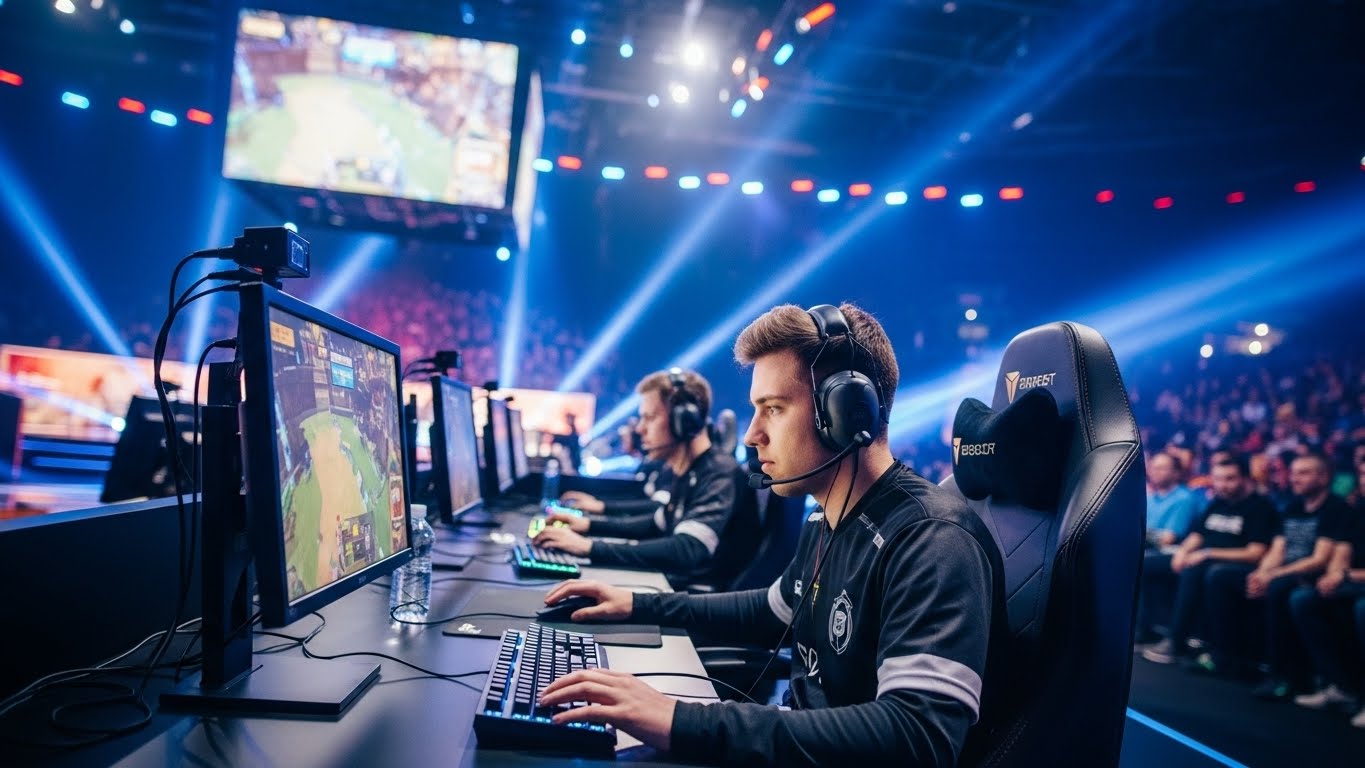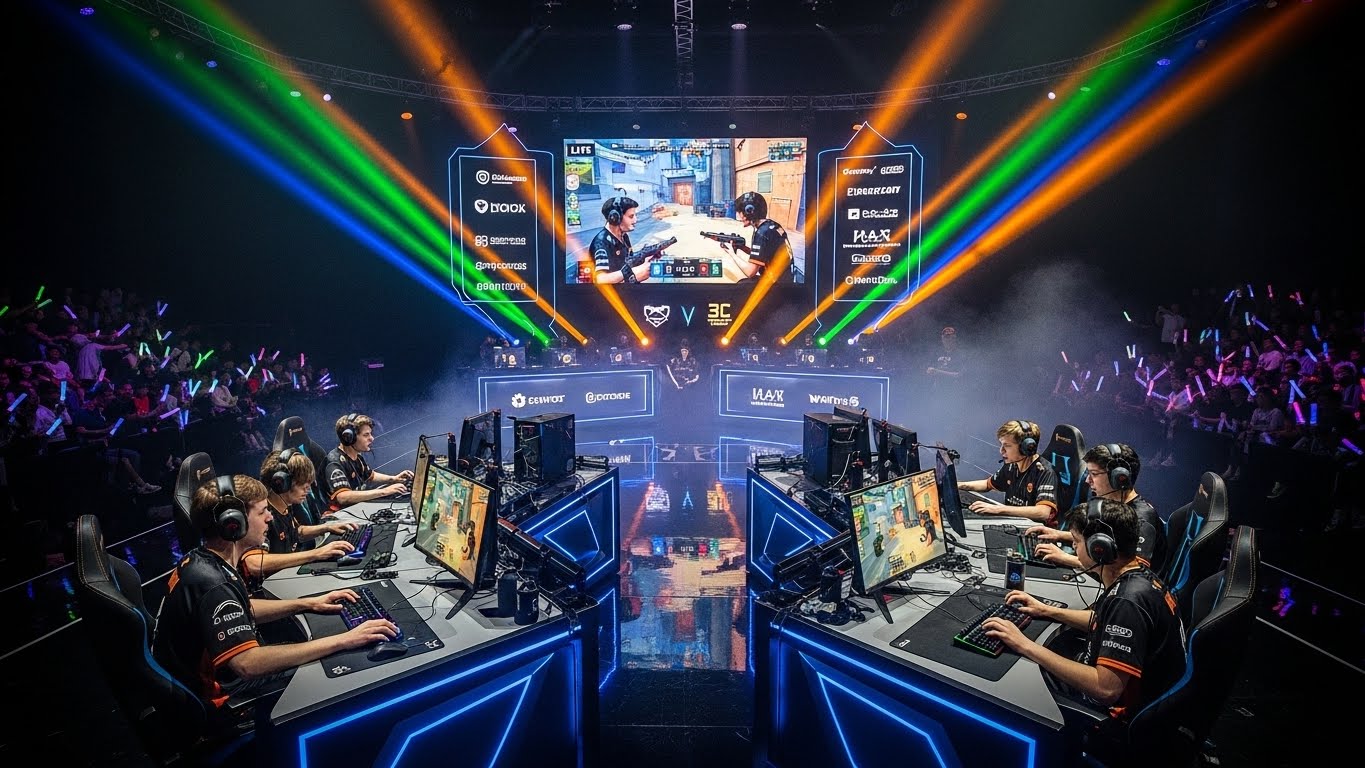

Esports, or electronic sports, has rapidly emerged as one of the most influential and fastest-growing sectors in the global entertainment industry. Once considered a niche hobby for passionate gamers, competitive video gaming has evolved into a billion-dollar industry, captivating millions of viewers, players, and fans worldwide. With professional leagues, sponsorships, live-streaming platforms, and a massive fanbase, esports has become a cultural phenomenon in its own right. But what exactly is esports, how did it become so popular, and why is it more than just a game? This blog post will explore the rise of esports, its impact on the gaming community, its commercialization, and what the future holds for this dynamic industry.
What Is Esports?
At its core, esports refers to organized, multiplayer video game competitions, particularly between professional players, individually or as teams. While competitive gaming has been around since the early days of video games, the term “esports” and its modern form only began to take shape in the late 1990s and early 2000s. Today, esports spans various game genres, including first-person shooters (FPS), multiplayer online battle arena (MOBA), real-time strategy (RTS), sports simulation, and battle royale games.
Unlike casual gaming, which is often played for fun and relaxation, esports focuses on skill, strategy, teamwork, and competition. Professional players dedicate themselves to mastering specific games, often spending hours a day practicing and studying the game mechanics. Many of them compete in tournaments and leagues, with some becoming celebrities in their own right, earning sponsorships, contracts, and a loyal fanbase.
Esports events attract millions of viewers who watch matches via live-streaming platforms like Twitch, YouTube Gaming, and Facebook Gaming, and some competitions are even broadcast on traditional television networks. These events feature live commentary from professional casters, analysts, and hosts, creating an electrifying atmosphere similar to traditional sports events. Major tournaments like The International (Dota 2), League of Legends World Championship, and Fortnite World Cup draw massive audiences, showcasing the global appeal and scale of competitive gaming.
The History of Esports: From Niche to Mainstream
Esports has not always been the cultural powerhouse it is today. In fact, it began as a niche activity for passionate gamers in the 1980s and 1990s. The first known esports tournament was the Space Invaders Championship held in 1980, where players competed for a grand prize of $10,000. However, it wasn’t until the rise of the internet and online multiplayer games in the late 1990s and early 2000s that esports began to gain serious traction.
The Early Days: LAN Parties and Online Competitions
In the early days of competitive gaming, players would gather at local area network (LAN) parties to compete in games like Quake, StarCraft, and Counter-Strike. These informal tournaments were often held in basements, living rooms, or gaming centers, with friends and strangers coming together to showcase their skills. The excitement of these grassroots competitions created a sense of community and camaraderie among gamers, laying the foundation for the esports culture we know today.
The Birth of Professional Leagues and Tournaments
As online gaming became more widespread in the early 2000s, larger-scale tournaments began to take shape. In 2000, the Cyberathlete Professional League (CPL) was founded, and in 2002, The World Cyber Games (WCG) held its first global competition. These tournaments marked the beginning of professional esports leagues and brought together players from around the world to compete for prizes and recognition.
Games like Warcraft III, StarCraft, and Counter-Strike became staples in the esports scene, with professional players and teams emerging as the early pioneers of the industry. These tournaments were often broadcast via internet streaming platforms, which allowed fans to watch matches live and interact with players and commentators.
The Growth of Streaming Platforms and Global Exposure
The next significant milestone in the history of esports came with the rise of streaming platforms like Twitch, YouTube Gaming, and Facebook Gaming. In 2011, Twitch launched as a platform dedicated to live-streaming video games, and it quickly became the go-to destination for esports enthusiasts. Professional players, teams, and organizations began to stream their gameplay to thousands of viewers, creating an entirely new avenue for fans to engage with esports.
By 2013, Twitch had become a dominant force in the gaming community, with major esports tournaments being broadcast live for global audiences. The introduction of live-streaming also opened the door for esports personalities and influencers to build massive followings, with players like Ninja (Tyler Blevins) and Shroud (Michael Grzesiek) becoming household names. These personalities brought esports into the mainstream, attracting new viewers who had never considered watching video games as a form of entertainment.
The Rise of Esports as a Business
As esports gained popularity, it began to attract the attention of major investors, corporations, and media companies. The competitive gaming scene, once driven by grassroots organizations and enthusiasts, became a multi-billion-dollar business. Today, esports is a highly commercialized industry with sponsorship deals, team organizations, merchandise, advertising, and media rights all contributing to its financial success.
Sponsorship and Advertising: The Backbone of Esports
One of the key factors driving the growth of esports is its sponsorship and advertising potential. Major brands, ranging from tech companies like Intel and NVIDIA to global consumer brands like Coca-Cola and Red Bull, have recognized the vast audience that esports attracts. These companies sponsor teams, players, and events, providing funding and resources in exchange for brand exposure.
Sponsorships are not limited to just brands in the gaming and tech industries. Companies from various sectors, including fast food, automotive, and fashion, have jumped on the esports bandwagon, seeking to reach the young, tech-savvy demographic that makes up the majority of esports fans. As esports continues to grow, more and more brands are recognizing its value as a marketing tool, helping to fuel the industry’s expansion.
The Emergence of Esports Organizations
With the increasing demand for professional esports, organizations and teams began to form, resembling the structures of traditional sports teams. These esports organizations recruit top-tier players, provide them with training, coaching, and resources, and compete in various leagues and tournaments. Major esports organizations like Team Liquid, Cloud9, Fnatic, and T1 have established themselves as household names in the esports world, boasting dedicated fanbases and partnerships with major brands.
These organizations also extend beyond the games themselves. Many have established streaming channels on platforms like Twitch and YouTube, where fans can watch their players practice, compete, and interact with the community. The rise of esports organizations has also created job opportunities in various fields, including coaching, management, production, and content creation, further professionalizing the industry.
Esports in the Mainstream Media
Esports’ mainstream appeal continues to grow, with many major media outlets and broadcasters now covering competitive gaming events. In 2018, ESPN began airing esports competitions, including the Overwatch League and The International. Other major networks like Fox Sports, Turner Sports, and NBC Sports have also dipped their toes into the esports broadcasting world, signaling a broader recognition of esports as a legitimate form of entertainment.
Moreover, traditional sports teams and leagues are starting to invest in esports. The NBA’s NBA 2K League, the NFL’s Madden NFL Championship Series, and the partnership between FC Barcelona and eFootball PES are just a few examples of how professional sports are embracing the esports phenomenon. This cross-pollination between traditional sports and esports has contributed to the continued legitimization and growth of competitive gaming as a professional endeavor.
The Global Esports Community
One of the most fascinating aspects of esports is its global appeal. While many forms of entertainment cater to regional or national audiences, esports is a truly international phenomenon. Competitive gaming transcends borders, with players and fans from all corners of the globe coming together to celebrate their love for gaming.
International Tournaments and Championships
Major esports tournaments like The International (Dota 2), League of Legends World Championship, and BlizzCon draw players and fans from across the world. These tournaments feature players from various countries competing for multi-million-dollar prize pools, creating a truly global spectacle. Fans travel from all over the world to attend these events, adding to the cultural exchange and sense of unity within the esports community.
The global nature of esports also means that there is a significant amount of cross-cultural influence. Players from different countries and regions bring unique playstyles, strategies, and perspectives to the games they compete in. This cultural exchange is part of what makes esports such a rich and diverse ecosystem.
The Role of Streaming and Social Media in Globalization
The rise of streaming platforms like Twitch and YouTube Gaming has played a huge role in connecting the global esports community. Fans from different parts of the world can tune in to watch their favorite players and teams, regardless of their location. This accessibility has helped democratize esports, allowing players from smaller or less-recognized regions to gain exposure and build fanbases.
Social media platforms like Twitter, Instagram, and TikTok also play a key role in uniting the esports community. Players, teams, and fans engage with each other on these platforms, sharing content, celebrating victories, and discussing strategies. Social media has helped esports develop a sense of community, even for those who cannot attend events in person.
The Future of Esports: What’s Next?
As esports continues to grow, the question arises: where is it headed next? The future of esports is filled with potential, and several trends are poised to shape the industry in the coming years.