Esports has emerged as one of the most influential forms of modern entertainment, blending technology, competition, and culture into a powerful global movement. What once started as casual video game matches among friends has evolved into a professional ecosystem with structured leagues, international tournaments, and millions of passionate fans. Esports represents a shift in how competition is defined in the digital age, proving that skill, strategy, and teamwork can thrive beyond physical playing fields. This blog explores the origins, growth, impact, and future of esports, highlighting why it has become a defining force in contemporary culture.
The Origins of Competitive Gaming
The foundation of esports was laid in the early days of video gaming when players competed for high scores in arcades and home consoles. These early competitions were informal, driven by curiosity and passion rather than organized systems. As technology improved, multiplayer games allowed players to challenge one another directly, introducing competition as a central element of gaming. Local tournaments and community events slowly gained popularity, demonstrating that video games could support structured competition. These early experiences shaped the competitive spirit that would later define esports.
The Internet and the Expansion of Esports
The widespread availability of the internet transformed competitive gaming into a global phenomenon. Online connectivity removed geographical barriers, allowing players from different regions to compete in real time. Matchmaking systems, rankings, and online tournaments created standardized competitive environments. Spectators could now watch live matches, follow teams, and engage with players, significantly increasing esports’ visibility. This global accessibility fueled the rapid growth of esports, turning it from a niche interest into an international industry.
Esports Genres and Competitive Diversity
Esports includes a wide range of game genres, each offering unique competitive experiences. Multiplayer online battle arena games focus on teamwork, strategy, and map control. First-person shooters demand quick reflexes, precise aiming, and tactical decision-making. Real-time strategy games emphasize long-term planning, adaptability, and resource management. Fighting games require timing, execution, and deep knowledge of mechanics. Sports simulation games bring traditional athletic competition into the digital world. This diversity ensures that esports appeals to players and fans with varied interests and skill sets.
The Life of a Professional Esports Player
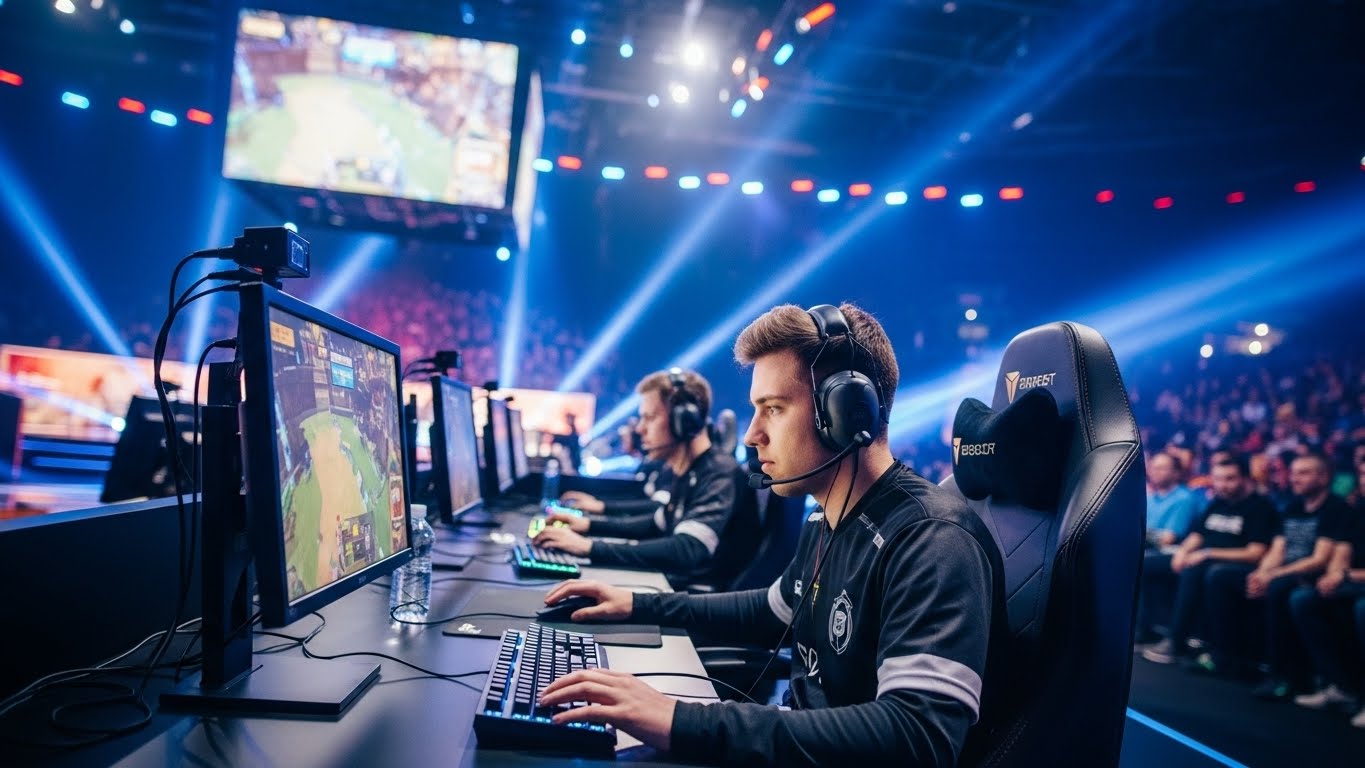
Professional esports players dedicate their lives to mastering their chosen games. Their daily routines often include hours of practice, strategy development, team coordination, and performance review. Unlike casual gaming, professional play requires discipline, consistency, and continuous improvement. Many players work with coaches, analysts, and support staff who help refine skills and tactics. The commitment required to succeed in esports is comparable to that of traditional athletes, highlighting the seriousness and professionalism of competitive gaming.
Teamwork and Strategy in Esports
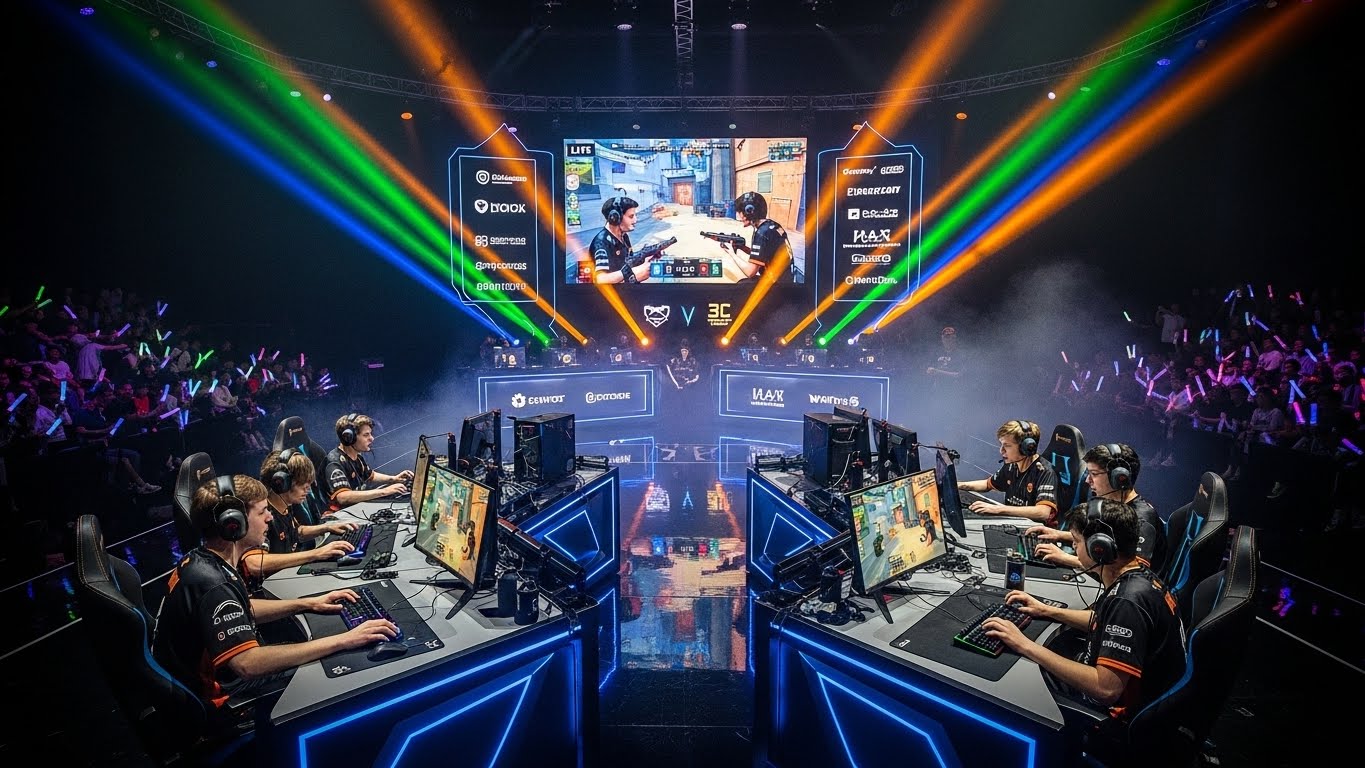
Team-based esports rely heavily on communication, coordination, and trust. Success depends not only on individual skill but also on how well players work together. Teams develop strategies tailored to their strengths and opponents’ weaknesses, often adjusting tactics mid-match. Clear communication and adaptability are essential, especially in high-pressure situations. These dynamics make esports deeply strategic, rewarding players who can think critically and collaborate effectively.
Mental Strength and Competitive Pressure
Esports competition places intense mental demands on players. Matches often require sustained focus, quick decision-making, and emotional control. The pressure of live audiences, high stakes, and expectations can be overwhelming. To perform consistently, players develop mental resilience through structured routines, mindfulness practices, and psychological training. Managing stress and maintaining confidence are crucial skills that extend beyond gaming, contributing to personal growth and emotional intelligence.
Physical Health in Esports
Although esports is a digital competition, physical health plays a vital role in performance. Long practice sessions can strain the eyes, hands, and posture if not properly managed. Professional players prioritize physical fitness to maintain endurance, reaction time, and concentration. Regular exercise, stretching, balanced nutrition, and adequate rest are essential components of a healthy esports lifestyle. This holistic approach demonstrates that digital athletes must care for their bodies as much as their minds.
Esports as a Career Industry
Esports has created a wide range of career opportunities beyond professional play. Coaches, analysts, commentators, event organizers, content creators, and marketing professionals all contribute to the ecosystem. Game developers and publishers support competitive scenes by designing balanced and engaging experiences. Educational institutions have begun recognizing esports through scholarships and specialized programs. These opportunities show that esports is not just a hobby but a legitimate industry with long-term career potential.
Fan Culture and Community Engagement
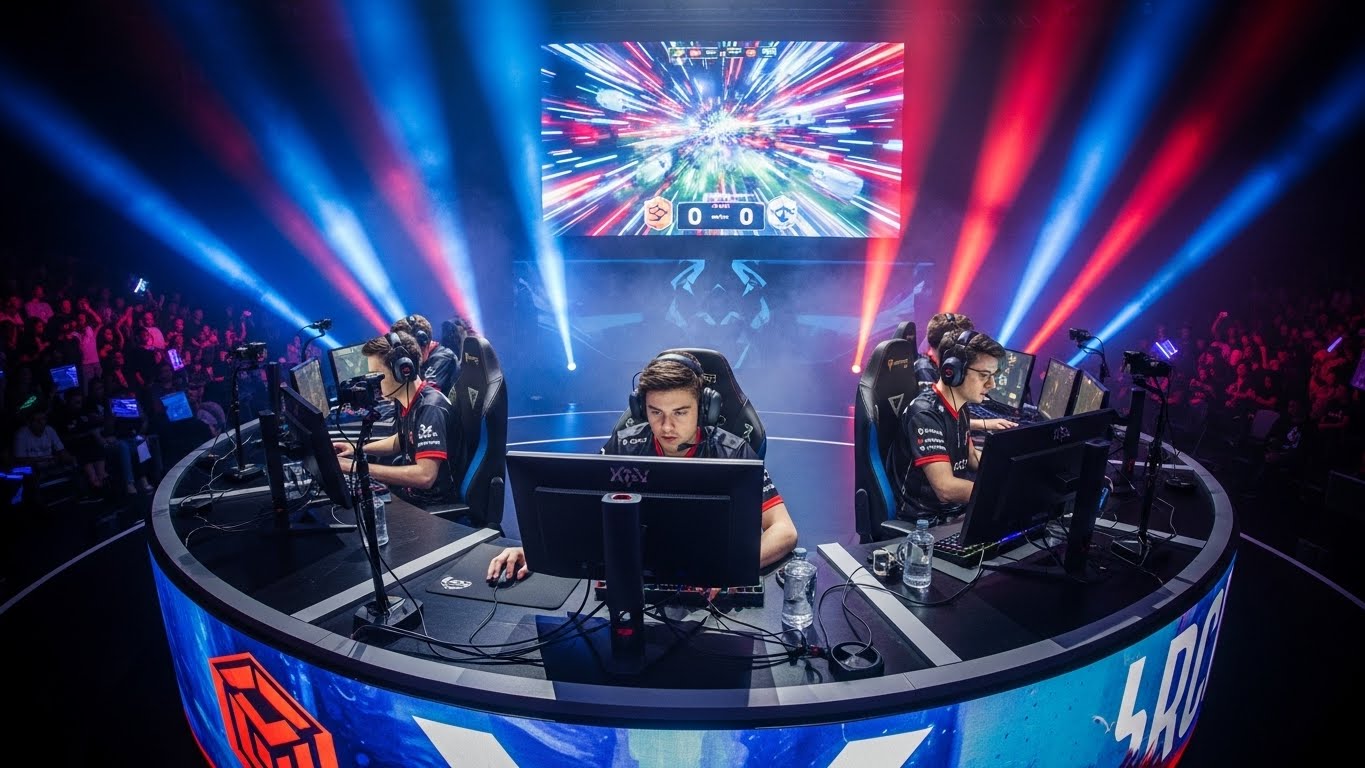
The esports community is one of its greatest strengths. Fans actively support teams, analyze matches, and engage in discussions that deepen their connection to the competition. Live events and online broadcasts create shared experiences that unite audiences across cultures and regions. Unlike traditional sports, esports allows closer interaction between players and fans, fostering loyalty and engagement. This sense of belonging strengthens the global esports community and fuels its continued growth.
Economic Impact of Esports
Esports has become a significant economic force, generating revenue through tournaments, sponsorships, merchandise, and media production. Major events attract large audiences and investment, contributing to local and global economies. The industry supports jobs across technology, entertainment, and marketing sectors. Cities that host esports events benefit from tourism and international exposure. The economic success of esports reflects its growing importance within the entertainment landscape.
Inclusivity and Global Reach
Esports offers a unique level of inclusivity, allowing players from diverse backgrounds to compete on equal footing. Skill, strategy, and dedication matter more than physical attributes, making esports accessible to a broad audience. International competitions bring together players from different cultures, promoting global interaction and understanding. Efforts to improve diversity and representation continue to shape the industry, making esports a platform for inclusive competition and cultural exchange.
Challenges Facing the Esports Industry
Despite its success, esports faces challenges that must be addressed for sustainable growth. Player burnout and short career spans are common due to intense competition and training demands. Online toxicity and cheating can undermine community trust. Inconsistent regulations across regions and games create organizational difficulties. Addressing these issues requires collaboration among developers, teams, players, and organizers to create a fair, healthy, and ethical competitive environment.
Technology as the Backbone of Esports
Technology is the foundation of esports, driving innovation in gameplay, broadcasting, and training. Advances in hardware and software improve performance and accessibility. Analytical tools help teams study strategies and refine gameplay. Broadcasting technology enhances the viewing experience, making matches more engaging and immersive. As technology continues to evolve, it will further expand the possibilities of esports competition and entertainment.
The Future of Esports
The future of esports is filled with potential and innovation. Emerging technologies such as virtual reality and artificial intelligence are expected to transform gameplay and spectator experiences. Esports will continue to expand into new regions, developing local talent and audiences. Educational programs and grassroots initiatives will nurture the next generation of players and professionals. As esports matures, it will continue redefining competition, blending digital innovation with human skill and passion.
Esports as a Cultural Movement
Beyond competition, esports represents a cultural shift in how entertainment and sport are perceived. It reflects the digital nature of modern society, where technology and creativity intersect. Esports challenges traditional definitions of athleticism and competition, proving that mental agility and teamwork are just as valuable as physical strength. This cultural influence ensures that esports will remain relevant and impactful in the years to come.
Conclusion
Esports has evolved from casual gaming into a global competitive powerhouse that influences culture, economy, and entertainment. It demands discipline, strategy, teamwork, and mental resilience while offering diverse career opportunities and fostering global communities. Despite challenges, esports continues to grow through innovation, inclusivity, and passionate participation. As technology advances and audiences expand, esports will remain a defining force in modern competition, proving that the digital arena is as thrilling and meaningful as any traditional field of play.