Introduction: The Rise of a New Competitive Era
Esports, short for electronic sports, has emerged as one of the most influential forms of modern entertainment. What once started as casual gaming among friends has transformed into a global competitive industry with professional players, massive tournaments, and millions of dedicated fans. Esports represents a fusion of technology, competition, and culture, redefining how people perceive sports and entertainment. This blog explores the journey of esports, its structure, its cultural and economic influence, and the future that lies ahead.
The Origins of Esports
The roots of esports can be traced back to the early days of video gaming when players competed for high scores in arcades. As gaming technology evolved, competitive play became more organized. Local tournaments and small-scale competitions gradually gained popularity, especially with the rise of personal computers and gaming consoles. Multiplayer games introduced the concept of teamwork and strategy, laying the foundation for modern esports. These early competitions were driven purely by passion and community, setting the stage for a global phenomenon.
Technological Advancements Driving Growth
Technology has been the backbone of esports expansion. High-speed internet enabled real-time online multiplayer gaming, allowing players from different regions to compete seamlessly. Advancements in graphics, processing power, and game design created immersive experiences that appealed to both players and spectators. Streaming technology revolutionized esports by making live matches accessible to global audiences. Fans could watch professional players, learn strategies, and engage with the community, accelerating the growth of esports beyond traditional boundaries.
Esports as a Professional Industry
Esports has evolved into a structured professional industry with teams, leagues, and governing bodies. Professional players train rigorously, often dedicating long hours to practice, analysis, and teamwork. Teams employ coaches, analysts, and support staff to improve performance and maintain consistency. Sponsorships, salaries, prize money, and content creation provide multiple income streams for players. This professional ecosystem has legitimized esports as a viable career path for talented and disciplined individuals.
The Skill and Discipline Behind Esports
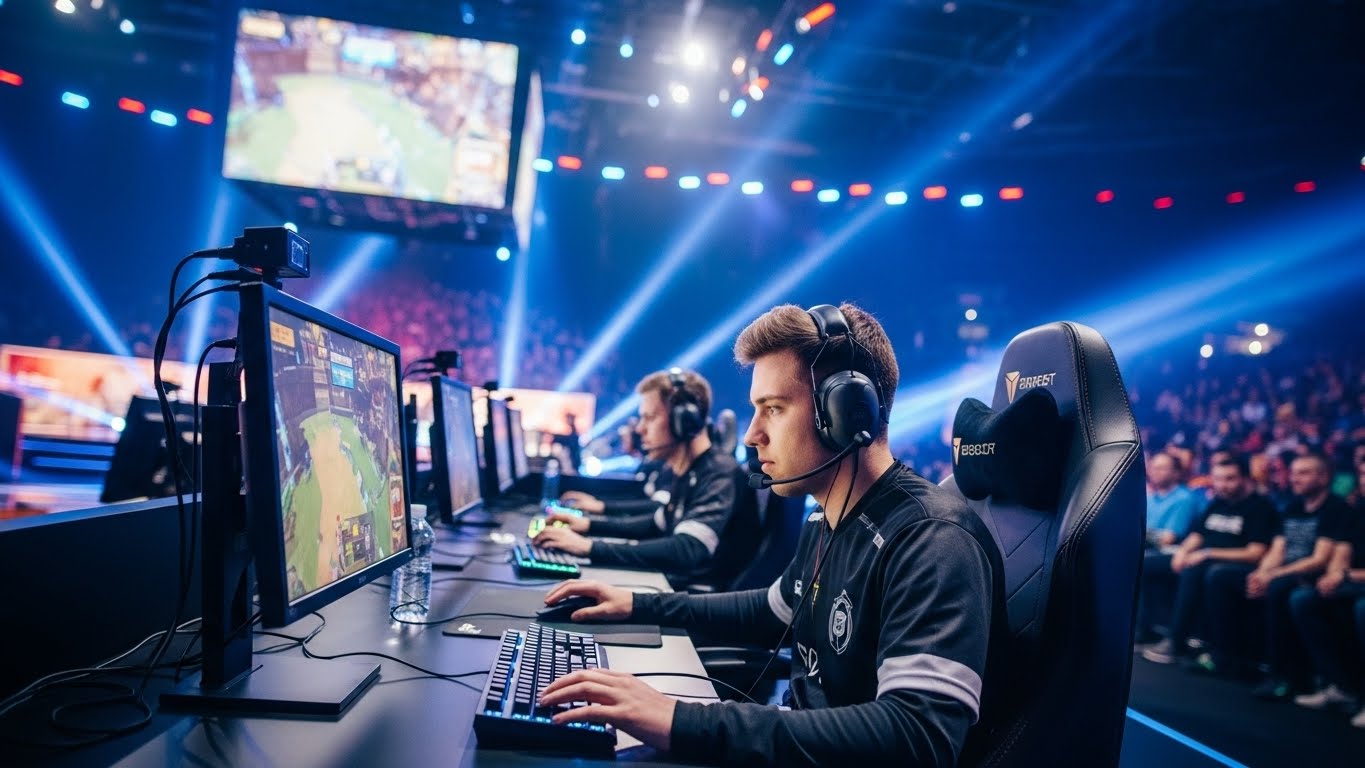
Contrary to common misconceptions, esports demands a high level of skill and discipline. Players must possess exceptional reflexes, hand-eye coordination, and strategic thinking. Competitive matches require quick decision-making under pressure, precise execution, and adaptability. Team-based games emphasize communication, leadership, and trust among teammates. Mental endurance is equally important, as players must remain focused for extended periods. These qualities highlight esports as a competitive discipline comparable to traditional sports.
Popular Esports Genres
Esports encompasses a wide range of game genres, each offering unique competitive experiences. Multiplayer online battle arena games focus on strategy, teamwork, and map control. First-person shooter games emphasize accuracy, reflexes, and tactical awareness. Real-time strategy games require resource management and long-term planning. Sports simulation games replicate real-world sports, blending traditional athletic concepts with digital competition. This diversity ensures that esports appeals to a broad audience with varying interests and skills.
The Global Esports Community
One of the defining features of esports is its global community. Players and fans from different cultures and backgrounds come together through shared passion. Online platforms allow fans to interact, discuss strategies, and support their favorite teams. International tournaments bring together competitors from around the world, fostering cultural exchange and unity. This sense of belonging and global connection is a major reason esports continues to attract millions of participants and viewers.
Major Esports Tournaments
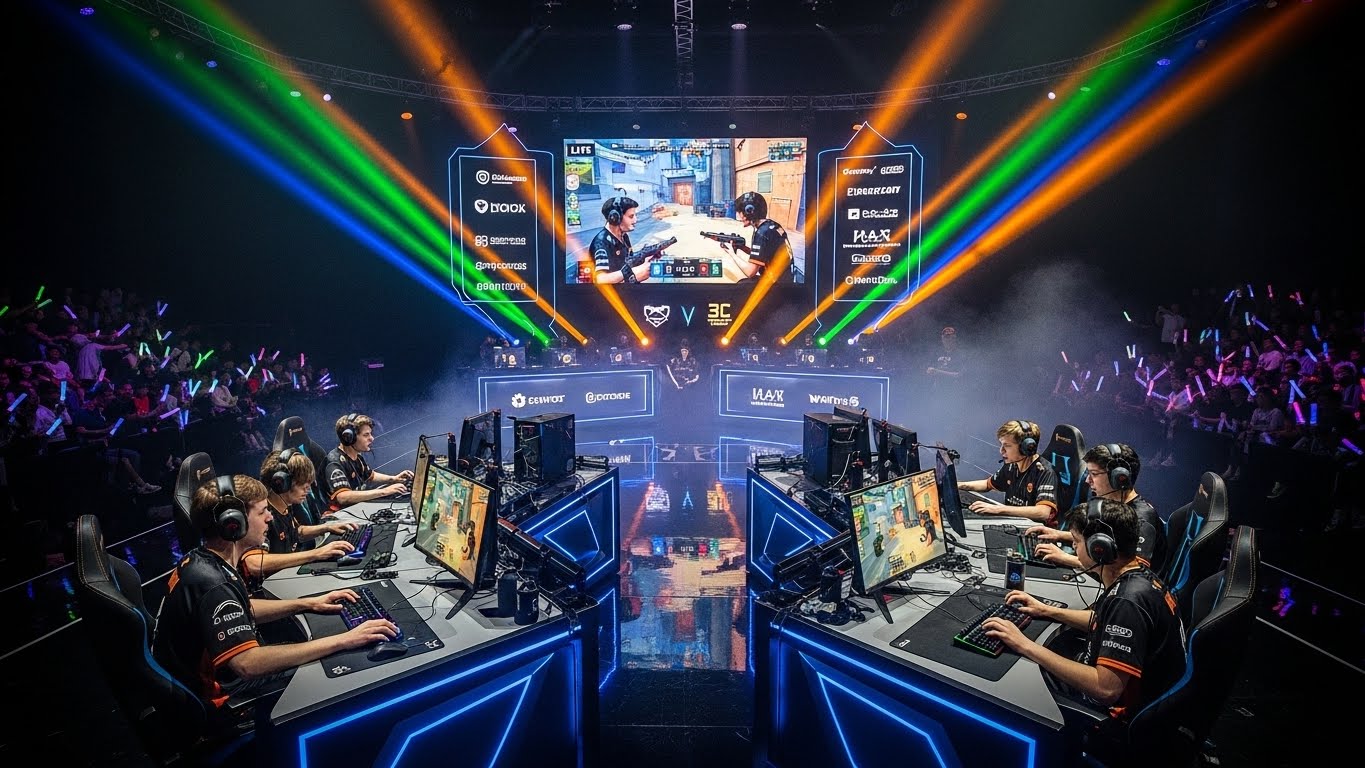
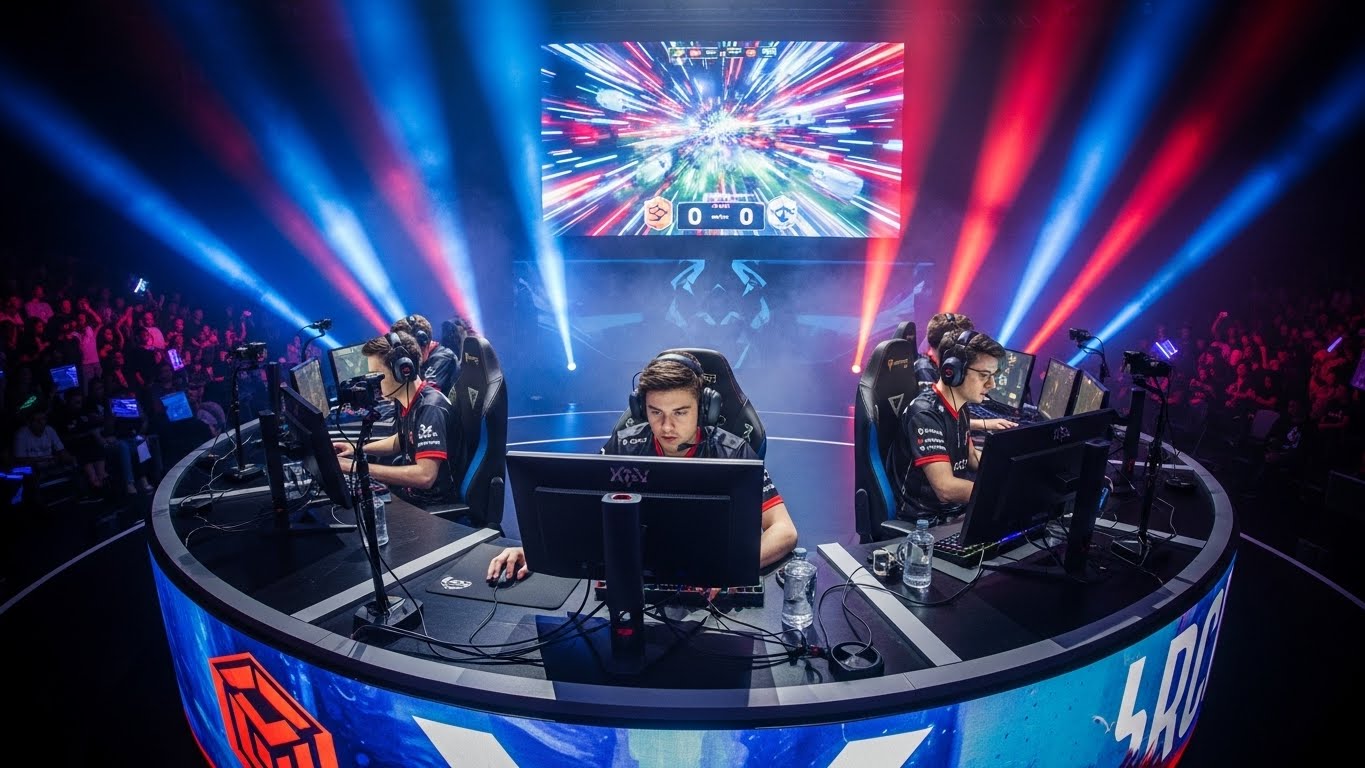
Large-scale tournaments are the highlight of the esports calendar. These events feature the best teams competing for prestige and substantial prize pools. Hosted in arenas filled with fans, tournaments are produced with high-quality broadcasts, commentary, and analysis. The excitement, drama, and unpredictability of these competitions captivate audiences worldwide. Major tournaments have played a crucial role in elevating esports to mainstream recognition and legitimacy.
Economic Impact of Esports
The esports industry has become a significant economic force. Revenue streams include sponsorships, advertising, merchandise, ticket sales, and media rights. Game developers invest heavily in competitive scenes to extend the lifespan of their titles. Cities and countries benefit economically by hosting tournaments, attracting tourism and global attention. Educational institutions and training programs focused on esports management, game design, and digital marketing further contribute to industry growth.
Esports and Youth Culture
Esports holds a special place in youth culture, resonating strongly with younger generations. It provides an alternative platform for competition, creativity, and self-expression. Many young people view professional gamers as role models, inspired by their dedication and success. Esports also encourages the development of digital skills, strategic thinking, and teamwork. By aligning with the interests of digital-native generations, esports continues to shape modern youth identity.
Challenges Facing the Esports Industry
Despite its rapid growth, esports faces several challenges. Player burnout is a growing concern due to intense schedules and constant performance pressure. Issues such as cheating, match manipulation, and lack of standardized regulations pose risks to competitive integrity. Toxic behavior within online communities can discourage participation and inclusivity. Addressing these challenges requires strong governance, mental health support, and community education to ensure sustainable growth.
Esports and Mainstream Recognition
Esports has steadily gained acceptance within mainstream culture. Traditional sports organizations, media companies, and celebrities have invested in esports teams and events. Coverage of major tournaments has expanded beyond digital platforms to mainstream media outlets. While esports maintains its unique digital identity, this crossover has helped bridge the gap between traditional sports fans and gaming enthusiasts, further expanding its audience.
The Role of Content Creators and Streaming
Content creators and streamers play a vital role in the esports ecosystem. They provide entertainment, education, and engagement beyond competitive matches. Through live gameplay, tutorials, and commentary, creators build personal connections with fans. This content-driven culture has democratized esports, allowing individuals to gain recognition through skill, personality, or creativity. Streaming has become an essential pillar supporting esports growth and fan engagement.
Education and Career Opportunities in Esports
Esports has opened doors to diverse career opportunities beyond professional play. Roles in coaching, analysis, event management, marketing, broadcasting, and game development are in high demand. Educational institutions now offer esports programs and scholarships, recognizing the industry’s potential. These opportunities highlight esports as a multifaceted field that combines technology, business, and creativity.
The Future of Esports
The future of esports is filled with possibilities. Advancements in technology, such as virtual reality and artificial intelligence, may redefine competitive gaming experiences. Mobile esports are expanding access, especially in emerging markets. Greater emphasis on player well-being, inclusivity, and regulation will strengthen the industry’s foundation. As storytelling and fan engagement evolve, esports will continue to grow as both a competitive and cultural force.
Conclusion: More Than Just a Game
Esports has evolved from a niche hobby into a global phenomenon that influences entertainment, culture, and economy. It represents a new form of competition that blends skill, technology, and community. Through innovation, dedication, and global connection, esports has redefined what it means to be an athlete and a fan in the digital age. As it continues to evolve, esports stands as a powerful testament to the potential of digital competition and the unifying power of play.