
Introduction
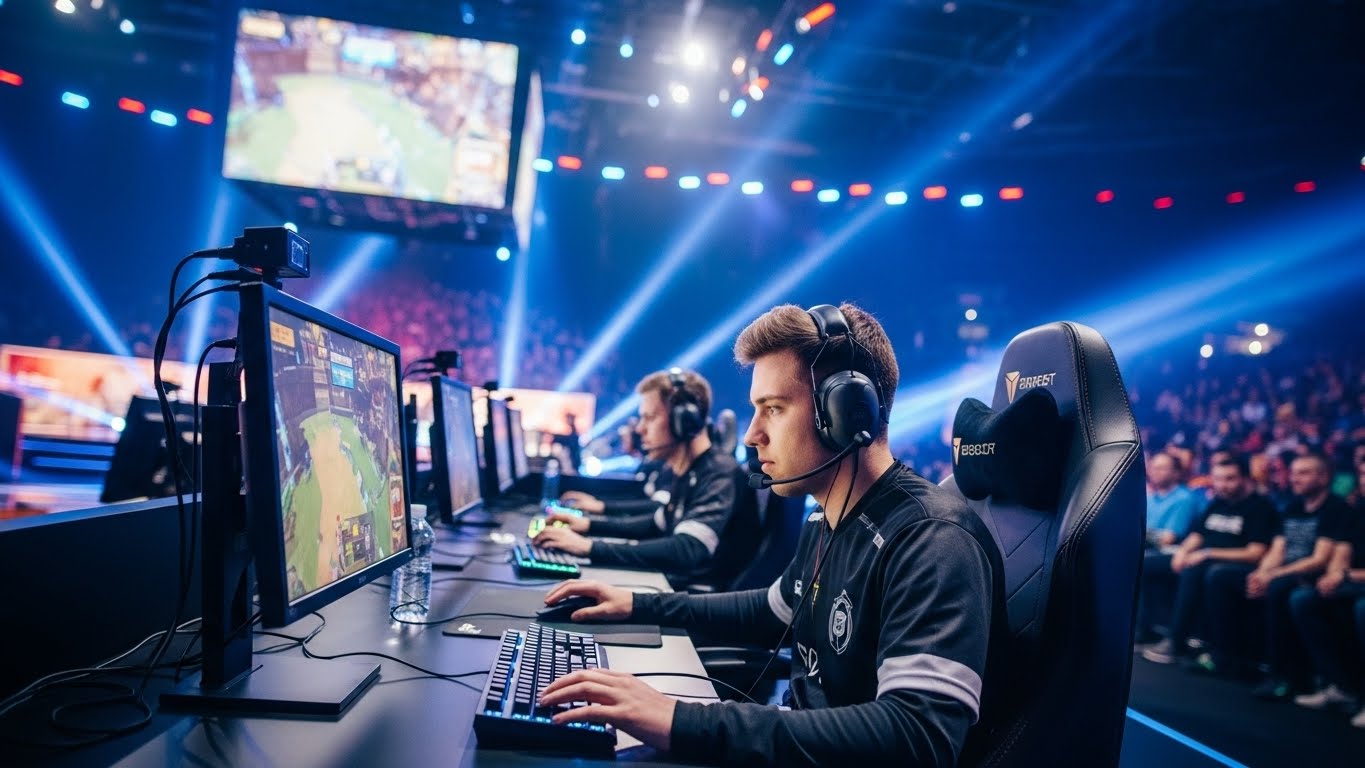
In recent years, esports has evolved from a niche hobby into a global phenomenon that captivates millions of fans and players alike. What was once dismissed as mere video gaming is now recognized as a legitimate form of competition, entertainment, and career opportunity. Esports transcends age, geography, and language, creating a unique culture that blends technology, athleticism, strategy, and creativity. Its rapid growth raises important questions about the future of competitive gaming and its role in modern society.
The Evolution of Esports
The roots of esports trace back to the early 1970s, when video games became a popular pastime and small tournaments emerged in arcades and college campuses. Early competitions focused on games like Pong, Space Invaders, and later, classic titles such as Street Fighter and StarCraft. These events were modest but laid the foundation for organized competitive gaming.
The rise of online gaming in the late 1990s and early 2000s revolutionized esports. Players could now compete across cities and continents, fostering international rivalries and communities. The introduction of multiplayer online battle arenas and first-person shooters brought unprecedented levels of strategy and teamwork to the gaming world. Today, esports encompasses a wide range of genres, including MOBAs, fighting games, real-time strategy games, battle royales, and sports simulations.
The Competitive Spirit
At its core, esports is about competition. Professional esports athletes train rigorously, often dedicating more hours to practice than traditional athletes. Reflexes, strategy, communication, and mental endurance are crucial for success. Teams spend countless hours analyzing opponents’ tactics, refining their strategies, and honing individual skills to gain even the smallest edge.
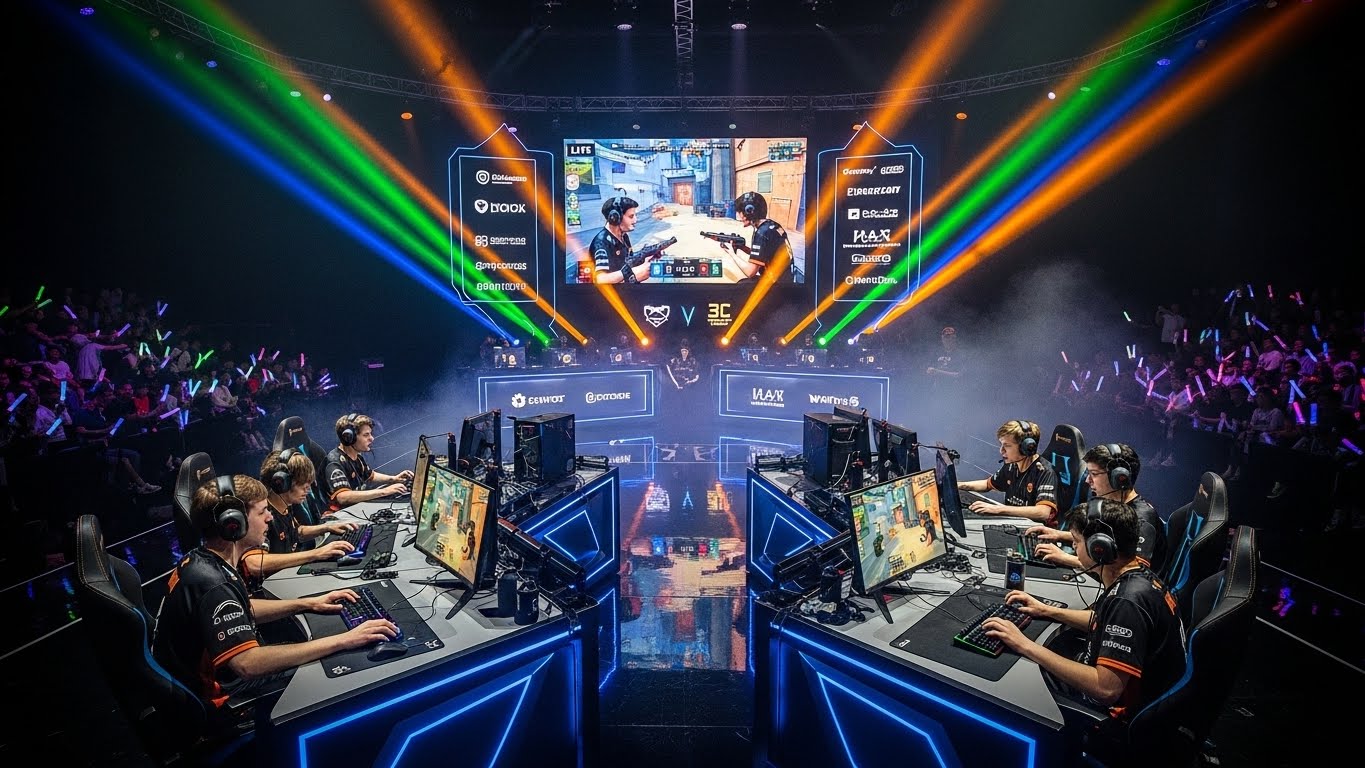
High-level esports tournaments feature intense rivalries and dramatic storylines that rival traditional sports. Championships such as The International for Dota 2, the League of Legends World Championship, and the Fortnite World Cup offer multi-million-dollar prize pools, attracting elite players from around the globe. The level of professionalism in esports has grown so rapidly that many organizations now have coaches, analysts, psychologists, and nutritionists to support their players’ performance.
The Cultural Impact of Esports
Esports is not just a competition; it is a cultural movement. Streaming platforms and social media allow fans to follow their favorite players and teams in real time. Communities form around games, sharing memes, strategies, and live reactions. Esports has also influenced fashion, music, and even language, with terms from popular games entering everyday conversation.
Moreover, esports is helping break down traditional stereotypes. Competitive gaming is no longer limited to young males; female gamers, diverse ethnicities, and older players are carving their place in the scene. This inclusivity has made esports a powerful example of how digital spaces can foster creativity and collaboration across different demographics.
Esports as a Career
For many, esports represents a legitimate career path. Professional players can earn salaries, sponsorships, and prize money, while content creators and streamers generate income through ad revenue, subscriptions, and brand partnerships. Behind the scenes, numerous roles contribute to the industry’s growth, including commentators, event organizers, team managers, analysts, and developers.
Universities and institutions have recognized this potential, offering scholarships for esports athletes and even creating esports programs. These initiatives provide training, mentorship, and academic opportunities, signaling that esports is no longer a fringe activity but a viable professional pursuit.
Mental and Physical Challenges in Esports
While esports offers exciting opportunities, it is not without challenges. Professional gaming demands mental stamina, focus, and emotional control. Players often face long hours of practice, high-pressure competition, and public scrutiny. Burnout and stress are common concerns in the esports community, highlighting the need for mental health support.
Physical health is also a consideration. Repetitive movements, long screen time, and sedentary habits can lead to injuries such as carpal tunnel syndrome, eye strain, and posture-related problems. As a result, top-tier players now incorporate physical training, ergonomic practices, and proper nutrition into their routines to maintain peak performance.
Technology and Innovation in Esports
Esports is deeply intertwined with technology. Advanced hardware, high-speed internet, and innovative software have enabled smoother gameplay, immersive experiences, and global connectivity. Streaming platforms and broadcasting technology allow tournaments to reach audiences worldwide, often with professional commentary and cinematic production values.
Virtual reality and augmented reality are also beginning to make an impact, promising new ways to experience esports and blurring the line between digital and physical interaction. Artificial intelligence is being explored for training tools, analytics, and spectator engagement, creating a future where esports could evolve in ways traditional sports cannot.
The Global Esports Market
The economics of esports are staggering. The industry generates billions of dollars annually through sponsorships, advertising, merchandise, ticket sales, and media rights. Brands from various sectors, including technology, fashion, and food and beverage, recognize the marketing potential of esports. Companies are investing heavily in tournaments, content creation, and influencer partnerships to reach the highly engaged esports audience.
Esports also stimulates local economies. Major tournaments held in stadiums and convention centers bring tourism, hospitality, and media attention, boosting the visibility and revenue of host cities. The global nature of esports makes it a truly international phenomenon, connecting cultures through competition and shared passion.
Education and Skill Development
Esports is more than entertainment; it fosters skills applicable beyond gaming. Strategic thinking, teamwork, communication, problem-solving, and adaptability are all critical in esports and transferable to professional and personal contexts. Many players develop leadership skills and resilience as they navigate high-pressure environments and coordinate complex strategies with their teammates.
Educational programs in esports focus not only on gameplay but also on event management, marketing, game design, and digital media production. These programs prepare students for a wide range of careers, reflecting the multifaceted nature of the industry.
Challenges and Controversies
Despite its growth, esports faces challenges and controversies. Issues such as cheating, match-fixing, toxic behavior, and unequal opportunities have occasionally marred the industry. Regulatory frameworks are still evolving, and ensuring fairness, inclusivity, and integrity remains a priority.
Another concern is the perception of esports as “lesser” than traditional sports. Critics argue that competitive gaming lacks physical exertion or traditional athleticism. However, this perspective fails to recognize the cognitive, strategic, and emotional demands of professional esports, which require discipline, practice, and dedication comparable to any traditional sport.
The Future of Esports
The future of esports is bright and filled with potential. As technology advances, experiences will become more immersive, global communities will grow, and professional opportunities will continue to expand. Esports may even intersect with other industries, such as education, entertainment, and social media, creating hybrid experiences that redefine how people work, play, and connect.
Esports will likely gain further recognition as a legitimate form of competition, both culturally and institutionally. International tournaments could rival traditional sporting events in viewership and prestige, while digital platforms will make participation and spectating accessible to virtually anyone.
Conclusion
Esports has transformed from a niche hobby into a global cultural and professional phenomenon. It combines competition, creativity, technology, and community in ways that traditional sports cannot. While challenges exist, the opportunities for growth, innovation, and personal development are immense.
More than just games, esports represents a new way of thinking about competition, collaboration, and entertainment. It challenges perceptions of what it means to be an athlete, a fan, and a creator. As the industry continues to evolve, esports will remain a powerful testament to human ingenuity, passion, and the ever-expanding possibilities of the digital world.