Introduction: From Bedroom Screens to Global Stages
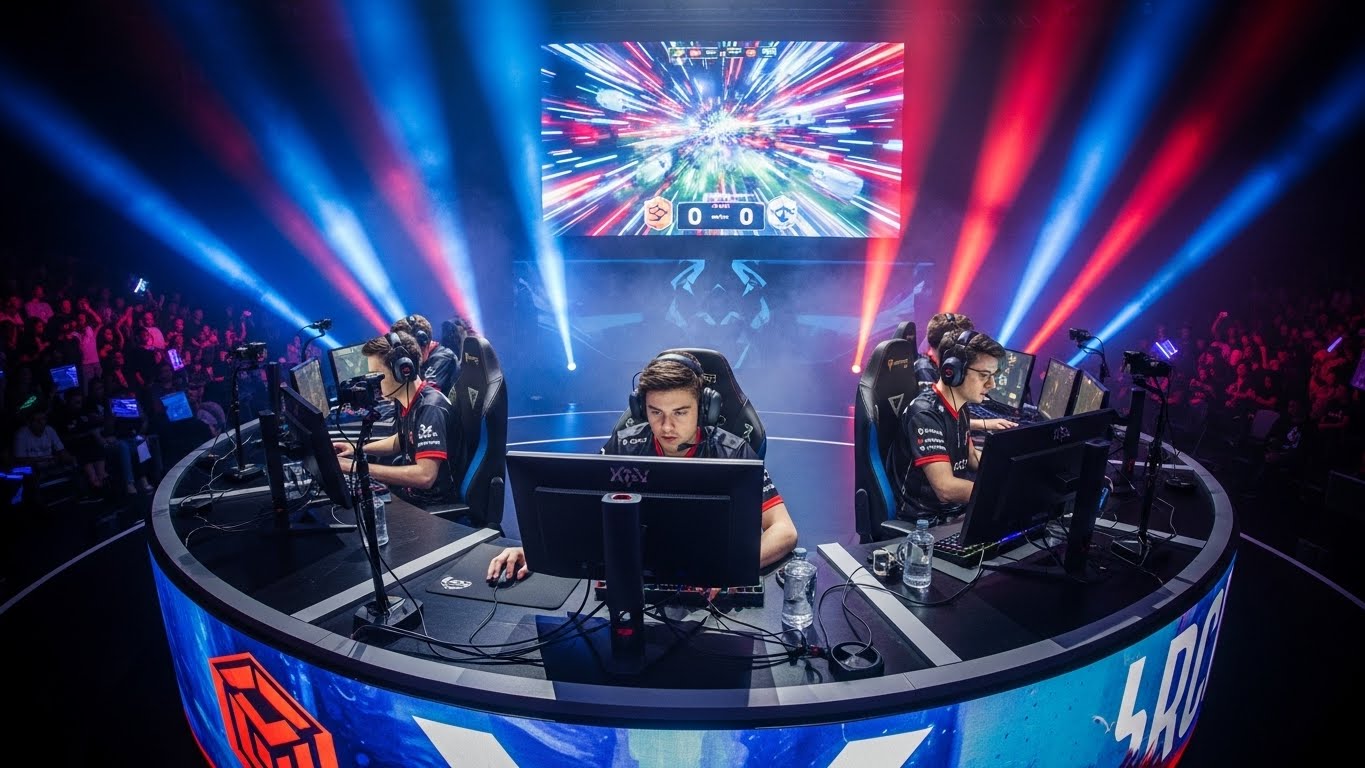
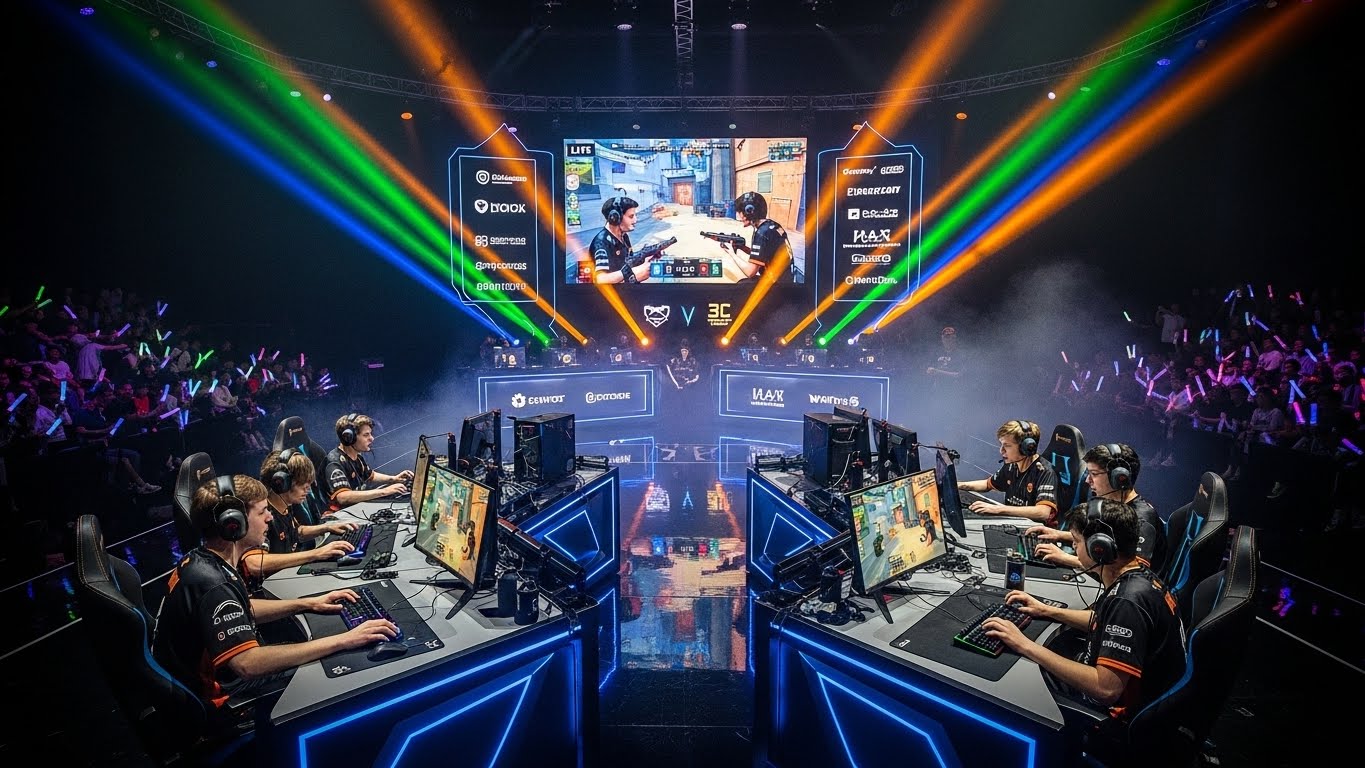
Esports, once dismissed as a niche hobby for teenagers hunched over glowing monitors, has transformed into one of the fastest-growing sectors in global entertainment. Competitive gaming now fills stadiums, commands massive online audiences, and generates careers that rival those in traditional sports. What began as informal contests between friends has evolved into a structured, professional ecosystem with teams, leagues, sponsors, broadcasters, and millions of devoted fans. Esports is no longer asking for permission to exist. It has built its own arena and invited the world to watch.
The Evolution of Competitive Gaming
The roots of esports can be traced back to the early days of video games, when high scores and local tournaments were enough to spark competition. Arcade challenges, LAN parties, and early online matches laid the groundwork for what would come later. As internet access improved and gaming technology advanced, competition became global. Players no longer needed to be in the same room or even the same country to compete.
The real shift happened when developers and organizers recognized competitive gaming as something that could be standardized and monetized. Games were designed with balance, spectator modes, and ranking systems in mind. Tournaments grew in scale and professionalism. What was once casual became disciplined, with rules, referees, and prize pools that demanded serious commitment.
The Games That Built an Industry
Not all video games become esports. The ones that succeed competitively share certain qualities: strategic depth, mechanical skill requirements, balance, and watchability. Multiplayer online battle arenas, first-person shooters, real-time strategy games, and sports simulations have all carved out strong competitive scenes.
These games thrive because they reward mastery over time. Fans are drawn to the narratives that emerge: rivalries between teams, underdog victories, and legendary individual performances. Each title develops its own culture, vocabulary, and style of play, giving fans countless ways to engage beyond simply playing the game themselves.
Players as Professionals
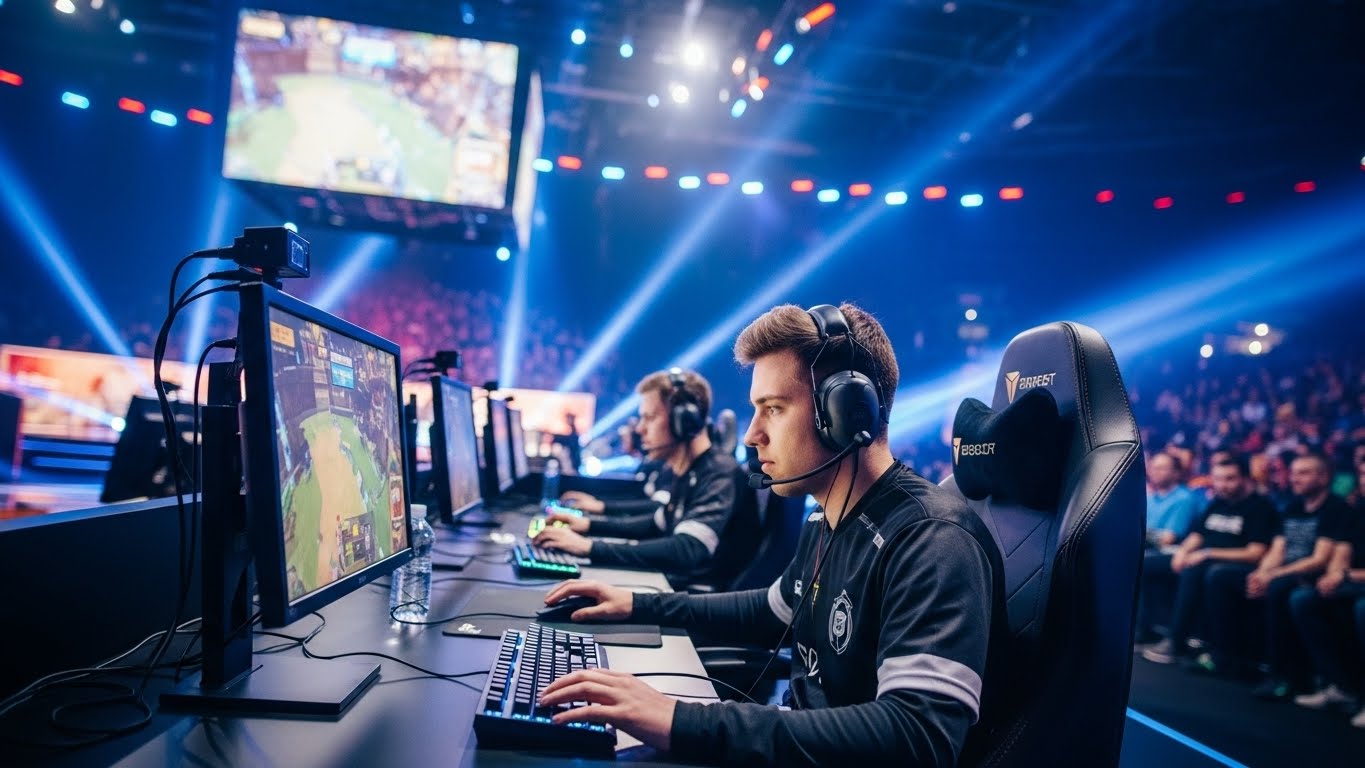
At the heart of esports are the players, whose lives often resemble those of traditional athletes more than casual gamers. Professional players train for hours each day, focusing on mechanics, strategy, teamwork, and mental resilience. Many teams employ coaches, analysts, nutritionists, and psychologists to maximize performance.
The career span of an esports player can be intense and relatively short, often peaking in the late teens or early twenties. This reality has pushed organizations to invest in player welfare, education, and post-retirement opportunities. Streaming, content creation, coaching, and management roles have become common paths for players transitioning out of active competition.
Teams, Organizations, and Infrastructure
Modern esports is built on organizations that function much like sports franchises. Teams sign players to contracts, manage salaries, negotiate sponsorships, and build brand identities. Training facilities, sometimes called gaming houses or performance centers, provide controlled environments where players can practice and live together.
These organizations compete not only in matches but also in marketing, fan engagement, and business strategy. A strong brand can attract loyal supporters, lucrative partnerships, and long-term stability. As a result, esports organizations have become sophisticated businesses with global ambitions.
The Role of Streaming and Media
One of the defining features of esports is how it is consumed. Unlike traditional sports, which rely heavily on television, esports grew alongside streaming platforms. Fans watch live matches, player streams, analysis shows, and behind-the-scenes content, often interacting with broadcasters and each other in real time.
This level of accessibility has helped esports build passionate communities. Viewers feel closer to players and teams because they can watch them practice, joke, and struggle outside of official matches. The line between athlete and entertainer is thinner in esports, creating a unique blend of competition and personality-driven content.
Fans and Community Culture
Esports fans are not passive spectators. They participate actively through online discussions, fan art, memes, and grassroots tournaments. Community culture plays a crucial role in sustaining esports ecosystems, especially for emerging games and regions.
Events, whether held online or in packed arenas, are social experiences. Fans travel across countries to support their favorite teams, wearing jerseys and chanting just as they would at a football match. This sense of belonging is one of esports’ greatest strengths, turning digital competition into shared human experience.
Economic Impact and Career Opportunities
The economic footprint of esports extends far beyond players and teams. Tournament organizers, broadcasters, event staff, developers, marketers, and journalists all contribute to the industry. Universities now offer esports scholarships and academic programs, recognizing competitive gaming as both a sport and a field of study.
Brands from outside the gaming world have also taken notice. Sponsorships from technology companies, clothing brands, food and beverage producers, and financial services firms have injected significant investment into esports. This influx of capital has accelerated growth while also raising questions about sustainability and commercialization.
Challenges Facing the Esports Industry
Despite its success, esports faces several challenges. Player burnout, inconsistent regulations, and financial instability for smaller organizations remain concerns. The lack of a universal governing body means rules and standards can vary widely between games and regions.
There is also ongoing debate about inclusivity and representation. While esports is global by nature, barriers related to gender, access to technology, and online toxicity still limit participation for many potential players and fans. Addressing these issues is essential for long-term growth and legitimacy.
Esports and Traditional Sports: Convergence or Competition
Rather than replacing traditional sports, esports has increasingly intersected with them. Sports clubs have launched their own esports divisions, and athletes have invested in teams or tournaments. Training methods, analytics, and even fan engagement strategies often flow between the two worlds.
At the same time, esports challenges conventional ideas about what a sport can be. Physical exertion may be different, but the demands on reflexes, coordination, strategy, and mental endurance are undeniable. This ongoing conversation continues to shape how esports is perceived by institutions, media, and the public.
The Future of Competitive Gaming
Looking ahead, esports shows no signs of slowing down. Advances in technology, including virtual reality and improved networking, may create entirely new forms of competition. Mobile esports are expanding rapidly, particularly in regions where consoles and PCs are less accessible.
As audiences grow and structures mature, esports is likely to become more standardized, with clearer pathways from amateur to professional play. Education, health, and governance will play increasingly important roles in shaping a sustainable future.
Conclusion: A Digital Arena with Real Stakes
Esports represents more than competitive gaming. It is a cultural shift in how people play, watch, and connect. What happens on screen carries real-world consequences: careers are built, communities are formed, and identities are shaped. The journey from pixels to prestige has been fast, messy, and remarkable.
As esports continues to evolve, it challenges outdated assumptions about competition and entertainment. It proves that passion, skill, and dedication can turn even the most unlikely activities into global phenomena. The arena may be digital, but the stakes are very real, and the story of esports is only getting started.