Esports has grown from a casual pastime into a global competitive movement that rivals traditional sports in popularity and influence. What once involved friends playing video games for fun has transformed into a professional industry with structured leagues, international tournaments, and millions of dedicated fans. Esports represents the fusion of technology, strategy, skill, and entertainment, offering a new definition of competition in the digital age. This blog explores the rise of esports, its impact on players and society, the opportunities it creates, and its promising future.
The Early Foundations of Esports
The roots of esports can be traced back to the earliest days of video gaming, when players competed for high scores in arcades and home consoles. These early competitions were informal and community-driven, fueled by passion rather than profit. As multiplayer gaming became more common, competition naturally intensified. Local tournaments began to emerge, bringing players together to test their skills. Although small in scale, these events laid the groundwork for organized competitive gaming and demonstrated that video games could be more than solo entertainment.
The Internet and the Rise of Global Competition
The expansion of the internet revolutionized esports by removing geographical limitations. Players could now compete with others from different cities, countries, and continents. Online multiplayer games enabled real-time competition, fostering the creation of ranked systems and competitive ladders. This connectivity allowed esports to develop into a global phenomenon, where talent could be discovered regardless of location. Online broadcasting further amplified esports’ reach, allowing fans to watch live matches and engage with players and teams worldwide.
Esports Games and Competitive Genres
Esports includes a wide variety of games across multiple genres, each requiring unique skills and strategies. Multiplayer online battle arena games emphasize teamwork, coordination, and tactical decision-making. First-person shooters reward precision, quick reflexes, and situational awareness. Real-time strategy games focus on planning, resource management, and adaptability. Sports simulation games bring traditional sports into the digital arena, while fighting games test timing and execution. This diversity ensures that esports appeals to a broad audience with different interests and talents.
Professional Players and Team Structures
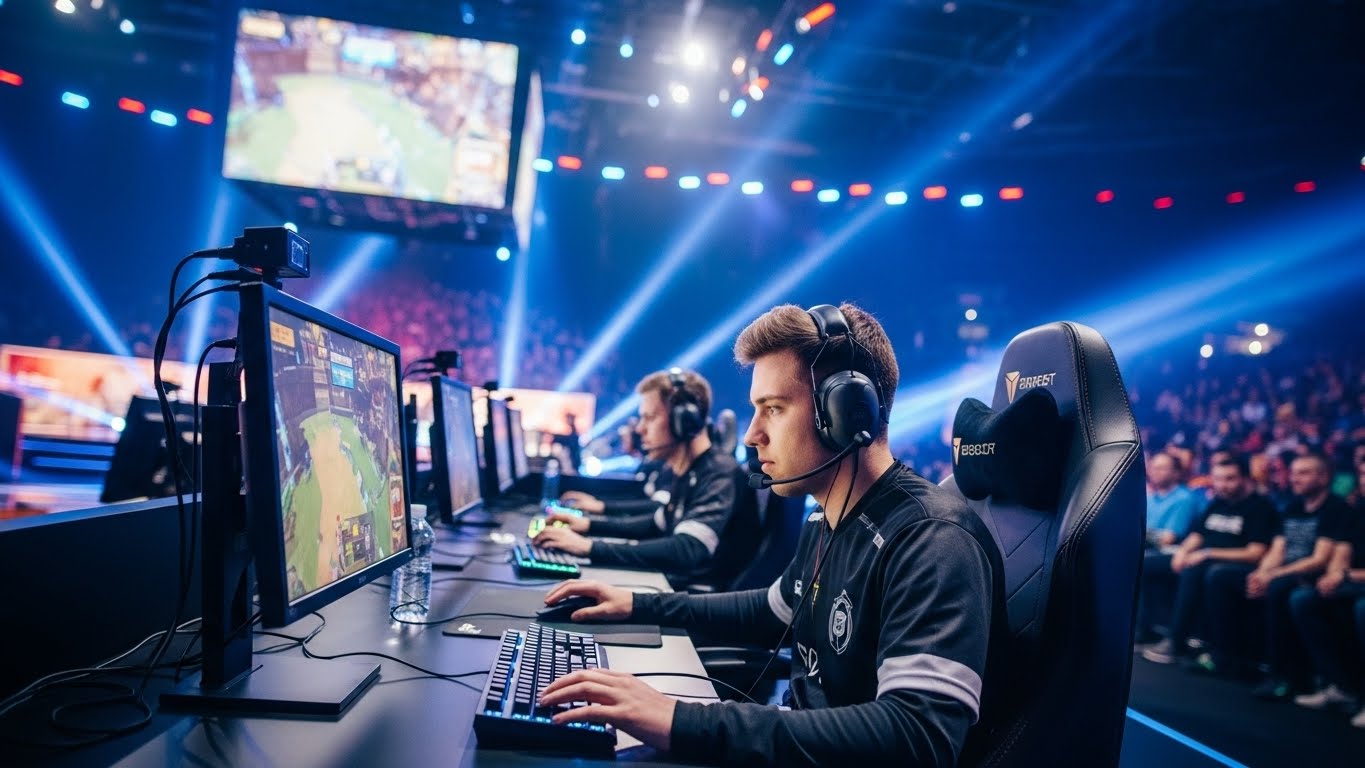
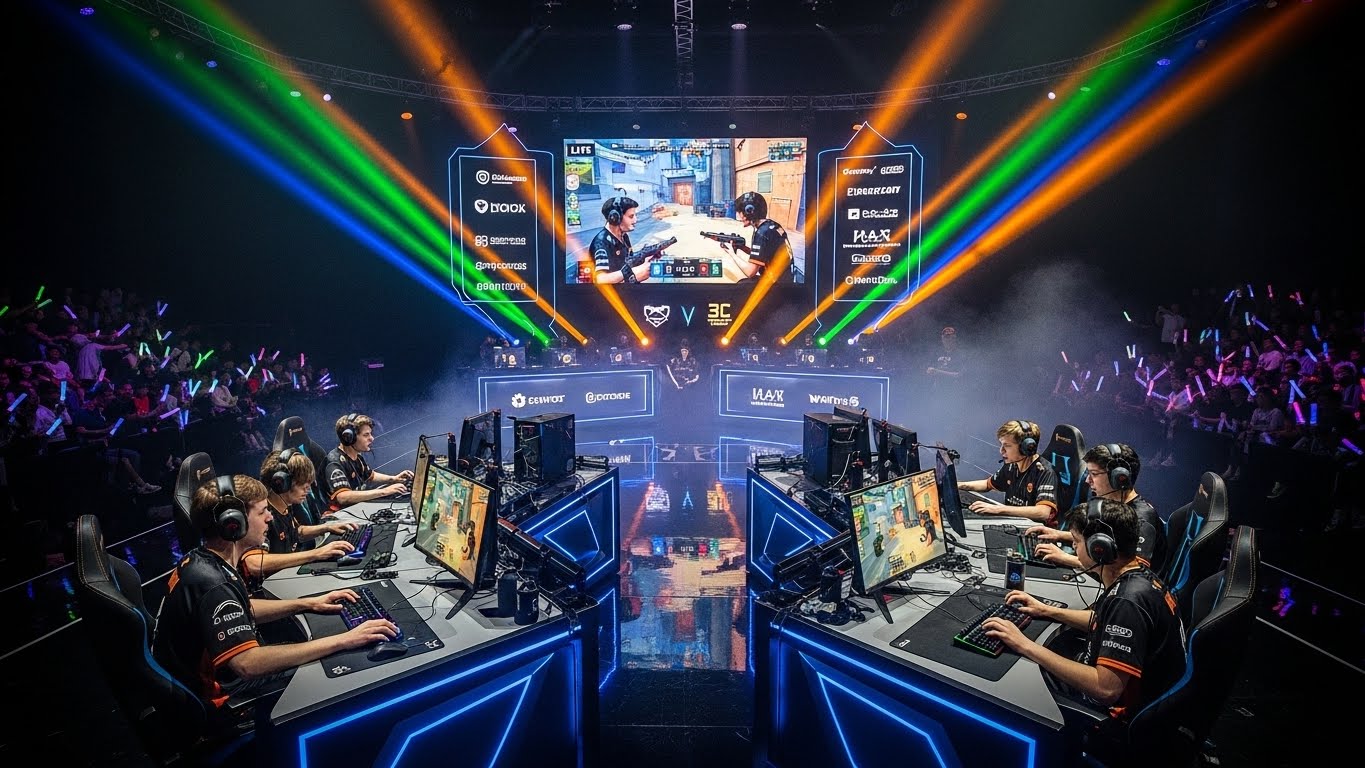
Professional esports players are highly trained competitors who dedicate years to mastering their games. Their daily routines include long practice sessions, strategy discussions, reviewing gameplay footage, and improving communication with teammates. Esports teams operate similarly to traditional sports organizations, employing coaches, analysts, managers, and support staff. Team chemistry plays a crucial role in success, as trust and coordination often determine outcomes in high-pressure matches. The professionalism of esports highlights the discipline and commitment required to compete at the highest level.
Mental Focus and Performance Pressure
Esports demands exceptional mental strength. Players must make rapid decisions, process complex information, and maintain focus for extended periods. Competitive matches often hinge on split-second reactions and precise execution. The pressure of live competition, large audiences, and high expectations can be intense. To manage this, professional players develop mental resilience through structured routines, psychological training, and stress management techniques. These mental skills not only enhance in-game performance but also contribute to personal growth and emotional control.
Physical Health in Competitive Gaming
While esports may not involve traditional athletic movement, physical health remains essential. Long hours of gameplay can strain the body, particularly the hands, wrists, eyes, and posture. Professional players prioritize physical fitness to support endurance and concentration. Regular exercise, stretching, proper nutrition, and ergonomic setups help prevent injury and fatigue. Many teams emphasize balanced lifestyles, recognizing that physical well-being directly influences mental sharpness and consistency during competition.
Esports as a Career Path
Esports has created new career opportunities that extend far beyond playing professionally. Competitive players can earn income through tournament winnings, team salaries, sponsorships, and content creation. However, the industry also offers roles in coaching, event organization, broadcasting, analysis, marketing, and game development. Educational institutions are increasingly recognizing esports, offering programs and scholarships that combine academics with competitive gaming. Esports has proven that digital skills and passion can translate into legitimate and sustainable careers.
Fan Culture and Community Engagement
One of esports’ greatest strengths is its passionate global community. Fans actively support teams and players, engage in discussions, analyze strategies, and celebrate victories together. Live events and online broadcasts create shared experiences that foster loyalty and excitement. Community-driven content such as fan art, commentary, and discussions strengthens the bond between players and audiences. Esports communities transcend borders and cultures, united by a shared love for competition and gaming.
Economic Growth of the Esports Industry
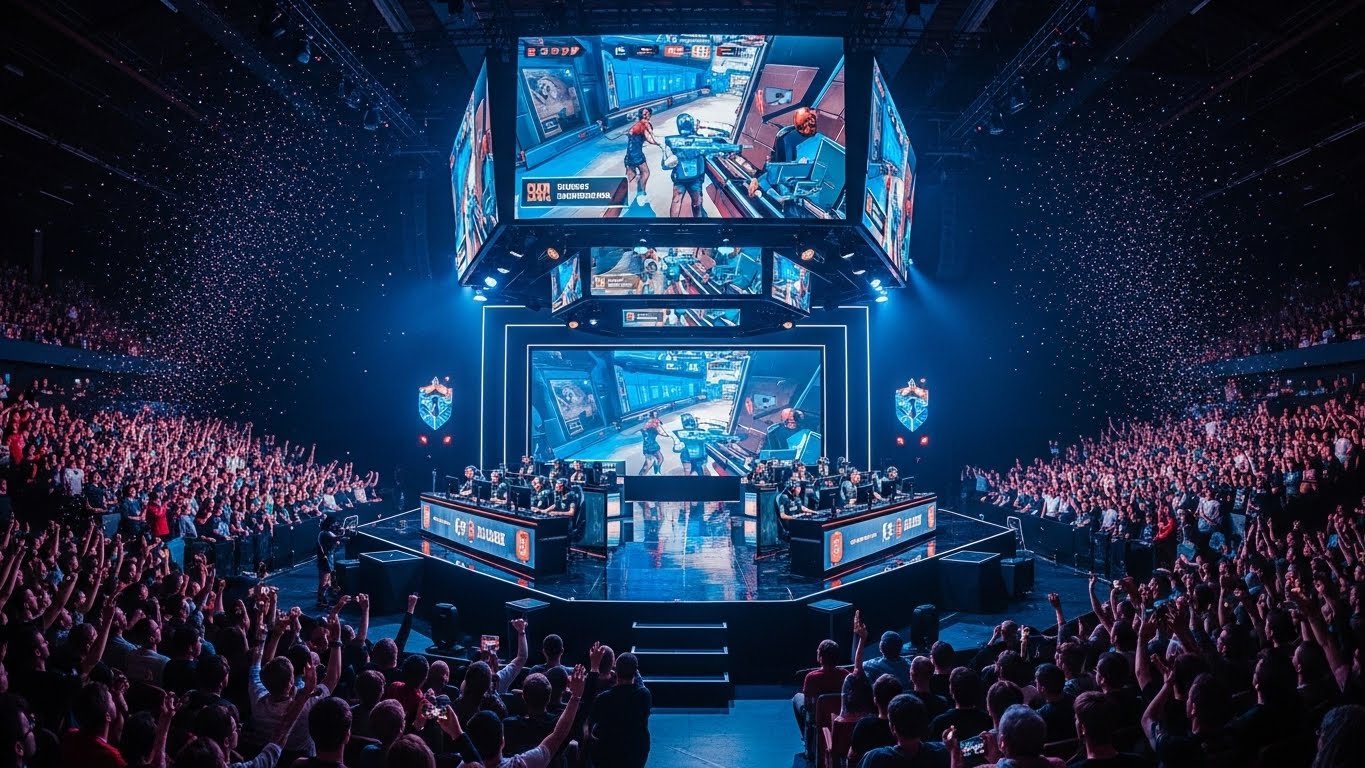
Esports has become a powerful economic force, generating revenue through tournaments, sponsorships, merchandise, and media production. Large-scale events attract millions of viewers and significant investment from major brands. The industry creates employment across multiple sectors, including technology, media, event production, and marketing. Cities that host esports events benefit from increased tourism and global exposure. The economic impact of esports reflects its growing influence within the entertainment and sports industries.
Inclusivity and Cultural Impact
Esports is redefining inclusivity in competition. Players of different backgrounds, genders, and nationalities can compete on equal ground, where skill and dedication matter most. Efforts to promote diversity and accessibility continue to expand, encouraging broader participation. Esports also influences popular culture, shaping language, fashion, and digital trends. By blending technology and creativity, esports reflects modern values and provides a platform for global cultural exchange.
Challenges Facing Esports
Despite its growth, esports faces challenges that must be addressed for long-term sustainability. Player burnout, mental health concerns, and short career spans are common due to the intense competitive environment. Toxic behavior and cheating in online spaces can harm community trust. Additionally, the lack of standardized regulations across games and regions presents organizational challenges. Addressing these issues requires cooperation between developers, teams, organizers, and players to ensure a healthy and ethical competitive ecosystem.
The Role of Technology in Esports Evolution
Technology remains the driving force behind esports’ evolution. Advances in hardware, software, and data analysis continue to improve performance and viewing experiences. Training tools help players analyze gameplay and refine strategies. Broadcast innovations enhance spectator engagement, making matches more immersive and accessible. As technology advances, esports will continue to push the boundaries of digital competition and entertainment.
The Future of Esports Competition
The future of esports holds immense potential. Emerging technologies such as virtual reality, artificial intelligence, and cloud gaming will transform how games are played and experienced. Esports is expected to expand into new regions, develop local talent, and attract even broader audiences. Educational programs and grassroots initiatives will nurture future generations of players and professionals. As esports matures, it will continue to redefine competition, blending innovation with passion.
Conclusion
Esports has evolved into a global phenomenon that represents the future of competitive entertainment. It combines skill, strategy, technology, and community in ways that transcend traditional boundaries. From professional careers and economic growth to cultural influence and personal development, esports impacts millions of lives worldwide. While challenges remain, the industry’s adaptability and creativity ensure its continued growth. Esports is not just about games; it is about competition, connection, and the pursuit of excellence in a digital world.