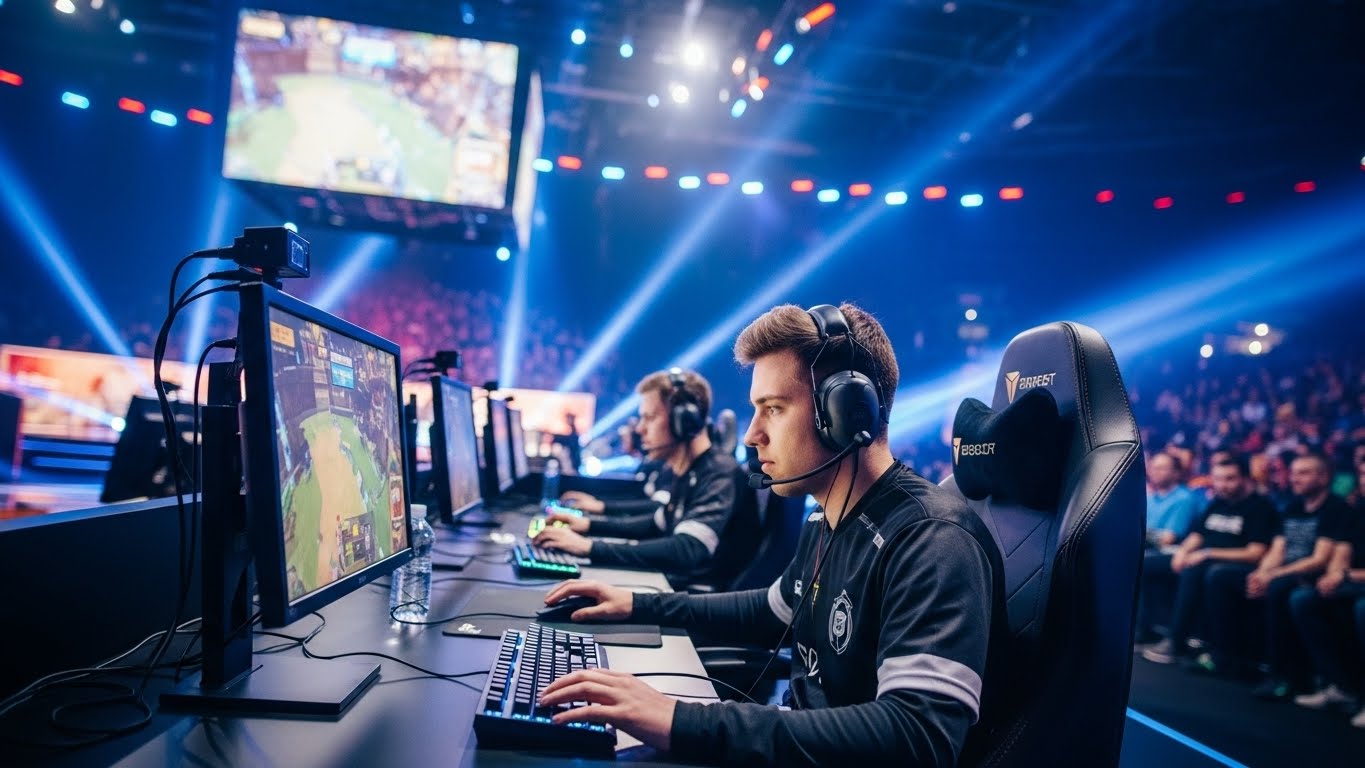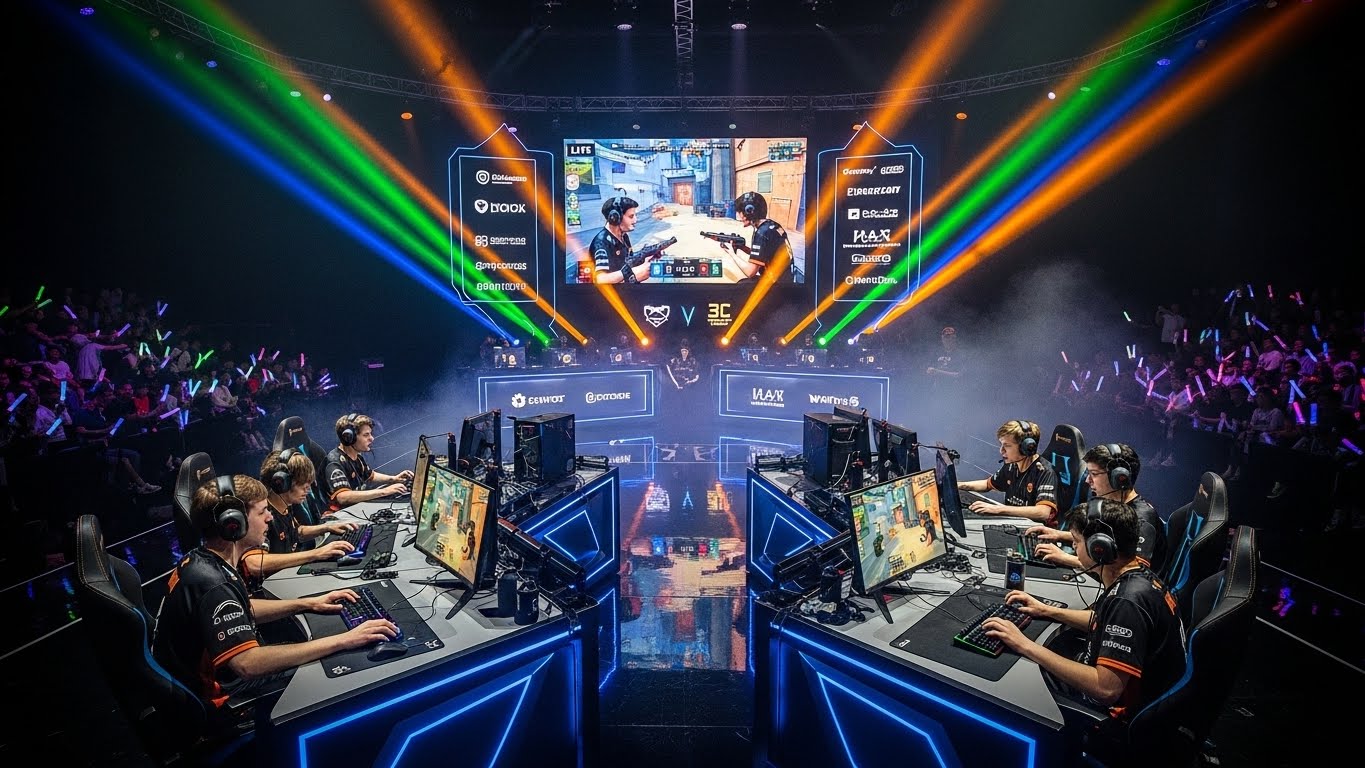
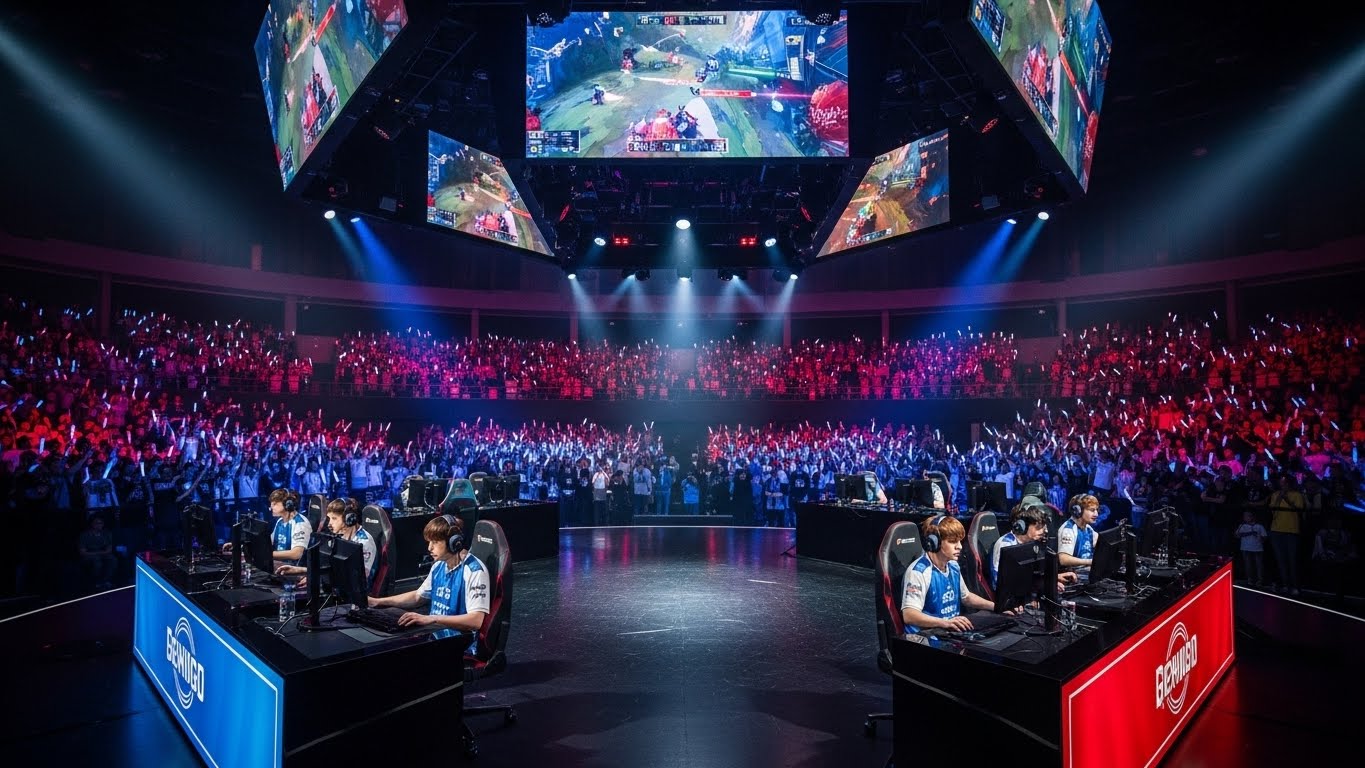
Esports has emerged as one of the most influential forms of competition in the modern world, reshaping how people perceive sports, entertainment, and professional success. What began as casual video game matches among friends has evolved into a billion-dollar industry with global tournaments, professional teams, dedicated fan bases, and life-changing career opportunities. Esports represents the fusion of technology, skill, strategy, and passion, creating a competitive arena that exists beyond physical stadiums. This blog explores the journey of esports, its impact on individuals and society, and the reasons behind its unstoppable rise.
The Birth of Competitive Gaming
The origins of esports can be traced back to the early days of video gaming, when players competed for high scores in arcades and small community events. These early competitions were informal, driven by curiosity and excitement rather than professional ambition. As gaming consoles and personal computers became more accessible, competitive play expanded into homes and local gaming centers. Multiplayer games allowed players to test their skills against one another, planting the seeds for organized competition. Over time, gaming evolved from a solitary activity into a shared experience, setting the foundation for esports as a recognized competitive discipline.
The Evolution into a Global Industry
Esports began its transformation into a global industry with the rise of the internet and online multiplayer gaming. Players were no longer limited by geography, enabling international competition and collaboration. Organized tournaments attracted growing audiences, while professional teams began to form with structured training schedules and sponsorships. Streaming platforms allowed fans to watch live matches, follow their favorite players, and engage with gaming communities in real time. This accessibility fueled esports’ explosive growth, turning competitive gaming into a mainstream form of entertainment enjoyed by millions around the world.
Popular Esports Genres and Games
Esports is not defined by a single game or format but encompasses a wide range of genres that appeal to different types of players and audiences. Multiplayer online battle arena games emphasize teamwork, strategy, and precise coordination. First-person shooters focus on reflexes, accuracy, and tactical awareness. Real-time strategy games reward long-term planning and adaptability, while battle royale titles test survival instincts and situational decision-making. This diversity allows esports to attract players with varying skills and interests, making it an inclusive and dynamic competitive ecosystem.
Professional Players and Team Culture
Professional esports players are elite competitors who dedicate countless hours to mastering their craft. Their training involves more than playing games; it includes studying opponents, refining strategies, improving communication, and maintaining mental focus. Teams often employ coaches, analysts, and support staff to enhance performance and manage player well-being. Team culture plays a vital role in success, as trust, cooperation, and shared goals determine how well players perform under pressure. The discipline required to succeed in esports rivals that of traditional sports, proving that competitive gaming demands serious commitment.
Mental Strength and Cognitive Skills
Esports places significant demands on mental performance. Players must process information quickly, make split-second decisions, and adapt to constantly changing situations. Competitive gaming sharpens problem-solving abilities, hand-eye coordination, memory, and reaction time. Mental resilience is equally important, as players face high expectations, intense competition, and public scrutiny. Learning to manage stress, recover from losses, and maintain confidence is essential for long-term success. These cognitive and psychological skills extend beyond gaming, benefiting players in academic, professional, and personal environments.
Physical Health in Esports
Although esports does not require traditional athletic movement, physical health remains a crucial factor. Long hours of gameplay can lead to fatigue, muscle strain, and posture-related issues if not properly managed. Professional players prioritize ergonomics, regular exercise, stretching routines, and proper nutrition to maintain physical well-being. Many teams emphasize balanced lifestyles, recognizing that physical fitness supports mental clarity and consistent performance. This holistic approach demonstrates that esports athletes must care for both mind and body to compete at the highest level.
Community and Fan Engagement
One of esports’ most powerful aspects is its ability to build communities. Fans connect with players and teams through live broadcasts, online discussions, and shared experiences. These communities transcend geographical and cultural boundaries, bringing together people united by a love for competitive gaming. Fans celebrate victories, analyze matches, and support players through challenges, creating a sense of belonging. Esports events often feel like global gatherings, where passion and enthusiasm create an electric atmosphere that rivals traditional sports fandom.
Economic Impact of Esports
Esports has become a major economic force, generating revenue through tournaments, sponsorships, merchandise, advertising, and media rights. Large-scale competitions offer substantial prize pools, attracting top talent and international attention. The industry also creates employment opportunities for coaches, commentators, event organizers, designers, and technical specialists. Local economies benefit from hosting esports events, while brands gain access to highly engaged audiences. The financial growth of esports highlights its legitimacy as a sustainable and influential industry.
Education and Career Opportunities
Esports has opened new pathways in education and professional development. Schools and universities increasingly recognize esports as a platform for learning and skill-building. Students involved in esports develop teamwork, leadership, communication, and time management skills. Beyond professional play, esports-related careers include game development, event production, broadcasting, marketing, and data analysis. These opportunities demonstrate that esports is not limited to competition but offers diverse career options within the digital economy.
Inclusivity and Cultural Change
Esports is redefining inclusivity in competitive environments. Players from different backgrounds, cultures, and identities can compete on equal ground, where skill and dedication matter most. Efforts to promote diversity and accessibility continue to grow, encouraging participation from underrepresented groups. Esports also challenges outdated stereotypes about gaming, proving that competitive gaming can be productive, social, and empowering. This cultural shift reflects broader changes in how society values digital skills and creativity.
Challenges Facing the Esports Industry
Despite its success, esports faces ongoing challenges. Player burnout, mental health concerns, and career longevity remain critical issues. The fast-paced nature of competitive gaming can place immense pressure on players, requiring better support systems and regulation. Concerns such as cheating, toxic behavior, and inconsistent governance also affect the industry’s reputation. Addressing these challenges is essential to ensure a healthy and sustainable future for esports.
The Future of Esports Competition
The future of esports is filled with potential and innovation. Advances in technology will continue to enhance gameplay, training methods, and spectator experiences. Esports is likely to expand into new regions, reaching broader audiences and nurturing emerging talent. As acceptance grows, esports may become further integrated into mainstream culture, education, and entertainment. The industry’s adaptability and creativity position it as a defining force in the future of competition.
Conclusion
Esports has transformed from a niche pastime into a global movement that redefines what it means to compete. It combines strategy, skill, technology, and community into a powerful form of modern sport. Through professional opportunities, cognitive development, economic growth, and cultural influence, esports continues to shape the digital age. As the industry evolves, it will inspire future generations to pursue excellence in new and innovative ways. Esports is not just a game; it is a reflection of how competition, passion, and connection thrive in a digital world.