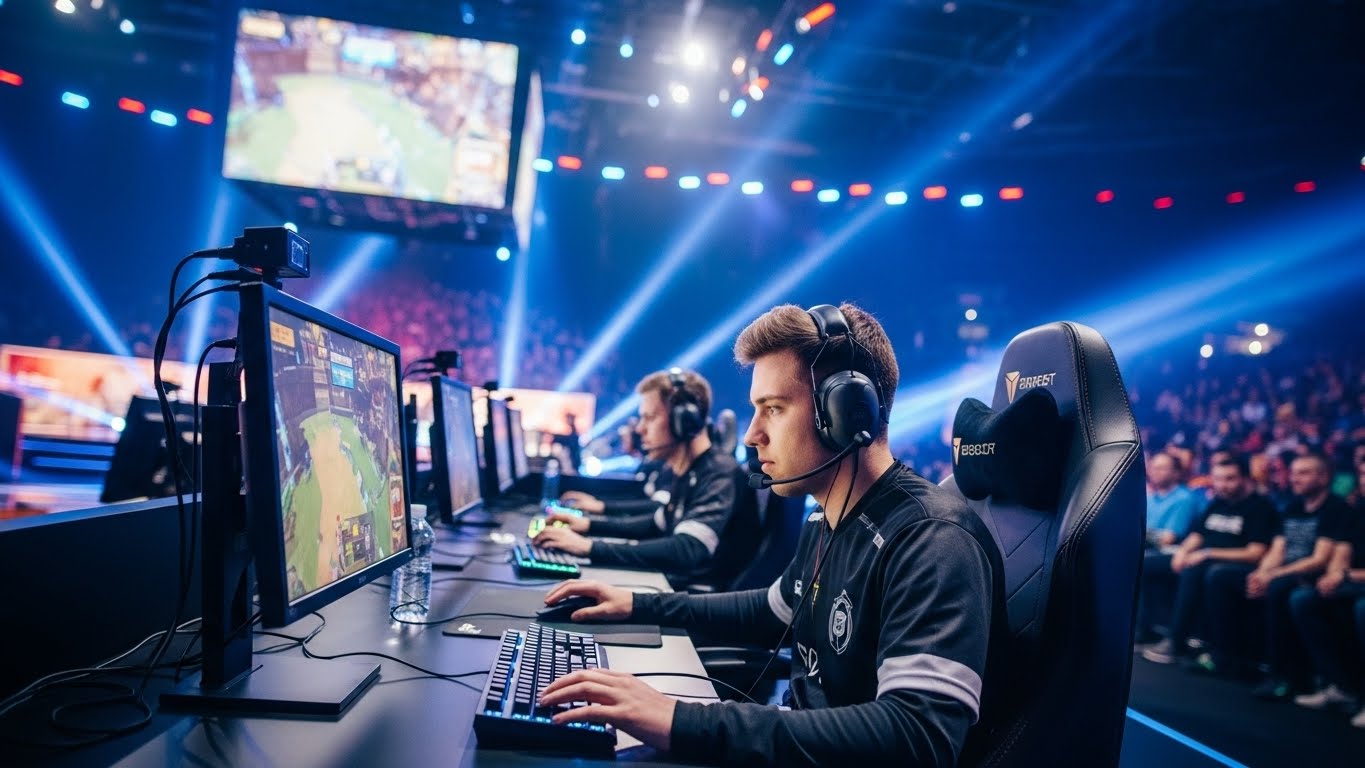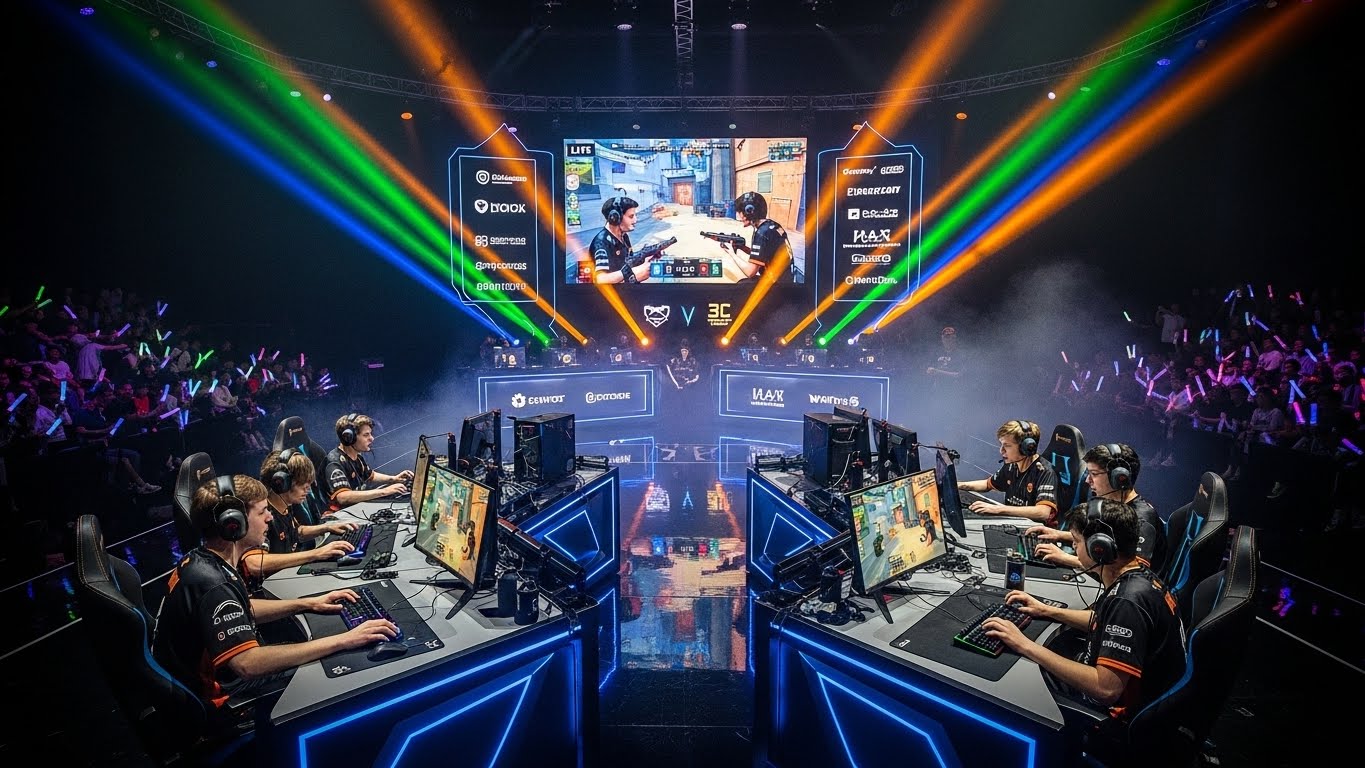
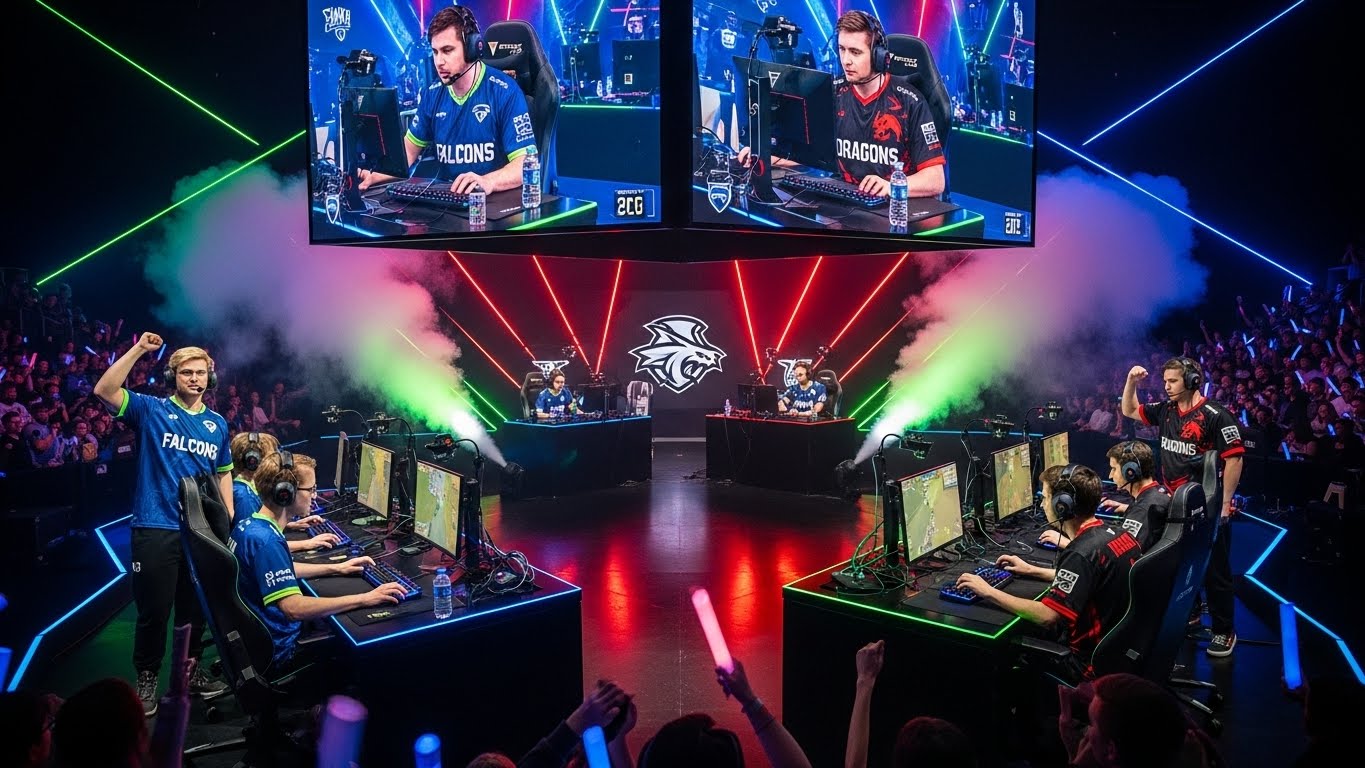
In recent years, esports has evolved from a niche hobby into a global phenomenon that rivals traditional sports in popularity, viewership, and cultural influence. Competitive video gaming has created a new arena where strategy, skill, and teamwork determine success, attracting millions of players and fans worldwide. Esports is not just about playing games; it represents an intersection of technology, entertainment, and professional sports, creating opportunities for players, fans, and businesses alike. This blog explores the rise of esports, its social and economic impact, the role of technology, and how it is shaping the future of competition and entertainment.
The Evolution of Esports
Esports traces its origins to the early days of video gaming when arcade competitions and local tournaments were the primary form of organized competition. Games like Pac-Man, Street Fighter, and StarCraft laid the foundation for competitive gaming, but the lack of connectivity limited participation. With the rise of the internet and online gaming in the late 1990s and early 2000s, esports began to flourish. Multiplayer online games such as Counter-Strike, Warcraft III, and later League of Legends provided a platform for global competition. Streaming platforms and social media have since propelled esports into mainstream culture, allowing fans to watch live matches, follow their favorite players, and engage in online communities. The journey of esports from humble beginnings to a professional industry demonstrates its resilience, adaptability, and immense appeal.
The Competitive Structure of Esports
Esports operates on a complex competitive structure similar to traditional sports. Players participate in local, regional, and international tournaments, competing for recognition, rankings, and substantial prize money. Major esports titles, such as Dota 2, Fortnite, and Valorant, feature structured leagues and championship events that attract millions of viewers. Teams often consist of professional players who train rigorously, sometimes exceeding eight hours a day, to maintain peak performance. Coaches, analysts, and support staff play crucial roles in optimizing strategies, enhancing communication, and ensuring mental and physical well-being. The professionalization of esports has turned gaming into a serious career path, where skill, discipline, and teamwork are rewarded on a global stage.
Esports as a Career
Professional esports players are redefining the concept of career in the 21st century. Top players can earn substantial incomes from tournament winnings, sponsorships, streaming revenue, and brand endorsements. Unlike traditional athletes, esports professionals often start their careers at a younger age, leveraging early experience and online visibility to build their reputation. Beyond players, esports offers career opportunities in coaching, event management, marketing, broadcasting, and content creation. Universities and organizations have even begun offering esports scholarships and programs, highlighting the legitimacy and educational potential of this field. Esports careers require a combination of technical skill, strategic thinking, teamwork, and personal branding, making them both challenging and rewarding.
The Role of Technology in Esports
Technology is the backbone of esports, driving its growth and accessibility. High-performance computers, gaming consoles, and peripherals enable players to compete at the highest level. Fast internet connections and cloud gaming have expanded the reach of esports, allowing global tournaments to run smoothly and ensuring real-time interactions between players and fans. Streaming platforms, such as Twitch and YouTube Gaming, have transformed the way audiences consume esports content, creating interactive experiences with live commentary, chats, and community engagement. Additionally, advanced analytics and performance tracking tools help teams and players refine strategies, optimize reaction times, and analyze opponents’ patterns. Without technological innovation, the esports industry would not have achieved its current scale and influence.
The Psychological and Physical Demands
Contrary to the misconception that gaming is purely recreational, professional esports players face immense psychological and physical challenges. Competitive gaming requires high levels of focus, quick decision-making, and strategic thinking under pressure. Players must maintain consistent performance over extended periods, often managing stress, fatigue, and intense competition. Physical well-being is equally important, as long hours of gameplay can lead to repetitive strain injuries, eye strain, and posture-related problems. To combat these challenges, professional players follow structured training regimens, including physical exercise, mental conditioning, and rest schedules. The mental and physical demands of esports highlight its legitimacy as a serious discipline, requiring dedication, resilience, and professional support.
Esports and Global Communities
One of esports’ most unique features is its ability to create global communities. Fans from different countries and cultures come together to support players, share strategies, and celebrate achievements. Online forums, social media groups, and live streams foster a sense of belonging, where individuals can engage with like-minded enthusiasts regardless of geographical barriers. Esports events also serve as social gatherings, bringing fans together at stadiums, conventions, and viewing parties. This communal aspect of esports is powerful, promoting cultural exchange, collaboration, and shared experiences. In a digital era where isolation can be a concern, esports provides a platform for meaningful social interaction and connection.
Economic Impact of Esports
The economic impact of esports is substantial and continues to grow. Major tournaments offer multi-million-dollar prize pools, attracting sponsorships from global brands, media rights deals, and merchandising opportunities. Esports also drives revenue for streaming platforms, gaming hardware manufacturers, event organizers, and marketing agencies. Cities hosting esports events experience boosts in tourism, hospitality, and local business engagement. The industry’s rapid expansion has created jobs and entrepreneurial opportunities, making esports a significant contributor to the global economy. This financial influence underscores the professional and commercial viability of esports as an entertainment and competitive sector.
Educational and Developmental Benefits
Esports is not solely a professional endeavor; it also provides educational and developmental benefits, particularly for younger players. Participating in esports can enhance cognitive skills such as problem-solving, strategic thinking, memory, and multitasking. Team-based games encourage communication, collaboration, leadership, and conflict resolution. Academic institutions increasingly recognize the value of esports programs in developing digital literacy, technology skills, and career readiness. In addition, esports can inspire interest in related fields such as computer science, game design, and digital media production. For students, esports offers a dynamic way to combine passion with skill development and future career potential.
Breaking Stereotypes and Promoting Inclusivity
Esports has challenged many traditional stereotypes about gaming, particularly the notion that it is a solitary or unproductive activity. The industry is increasingly promoting diversity and inclusivity, welcoming players of different genders, nationalities, and abilities. Women’s leagues and mixed-gender tournaments are gaining prominence, providing opportunities for female players to compete and excel. Adaptive gaming initiatives also ensure accessibility for players with physical or cognitive challenges. By breaking down barriers and expanding participation, esports fosters an environment of equality, representation, and empowerment. This inclusivity reinforces esports’ role as a forward-thinking, socially conscious industry.
Challenges Facing Esports
Despite its rapid growth, esports faces several challenges that could impact its sustainability. The pressure of constant competition can lead to burnout among professional players. Issues such as cheating, toxic behavior in online communities, and lack of standardized regulations remain persistent concerns. Furthermore, achieving widespread recognition comparable to traditional sports requires navigating cultural biases, media representation, and public perception. Ensuring fair compensation, career longevity, and mental health support for players is essential for the long-term success of esports. Addressing these challenges will require collaboration between developers, teams, organizations, and governing bodies to maintain credibility and growth.
The Future of Esports
The future of esports is promising and filled with innovation. Emerging technologies such as virtual reality, augmented reality, and artificial intelligence will transform gameplay, training, and spectator experiences. Esports is likely to continue integrating with mainstream entertainment, including music, movies, and interactive media. Global expansion will bring esports to new audiences, with more localized leagues and events fostering regional talent. Additionally, educational institutions and organizations may continue to develop esports programs, scholarships, and research initiatives, solidifying its role as a legitimate discipline. As the industry matures, esports will not only redefine competition but also redefine how people connect, learn, and entertain themselves in the digital age.
Conclusion
Esports is far more than a form of entertainment; it is a multifaceted phenomenon that blends competition, technology, community, and culture. From the early days of arcade tournaments to massive global events, esports has demonstrated resilience, innovation, and widespread appeal. It provides career opportunities, fosters cognitive and social development, and unites diverse communities across the world. While challenges exist, the potential for growth and positive impact is enormous. Esports represents the future of competitive entertainment, where skill, strategy, and passion converge to create experiences that transcend traditional boundaries. Whether as a player, fan, or industry professional, the world of esports offers opportunities to learn, connect, and thrive in a rapidly evolving digital landscape.