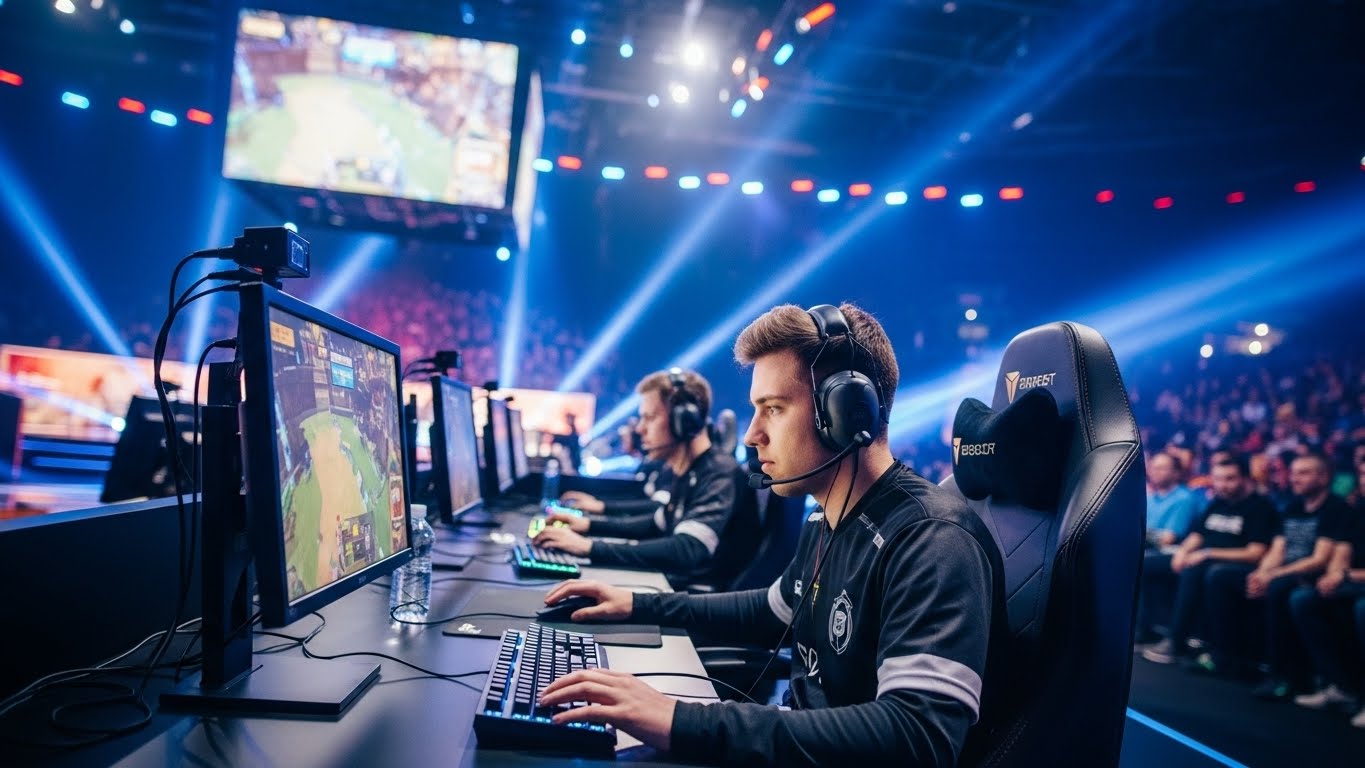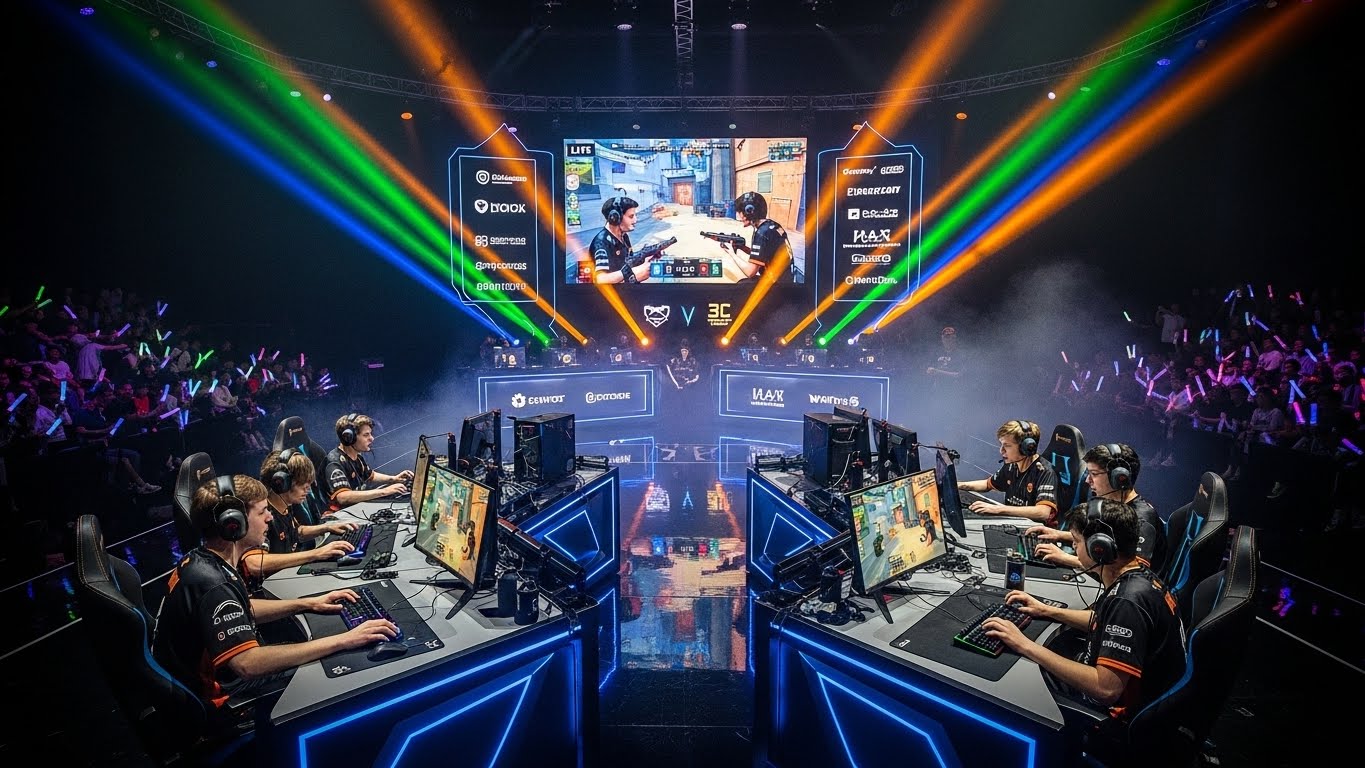
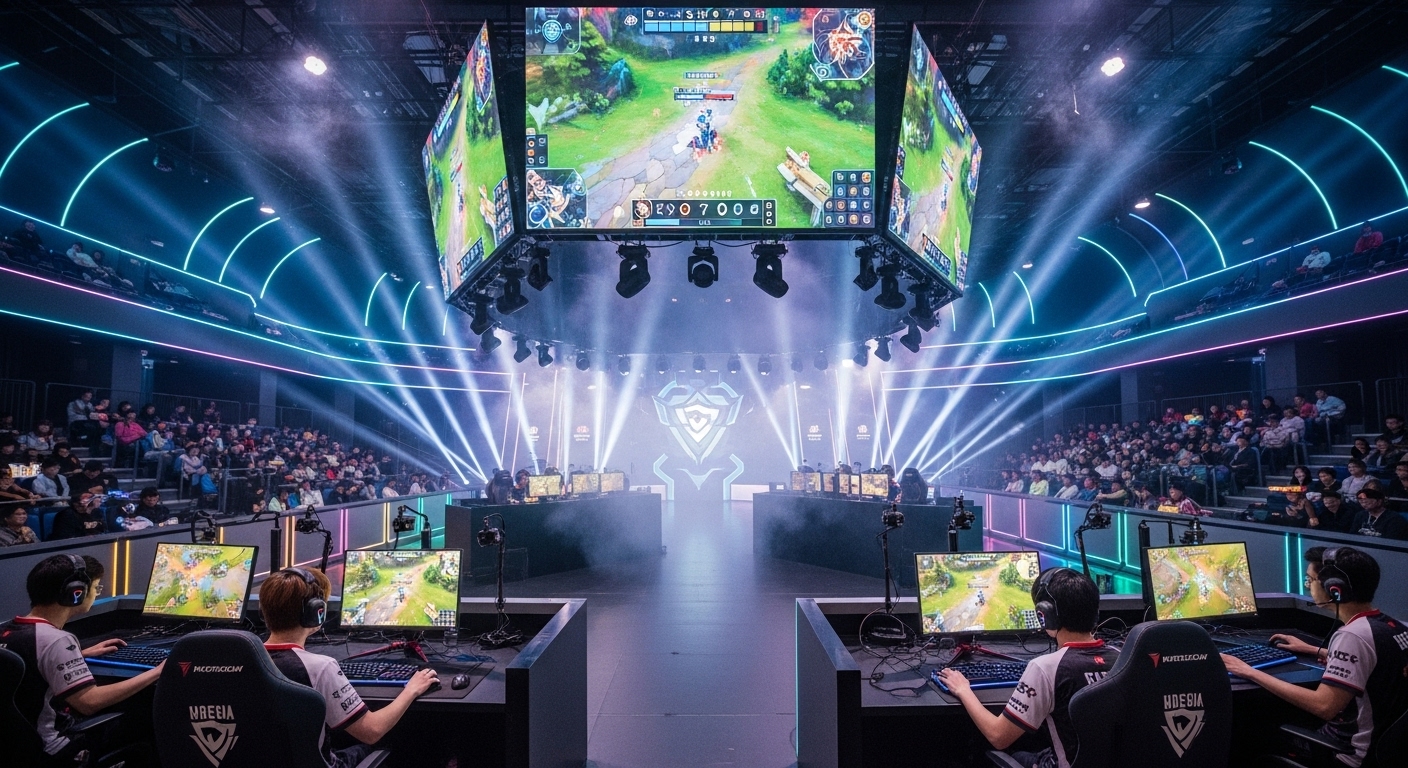
The world of competitive gaming has rapidly evolved from a niche hobby to a global phenomenon, with millions of people watching, playing, and investing in esports. The digital revolution has changed how we perceive sports, entertainment, and even career opportunities. Esports is not just about playing video games; it’s a massive, thriving industry with professional athletes, multinational sponsorships, live streaming platforms, and a global fanbase. This blog will explore the explosive growth of esports, how it has transformed the entertainment landscape, and why it’s a force to be reckoned with in the 21st century.
The Rise of Esports: From Basement Tournaments to Global Arenas
Esports, short for electronic sports, began as a small-scale activity in the late 20th century, primarily in arcades and living rooms. In its infancy, gaming was a solo or local multiplayer experience, often limited to a few friends or local events. However, as the internet expanded and gaming technology improved, competitive gaming began to take shape.
In the early days of the internet, games like Quake, StarCraft, and Warcraft made online multiplayer play possible. The introduction of local area network (LAN) tournaments in the late 1990s further pushed the idea of competitive gaming. These events brought players together to compete for prestige, but with limited reach and smaller audiences.
The real turning point for esports came in the early 2000s with the launch of online tournaments and leagues. One of the earliest examples was the World Cyber Games (WCG), founded in 2000, which allowed players from around the world to compete in a variety of games. Similarly, the Cyberathlete Professional League (CPL), established in 1997, began offering professional-level events with prize pools that attracted players at the top of their game.
These early competitions were groundbreaking but still relatively small compared to what esports would become in the following decades. The rise of streaming platforms, most notably Twitch, and the emergence of games with global appeal, such as League of Legends, Dota 2, and Counter-Strike, would propel esports into the mainstream, setting the stage for the current esports era.
The Role of Streaming in Esports Growth
One of the key factors that helped esports break into the mainstream was the rise of live streaming. In 2011, the launch of Twitch revolutionized how people consumed gaming content. Unlike traditional TV broadcasts, Twitch allowed gamers to stream their gameplay live, enabling viewers to watch real-time tournaments, gameplay, and commentary. The interactive nature of Twitch also gave viewers a chance to engage with players, ask questions, and share their opinions.
By providing a platform for gamers to showcase their skills, Twitch helped create a community around competitive gaming. Soon after, other platforms like YouTube Gaming and Facebook Gaming began to offer similar services, but Twitch’s dominance in the esports world remained largely unchallenged. This shift in how people consumed gaming content played a major role in esports’ growth.
In addition to live streaming, these platforms allowed esports events to reach global audiences, offering fans the ability to watch major tournaments like The International (Dota 2), League of Legends World Championship, and Counter-Strike: Global Offensive (CS:GO) Majors from anywhere in the world. With the click of a button, viewers could access live tournaments, watch in-depth analysis, and engage with fellow fans in real time. This kind of accessibility brought esports from niche communities into the homes of millions of people around the globe.
Professionalization of Esports: Athletes, Teams, and Careers
As esports evolved, it became more than just a hobby. The rise of professional teams and players marked a significant shift in the industry. Competitive gaming turned into a career path for those with exceptional talent, much like traditional sports.
Esports athletes, often referred to as “pro gamers,” are no longer just hobbyists playing for fun. They are highly trained professionals who dedicate countless hours to practice, study strategies, and improve their gameplay. These athletes are often part of esports organizations that manage teams across multiple games, such as Team Liquid, Cloud9, and Fnatic. These teams function like traditional sports franchises, with coaches, analysts, and support staff working to help players reach their potential.
Esports players train rigorously, spending up to 12 hours a day honing their skills, learning new tactics, and competing in various leagues and tournaments. Much like traditional athletes, pro gamers follow a strict training regimen, which includes studying other teams’ strategies, maintaining their mental health, and getting enough rest to avoid burnout.
The rise of esports as a professional career has also led to a dramatic increase in player salaries and earnings. Top players can earn millions of dollars annually through tournament prize pools, team salaries, sponsorships, and streaming revenue. For instance, Johan “N0tail” Sundstein, a Dota 2 player, holds the record for the highest earnings in esports history, having won over $7 million in tournament prizes alone.
Beyond tournament earnings, many players have become influencers in their own right. Platforms like Twitch and YouTube have allowed gamers to grow their personal brands, with many gamers streaming their gameplay for thousands of viewers, generating income through donations, subscriptions, and advertisements. This new breed of “content creators” has opened up new opportunities for those who want to make a career out of gaming, even if they don’t compete professionally.
The Global Appeal of Esports
Esports’ popularity isn’t confined to a single country or region. Unlike traditional sports, which are often heavily influenced by geographical and cultural boundaries, esports has a truly global reach. The ability to play games across borders and the increasing access to high-speed internet have helped esports become a worldwide phenomenon.
Regions like North America, Europe, and Southeast Asia have emerged as major esports hubs. South Korea, in particular, has become the epicenter of esports, with games like StarCraft and League of Legends gaining national attention. The South Korean government and corporate sponsors have heavily invested in the esports ecosystem, from the creation of professional gaming leagues to the building of massive esports arenas.
China is another major player in the global esports scene. The Chinese esports market is one of the largest in the world, and games like Honor of Kings and League of Legends are played by millions of people across the country. In fact, China has become the leading esports market in terms of revenue, surpassing the United States in recent years. The country’s growing esports scene is fueled by a massive gaming population, favorable government policies, and strong corporate backing from companies like Tencent, one of the largest game publishers in the world.
Esports is also thriving in regions like Latin America and the Middle East, where growing internet penetration and gaming culture are contributing to the rise of local esports scenes. From Brazil to the United Arab Emirates, esports events are becoming increasingly popular, attracting new fans and players to the competitive gaming world.
The Impact of Sponsorships and Corporate Investment
The financial backing of large corporations has been crucial to the growth of esports. Global brands like Coca-Cola, Intel, Red Bull, and Nike have recognized the value of associating with esports and have invested millions into teams, tournaments, and events. These partnerships provide much-needed funding to organizations, ensuring that esports events can grow in scale and professionalism.
Sponsorships also help elevate esports to the same level as traditional sports in terms of production quality and media coverage. Large tournaments, such as the League of Legends World Championship and The International, now feature multi-million-dollar prize pools, which attract the best players from around the world. These high-stakes events are broadcast globally, often with live commentary, and are covered by mainstream media outlets, further solidifying esports’ place in the entertainment landscape.
In addition to traditional corporate sponsors, esports has seen an influx of venture capital and investment from tech companies, including cloud computing giants like Amazon (which owns Twitch), telecommunications companies, and media conglomerates. This financial backing is crucial for building infrastructure, organizing tournaments, and expanding the global reach of esports.
The Future of Esports: What’s Next?
The future of esports looks incredibly promising, with new opportunities emerging on a regular basis. The rapid advancements in gaming technology, including the rise of virtual reality (VR) and augmented reality (AR), have the potential to further revolutionize the esports landscape. As VR technology becomes more accessible and affordable, we may see the development of entirely new forms of competitive gaming, creating even more immersive and engaging experiences for players and fans alike.
Additionally, mobile gaming is expected to become an even more significant force in the esports world. With the rise of games like PUBG Mobile and Free Fire, mobile esports has already gained a massive following, particularly in developing countries. As smartphones become more powerful and mobile data networks improve, mobile esports will continue to expand, providing a new arena for players and fans.
Esports will also continue to attract new fanbases, particularly as younger generations increasingly turn to gaming for entertainment. As esports becomes more integrated into mainstream media, including television networks, streaming services, and even schools and universities, the industry will see even more growth and development.
Conclusion
Esports is no longer just a hobby; it’s a global industry that has transformed the way we think about competitive gaming, entertainment, and professional careers. From its humble beginnings to its status as a multi-billion-dollar phenomenon, esports has proven that it is here to stay. With its massive fanbase, growing sponsorships, and rapidly expanding global reach, esports is set to continue its meteoric rise, making a lasting impact on the world of entertainment for years to come. As technology advances and new gaming opportunities emerge, we can only imagine what the future holds for this exciting and dynamic industry.