Introduction
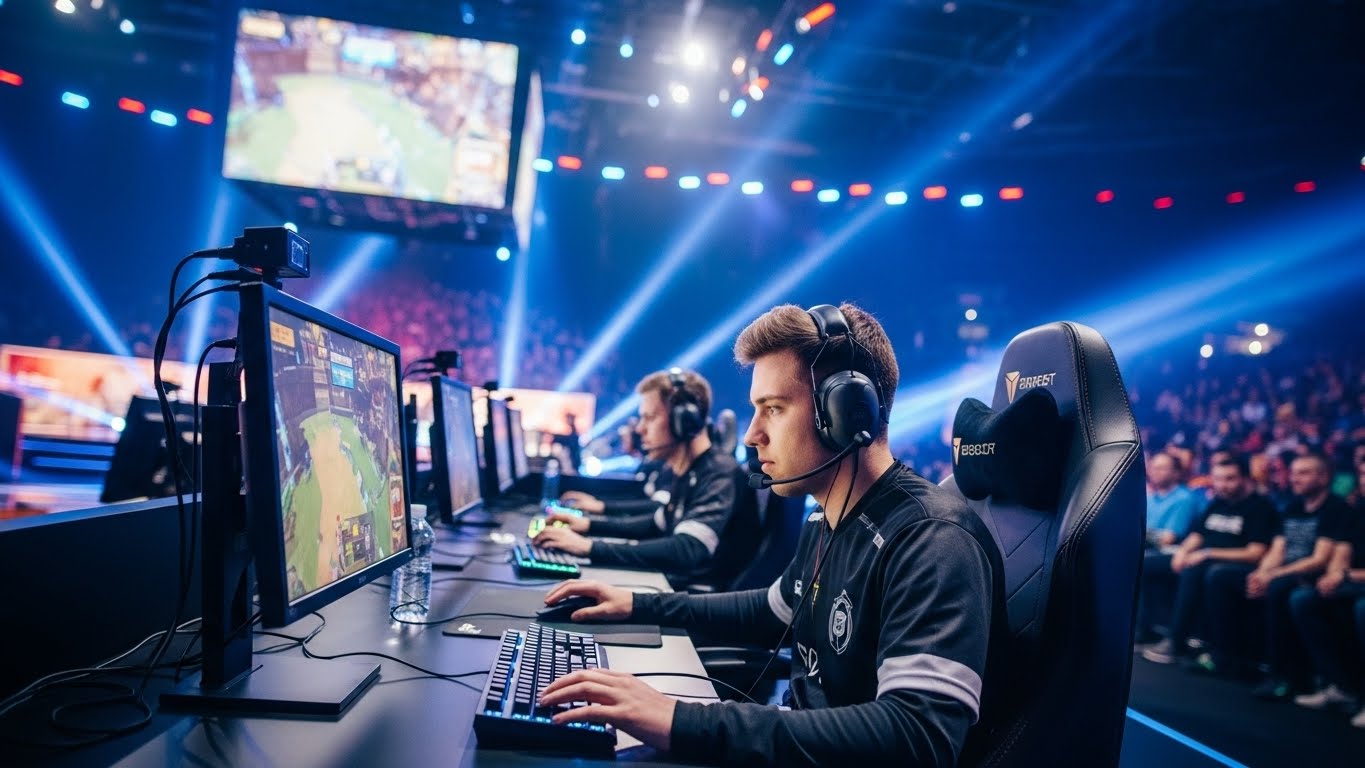
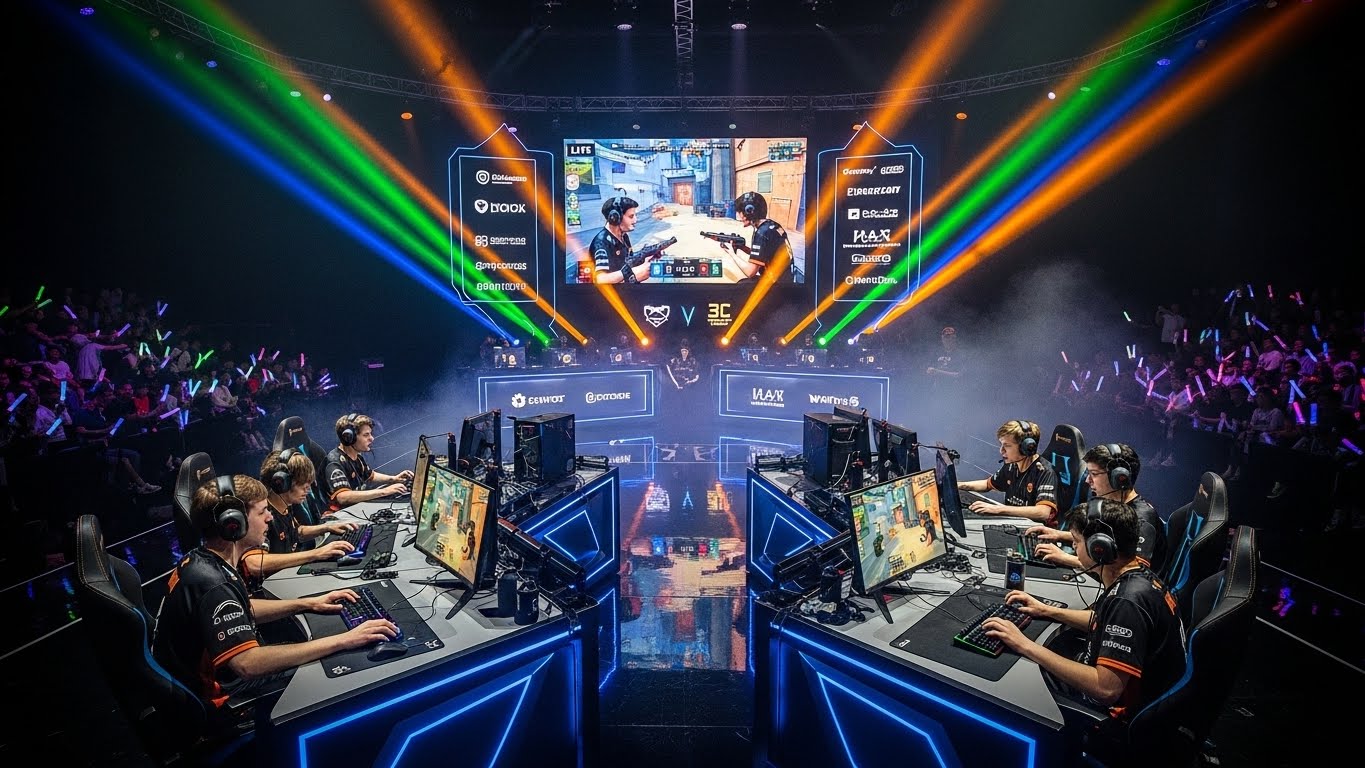
Esports, short for electronic sports, has evolved from a niche hobby into a multi-billion-dollar industry with global influence. What began as casual competitive gaming among friends has transformed into professional leagues, massive tournaments, and celebrity gamers with millions of fans. Today, esports is not just entertainment; it is a cultural phenomenon, an educational tool, and a legitimate career path. The industry’s rapid growth is reshaping the way people perceive gaming, challenging traditional sports, and redefining competition in the digital era.
This blog explores the world of esports in depth, examining its history, development, impact, and future. From competitive gameplay and team dynamics to technological advancements and social influence, esports has become a defining aspect of modern culture.
The Origins of Esports
The roots of esports can be traced back to the early days of video gaming. In the 1970s and 1980s, arcades became popular venues for competitive play, where high scores and tournaments fostered early forms of rivalry. Classic games such as Space Invaders, Pac-Man, and Street Fighter introduced the concept of competitive gaming.
By the 1990s, competitive gaming shifted to personal computers and consoles, creating opportunities for online competition. Games like StarCraft in South Korea helped establish professional esports leagues, with players gaining recognition and sponsorships. The development of broadband internet enabled multiplayer online battles, allowing players to compete globally.
Esports’ early history was characterized by grassroots communities, local tournaments, and online forums, laying the foundation for today’s professional industry.
The Rise of Competitive Gaming
Competitive gaming grew exponentially in the 2000s with the release of multiplayer online battle arena (MOBA) games and first-person shooters (FPS). Titles like Counter-Strike, Dota, and League of Legends created structured competitive ecosystems. These games required teamwork, strategy, and skill, elevating casual play into professional-level competition.
Tournament platforms and gaming conventions began hosting organized events with cash prizes, attracting sponsors and media coverage. Streaming platforms, particularly YouTube and Twitch, revolutionized how audiences consumed esports content, enabling fans to watch live gameplay and follow professional players.
This period marked the transition from gaming as a hobby to esports as a professional pursuit. Players could now train full-time, join teams, and participate in leagues with global recognition.
Esports Genres and Popular Titles
Esports encompasses a wide range of game genres, each with unique mechanics, competitive strategies, and fan bases.
First-Person Shooters (FPS)
FPS games emphasize precision, reflexes, and tactical decision-making. Popular titles include Counter-Strike: Global Offensive, Call of Duty, and Overwatch. These games demand communication, coordination, and split-second reactions, making them staples in esports competitions.
Multiplayer Online Battle Arenas (MOBA)
MOBAs such as League of Legends and Dota 2 combine strategy, teamwork, and quick thinking. Players control individual characters with unique abilities while coordinating with teammates to destroy the opponent’s base. MOBAs are highly strategic, with professional matches often lasting over an hour and requiring detailed preparation.
Battle Royale
Battle royale games like Fortnite and PUBG feature large-scale survival gameplay, where players compete to be the last one standing. These games emphasize adaptability, resource management, and decision-making under pressure. Their fast-paced nature and high entertainment value have contributed to their massive popularity.
Sports Simulation
Games such as FIFA and NBA 2K replicate real-world sports, allowing players to compete virtually. Professional leagues have emerged for these titles, mirroring traditional sports with structured tournaments, rankings, and fan followings.
Fighting Games
Fighting games like Street Fighter and Tekken focus on one-on-one combat and skillful execution of combos. Competitive play in these games emphasizes reflexes, timing, and psychological strategy, often culminating in intense tournament matches.
Training and Preparation in Esports
Professional esports players treat gaming as a full-time career. Their training routines mirror those of traditional athletes, combining technical skill development, physical fitness, and mental conditioning.
Skill Development
Players practice game mechanics, map knowledge, and character strategies to improve reaction time, accuracy, and decision-making. Continuous practice and analysis of gameplay footage are essential for maintaining competitive edge.
Team Dynamics
Team-based games require synchronization and communication. Players must develop strategies, assign roles, and build trust with teammates. Regular team scrims and practice sessions are vital for success in tournaments.
Physical Fitness
Despite being a digital activity, esports places significant physical demands on players. Hand-eye coordination, reaction speed, and endurance require regular exercise. Many professional teams employ physical trainers to ensure players remain in peak condition.
Mental Conditioning
Esports is mentally demanding. Players must handle high-pressure situations, maintain focus for extended periods, and recover from setbacks. Mental coaching, meditation, and stress management techniques are increasingly integrated into professional training.
The Economics of Esports
Esports has grown into a lucrative industry, attracting investment from sponsors, advertisers, and media companies. The ecosystem includes tournament organizers, game developers, streaming platforms, and professional teams.
Revenue Streams
Revenue in esports comes from multiple sources:
- Sponsorships and Endorsements: Brands partner with teams and players for marketing opportunities.
- Prize Pools: Major tournaments offer substantial cash prizes, sometimes exceeding millions of dollars.
- Media Rights: Streaming platforms pay for exclusive broadcasting rights to tournaments and leagues.
- Merchandising and In-Game Purchases: Teams and games generate income through branded merchandise and virtual items.
Player Salaries
Top esports players can earn significant salaries, supplemented by tournament winnings and sponsorship deals. Elite players often become celebrities, with fan bases rivaling traditional sports stars.
Global Market Growth
The esports market continues to expand, with millions of viewers worldwide. Investment in infrastructure, marketing, and professional leagues has created a sustainable ecosystem that supports long-term growth.
The Social and Cultural Impact of Esports
Esports has influenced popular culture, media, and social interaction. It provides a platform for community engagement, fan interaction, and creative expression.
Community and Streaming
Platforms like Twitch and YouTube Gaming have enabled fans to connect with players, follow tournaments, and engage in discussions. The social aspect of esports fosters a sense of belonging and shared enthusiasm.
Education and Career Opportunities
Esports is increasingly integrated into education, with schools and universities offering programs in game design, digital marketing, and competitive gaming. Scholarships and professional pathways are now available for talented players.
Representation and Diversity
Esports provides opportunities for individuals from diverse backgrounds to participate at competitive levels. Gender, nationality, and socioeconomic barriers are lower than in many traditional sports, making esports a more inclusive environment.
The Role of Technology in Esports
Technological advancements have been crucial to the growth of esports. High-speed internet, powerful gaming hardware, and sophisticated software platforms have enabled seamless online competition and global connectivity.
Streaming Technology
Live streaming allows audiences to watch matches in real time, creating interactive experiences with chat, polls, and commentary. This technology has transformed esports into a spectator sport with millions of viewers worldwide.
Game Analytics
Advanced analytics provide players with insights into performance, strategies, and opponent behavior. Data-driven decision-making enhances competitive play and training efficiency.
Virtual Reality and AR
Virtual and augmented reality technologies are beginning to influence esports, creating immersive experiences and new gameplay formats. VR esports tournaments are emerging, offering unique challenges and engagement opportunities.
Challenges in Esports
Despite its growth, esports faces challenges that must be addressed to ensure sustainable development.
Player Health and Burnout
Long hours of intense gaming can lead to physical and mental strain. Issues such as eye strain, repetitive stress injuries, and mental fatigue are common among professional players. Support systems and regulated training schedules are essential for player well-being.
Regulation and Governance
Esports lacks a unified regulatory body. Different leagues and game developers set varying rules, creating inconsistencies in competition and player rights. Standardized governance could enhance fairness, integrity, and accountability.
Cheating and Fair Play
The digital nature of esports makes it vulnerable to cheating, hacking, and manipulation. Anti-cheat software, monitoring systems, and strict enforcement of rules are critical to maintaining competitive integrity.
The Future of Esports
Esports is poised for continued growth and innovation. Emerging trends suggest a future where esports is even more integrated into mainstream culture and technology.
Global Expansion
Esports is expanding into new regions, attracting audiences in Asia, Europe, North America, and South America. Local tournaments and international leagues create opportunities for players and fans worldwide.
Integration with Traditional Sports
Professional sports organizations are investing in esports, bridging the gap between digital and physical competition. This integration provides new revenue streams and exposure for both industries.
Technological Innovation
The rise of artificial intelligence, cloud gaming, and virtual reality will create new gameplay formats, enhance spectator experiences, and optimize player performance.
Educational and Career Opportunities
As esports becomes more structured, it will offer legitimate career paths in coaching, analysis, broadcasting, and game development. Universities are increasingly recognizing esports as a professional discipline.
Conclusion
Esports has evolved from casual gaming into a global phenomenon that influences entertainment, culture, and professional sports. Its growth is driven by technological innovation, community engagement, and competitive excellence. The industry offers opportunities for players, fans, and professionals alike, creating a dynamic ecosystem that blends skill, strategy, and entertainment.
From its origins in arcades to international tournaments with massive prize pools, esports demonstrates the power of digital competition and the appeal of interactive entertainment. It challenges traditional perceptions of sports, fosters critical thinking and teamwork, and provides avenues for personal and professional growth.
As technology continues to advance and the community expands, esports will solidify its place as a cornerstone of global entertainment. It is more than a game—it is a cultural revolution, a professional pursuit, and a testament to the enduring human desire to compete, innovate, and connect.